Why Guillermo del Toro's Frankenstein Deserves the Best Picture Oscar
Guillermo del Toro has dedicated his career to humanising monsters, famously describing them as the patron saints of our blissful imperfection. His adaptation of Mary Shelley's Frankenstein represents a perfect alignment of his artistic vision, transforming the classic novel into a poignant exploration of generational trauma, parental abandonment, and the redemptive power of forgiveness. This meticulously crafted, visually sumptuous film is a powerful narrative that merits the highest accolade at the Academy Awards.
Overcoming Genre Biases at the Oscars
However, the path to Oscar success is fraught with challenges. Del Toro's gothic fantasy seamlessly blends horror, science fiction, and melodrama in an opulent retelling, featuring Oscar Isaac as the eccentric scientist Victor and Jacob Elordi as the Creature assembled from deceased body parts. Historically, fantasy, horror, and sci-fi genres have struggled to secure major wins at the Academy Awards, often relegated to technical categories. While del Toro broke this trend in 2018 by winning Best Picture for The Shape of Water, that victory remains an exception rather than the rule, underscoring the uphill battle Frankenstein faces.
A Macabre Marvel with Emotional Depth
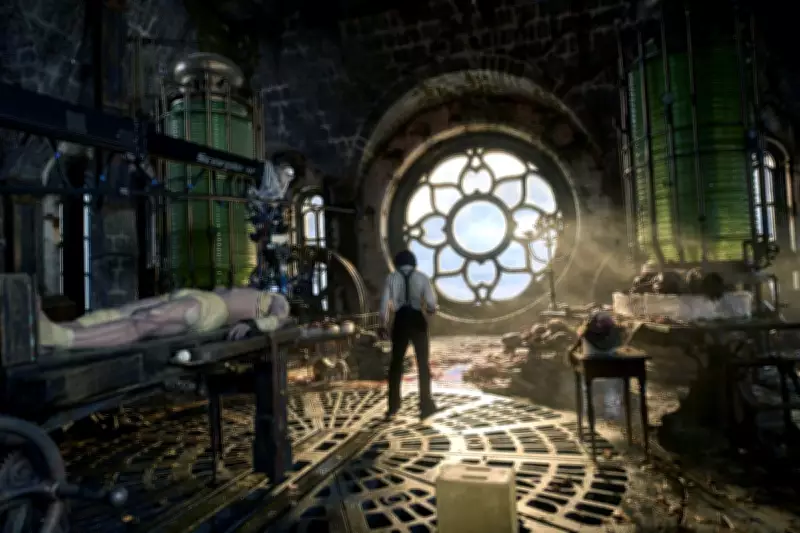
Del Toro's adaptation is a macabre marvel to behold, with shadowy rooms in grand, decaying buildings illuminated by flickering candles or a perpetual golden sunset, filled with grisly, dismembered corpses. Elordi, who endured up to ten hours daily in makeup, portrays a Creature that resembles a brooding cadaver rather than a grotesque ogre. Mia Goth shines as Elizabeth, Victor's kind-hearted fiancée, whose resplendent insect-inspired dresses—potentially Oscar-worthy for costume designer Kate Hawley—provide rare splashes of colour in a drab, rainswept landscape.

The film delves into the perils of toxic masculinity, illustrating how abused boys evolve into hurt men who perpetuate suffering, as Victor's rampant ego leads to widespread doom. The Creature, morally ambiguous in Shelley's original, emerges as a deeply sympathetic figure here. Elordi infuses the role with tenderness and compassion, depicting a being desperate for love from its creator. The true monster, the narrative suggests, is generational abuse that devastates families and corrupts relationships, making Frankenstein's message about reconnecting with fractured families profoundly timely.
Oscar Prospects and Historical Precedents
Elordi's nomination for Best Supporting Actor is well-deserved, capturing the conflicting emotions of a rejected child torn between innocent yearning and furious anger. Oscar Isaac delivers a sweaty, intense performance as the vain Victor, while Mia Goth's luminous Elizabeth is tragically entranced by the Creature's gentle nature. Despite these strengths, Frankenstein remains an outsider for Best Picture, akin to its protagonist forced to fend alone.
Del Toro boasts an impressive Oscar track record, with wins for Best Picture and Best Director for The Shape of Water and Best Animated Feature for Pinocchio in 2023. Yet, the Academy's relationship with him has cooled slightly; although Frankenstein received nine nominations this year, a Best Director nod was conspicuously absent, a significant snub. Historically, only six films have won Best Picture without a Best Director nomination, including Wings, Grand Hotel, and Green Book. While odds are stacked against it, Frankenstein could become the seventh, showcasing del Toro's unique ability to reinterpret beloved tales with flair and empathy.
The Magic of Cinema at Its Finest
No filmmaker captures cinematic magic quite like Guillermo del Toro, whose fervid imagination leaves audiences breathless with admiration. Frankenstein represents the director at his peak—a handsome, thrilling adaptation that breathes new life and meaning into a classic story while stirring hearts. Although del Toro already possesses a collection of golden statuettes, another for Frankenstein would be a fitting addition, celebrating a masterpiece that transcends genre boundaries and resonates deeply with contemporary themes.