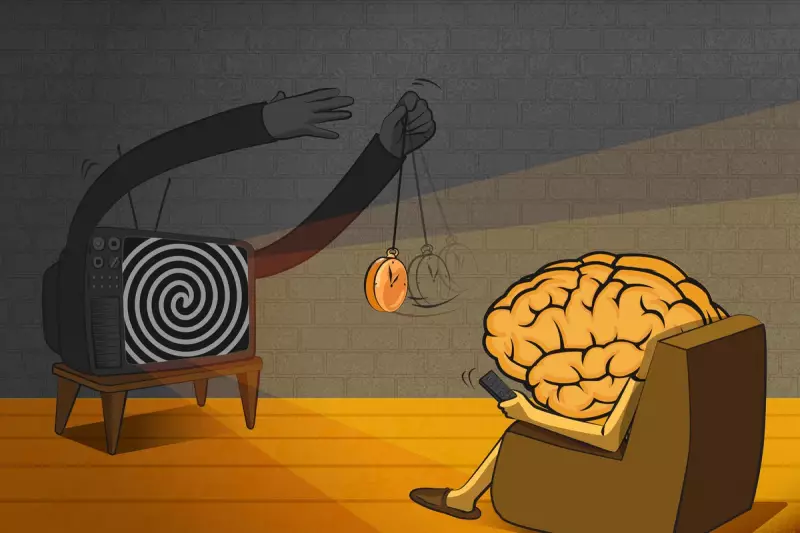
TV's Intelligence Decline: How Second-Screen Viewing Is Dumbing Down Television
Is television becoming progressively less intelligent? In today's entertainment landscape, plummeting attention spans and distracted viewers are increasingly being treated not as challenges to overcome but as market opportunities to exploit. This troubling shift represents a fundamental change in how content is created and consumed.
The Second-Screen Phenomenon
Last week, Hollywood stars Ben Affleck and Matt Damon, while promoting their new Netflix film The Rip, appeared to confirm long-standing rumours about streaming platform production practices. They revealed that creators are explicitly advised to accommodate so-called "second-screen viewers" – those who treat television as background entertainment while their primary focus remains on smartphones, social media, or other digital distractions.
Damon humorously recounted that Netflix had suggested: "It wouldn't be terrible if you reiterated the plot three or four times in the dialogue because people are on their phones while they're watching." He added, with evident concern: "It's really going to start to infringe on telling stories." This admission highlights a growing tension between artistic integrity and commercial considerations in the streaming era.

Visible Consequences in Popular Programming
This strategic approach to content creation is hardly a secret revelation. Even without insider knowledge, the effects are frequently apparent in the final products. Viewers can detect this influence in some of streaming's most popular series, including Wednesday, Stranger Things, and recent adaptations like Harlan Coben's Run Away.
While not every instance of repetitive dialogue or clumsy exposition stems from deliberate corporate strategy, consistent patterns emerge across numerous streaming offerings. The problem appears particularly pronounced in television compared to film, where established directors often retain greater creative control over their projects.
The Disengaged Viewer Problem
The fundamental issue lies with audiences who actually wish to engage deeply with programming – whether for artistic appreciation or pure escapism. For these viewers, unnecessary repetition creates dull, condescending experiences that undermine television's potential as a sophisticated storytelling medium.
Historically, television has always accommodated passive viewing to some extent. Before streaming and DVD box sets, programmes had to account for viewers tuning in late or distracted by advertising breaks. However, the best classic shows managed these requirements with elegance and artistry. Consider The Simpsons episode where Homer explicitly recaps the plot after commercials, only for Bart to remark: "What an odd thing to say." This self-aware humour transformed a necessary convention into creative commentary.
Broader Creative Regression
Television's intellectual decline extends beyond repetitive storytelling. As an art form, television appears to be regressing on multiple fronts. Recent social media discussions about The Wire's legacy highlight this concern. Despite universal critical acclaim, David Simon's sophisticated crime drama has surprisingly influenced few subsequent programmes.
While The Wire used television's expansive canvas to push narrative boundaries, contemporary shows rarely attempt similar innovation. Even acclaimed recent series like Succession, while tremendously smart and well-executed, demonstrate more straightforward storytelling compared to the complex narrative structures of television's "golden age" programmes like The Sopranos, Deadwood, or Mad Men.
The Memeification of Television
Modern television faces additional pressures from social media's influence. Programmes must now be "meme-able" above all else. While Succession's Shiv Roy represents a fascinating, nuanced character, discussions frequently reduce her to fashion moments. Similarly, Tom and Greg's complex power dynamic often becomes simplified into homoerotic supercuts rather than serious analysis of class and authority.

This represents a significant shift from earlier television eras. Even supposedly simple sitcoms like Cheers regularly referenced foreign filmmakers, classical musicians, and literary figures, assuming a level of cultural knowledge rarely expected from contemporary audiences.
Cultural Fragmentation and Accessibility
To some extent, television's changing nature reflects broader cultural shifts. As shared cultural references have fragmented across digital platforms, creators lack common touchstones beyond contemporary pop culture. However, this only partially explains television's declining intellectual ambition.
Not every Cheers viewer would have recognised references to Gustav Mahler or Ingmar Bergman, yet writers included them regardless. Today, television prioritises accessibility above all else, with creators determined that no viewer should feel excluded – whether due to smartphone distraction or cultural knowledge gaps.
Exceptions to the Rule
Despite these concerning trends, exceptions continue to emerge. During their podcast interview, Affleck and Damon highlighted Netflix's Adolescence as proof that uncompromised television still exists. Recent years have produced several intelligent, original programmes designed for attentive viewing, including Pluribus and The Chair Company.
These programmes demonstrate that quality television can still find substantial audiences without capitulating to streaming's baser instincts. While they may represent exceptions rather than the rule, their existence offers hope for television's future.
The Path Forward
Ultimately, creating television primarily for disengaged viewers offers no sustainable long-term benefits. As an art form, television possesses tremendous potential for sophistication and innovation that current market pressures often undermine. The entertainment industry must recognise that quality programming and commercial success need not be mutually exclusive.
Television doesn't need to become increasingly simplistic to survive – and those controlling its future would be wise to remember that engaged audiences represent television's most valuable asset. The medium's intelligence need not be sacrificed at the altar of second-screen viewing statistics.