TV Reboots Face Backlash as Fans Decry Creative Bankruptcy
TV Reboots Face Backlash Over Creative Bankruptcy

TV Reboots Face Mounting Criticism as Fans Lament Creative Drought

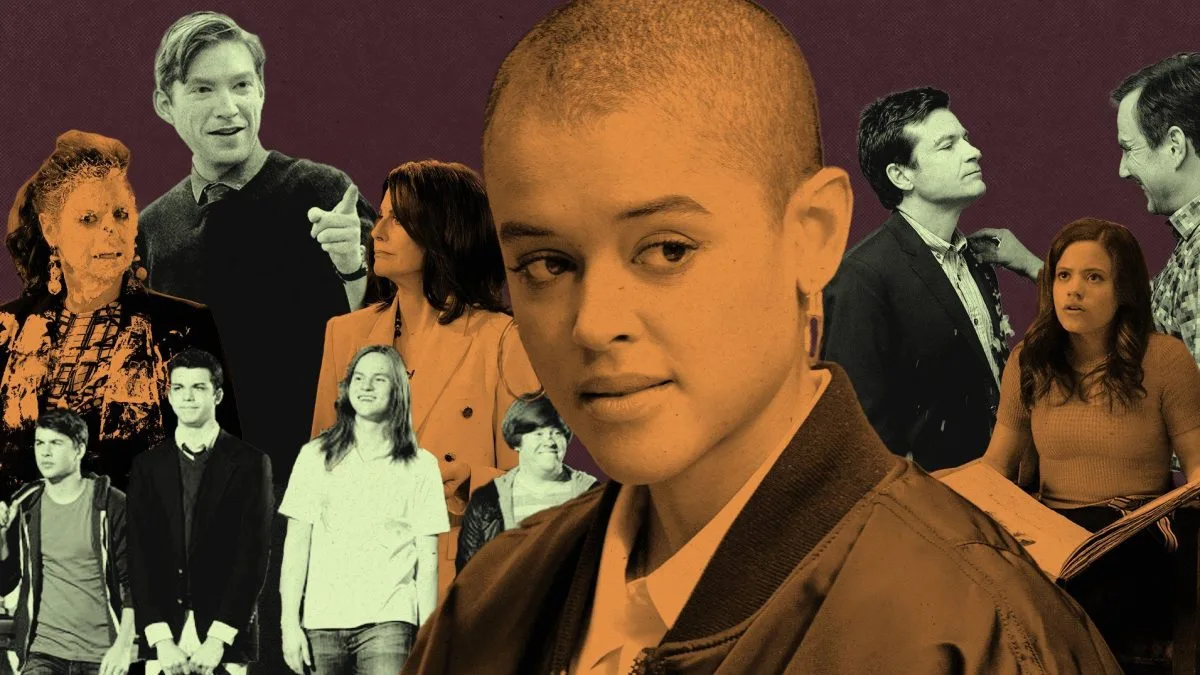
The television landscape is increasingly dominated by reboots of classic shows, a trend that is drawing fierce criticism from audiences who accuse studios of creative bankruptcy. Recent revivals of beloved series like Scrubs and Malcolm in the Middle have been met with significant backlash, underscoring a growing frustration with the industry's reliance on recycled content.

Malcolm in the Middle Revival Shatters Records but Disappoints Devotees

Nearly two decades after its original run concluded, Malcolm in the Middle: Life's Still Unfair premiered on Hulu and Disney+ to mixed reactions. While the revival, starring Bryan Cranston and Frankie Muniz, broke streaming records by becoming Hulu's most-watched premiere season of 2026, many longtime fans were left deeply dissatisfied.

Viewers took to platforms like IMDb to voice their displeasure, with some branding the series "a monstrosity" and "forced and underwhelming." The show's premise, which follows Malcolm living separately from his biological family with his daughter and girlfriend, failed to resonate with those who cherished the original's chaotic family dynamics.

Wide Pickt banner — collaborative shopping lists app for Telegram, phone mockup with grocery list

Scrubs Reboot Sparks Outrage Over Character Betrayals

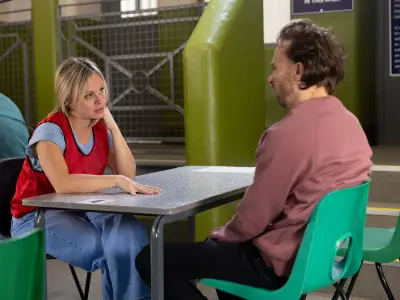
Similarly, the Scrubs reboot, which aired earlier this year, ignited fury among its dedicated fanbase. The revelation that the beloved couple JD (Zach Braff) and Elliot Reid (Sarah Chalke) had split up was particularly contentious. Fans felt that this narrative choice unnecessarily tarnished the cherished memories of the original series, sacrificing emotional continuity for dramatic effect.

This sentiment reflects a broader concern: reboots often alter core elements of classic shows, leaving audiences feeling betrayed rather than nostalgic.

A Broader Trend of Uninspired Revivals

The issue extends beyond sitcoms and dramas. Game shows like Deal or No Deal and Catchphrase have also resurfaced with minimal updates, further saturating schedules with unoriginal content. Critics argue that this trend squanders valuable airtime and streaming slots that could be dedicated to fresh, innovative programming.

As one industry observer noted, "It's perfectly fine to draw inspiration from the best, but copying is simply lazy." This echoes the adage "If it ain't broke, don't fix it," a sentiment many apply to upcoming projects like HBO Max's controversial Harry Potter series, which has already sparked casting debates.

The Silver Lining: Some Cancellations May Be a Blessing

In some cases, the cancellation of reboots might actually preserve the legacy of the originals. For instance, the axing of Sarah Michelle Gellar's Buffy the Vampire Slayer revival, while disappointing to supporters, likely spared the cult classic from potential damage. This allows the original series to remain untarnished in the eyes of its devoted fans.

Ultimately, the backlash against recent reboots signals a clear message from audiences: they crave originality over rehashed concepts. As streaming services and networks continue to flood the market with revivals, the call for genuine creative innovation grows louder, challenging the industry to move beyond its reliance on nostalgic properties.

Pickt after-article banner — collaborative shopping lists app with family illustration