Trash Cinema's Unlikely Ascent to Cultural Respectability
London's esteemed British Film Institute (BFI) is this month hosting a provocative season titled Trash! The Wildest Films You've Ever Seen, showcasing a collection of amoral classics designed to warp and delight audiences. To mark the occasion, Patrick Sproull engages in conversations with John Waters muse Mink Stole and drag superstar Peaches Christ, delving into the nebulous world of trash cinema.
Defining the Indefinable: What Exactly Is Trash Cinema?
Moviemaking's most cherished creepy uncle, John Waters, once armed Melanie Griffith with a wig, a gun, and a manifesto to declare: "Death to those who support mainstream cinema!" His 2000 satire, Cecil B DeMented, stands as a passionate defence of his signature style: trash cinema. This genre remains so loosely defined that it lacks even a Wikipedia page, but it is broadly interpreted as transgressive underground cinema. These films, made with varying degrees of taste, defiantly challenge conventional notions around sexuality, gender, and morality.
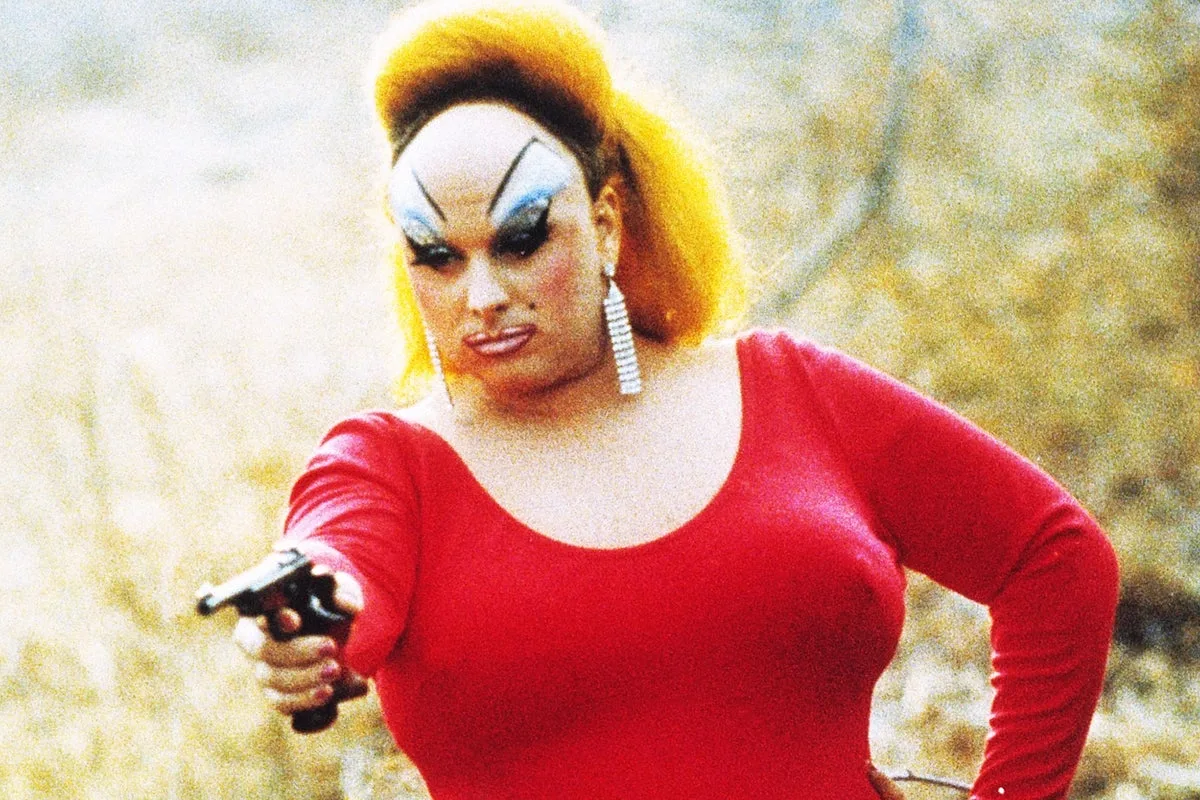
Trash cinema manifests in shocking scenes: a woman in Jed Johnson's Andy Warhol's Bad (1977) tossing her baby out a window due to incessant crying, or kids in Louis J Gasnier's anti-drug PSA Reefer Madness (1936) descending into murderous insanity after a single puff of a joint. It epitomises the late, great drag queen Divine enduring a sexual assault by a gigantic lobster in Waters' Multiple Maniacs (1970). This genre is unapologetically un-PC, polarising audiences while magnetically attracting outsiders, particularly the LGBTQ+ community.
John Waters: The Master of Bad Taste for a Greater Good
Both Multiple Maniacs and Pink Flamingos (1972), crown jewels in Waters' oeuvre, feature prominently in the BFI's April season. This inclusion testifies to how Waters' work has endured over time, as few filmmakers have so consistently wielded bad taste and shock value for artistic merit. Across decades, Waters has provocatively challenged conservative mores, from the lobster assault in Multiple Maniacs to the glue-sniffing delinquent in Polyester (1981) who derives pleasure from stomping on women's feet.
Waters has always asserted that possessing bad taste requires incredibly good taste, a balance he has masterfully maintained. His films, like Desperate Living (1977) with its spontaneous gender reassignment surgery, continue to push boundaries and spark controversy.
Mink Stole: The Unsung Heroine of Waters' Dreamland
Sixty years ago, at just 18, Mink Stole joined the Dreamlanders, Waters' east coast repertoire of eccentrics and deviants. "I knew what we were doing was probably the most fun thing in Baltimore at the time," she recalls. While cinema history celebrates legendary duos like De Niro and Scorsese, perverse moviegoers revere the partnership of Waters and Stole. A committed character actor and gay icon, Stole is Waters' true greatest asset, disappearing into roles as shrewish housewives and conniving criminals.
Stole never anticipated the lasting impact of her work. The cat-eye glasses she wore in Pink Flamingos, filmed in her shared house with Waters, now reside in the Academy's permanent collection, and the film has been added to the Library of Congress. "Well, it's hard to go around thinking 'I am legendary' all the time," she admits. "I still have to do my laundry and grocery shopping. But I've had so many people tell me that laughing at our movies got them through their friends dying of Aids, so I do appreciate it and I'm humbled by it."
Peaches Christ: Reclaiming Trash as a Cultural Foundation
For Peaches Christ, trash cinema forms the bedrock of her drag persona and cultural identity. Growing up as a gay outsider in Maryland, she discovered Waters' films through his 1988 musical Hairspray. "In a weekend I watched Multiple Maniacs and Pink Flamingos. I'm sitting here today at 52 years old as Peaches Christ with all the sacrilege and drag because I sat in that basement and watched those VHSes," she explains.
Christ and Stole have buoyed each other's careers since meeting in 2001. Christ's fandom helped cement Stole's legacy, while Stole's support enabled Christ to turn drag from a hobby into a full-fledged career. In 2010, Christ directed All About Evil, a campy homage to cult horror starring Natasha Lyonne and Stole, featuring a scene where Lyonne sews Stole's mouth shut—a testament to their enduring bond.
The Power and Peril of Reclamation
Christ views trash cinema as a form of reclamation, akin to the transformation of the word "queer" from a pejorative to a proud descriptor. "There's power in reclaiming things and making them your own," she says. "John Waters was proud to call his movies trash and to call himself names like the 'Prince of Puke'." However, not all filmmakers embrace the label. Christ recalls offending exploitation filmmaker Ted V Mikels by using the term "trash cinema" on stage, noting that some in the BFI programme might not have reclaimed the word.
The Future of Trash Cinema: A Fading Flame or Timeless Legacy?
With Waters' attempts to adapt his 2022 novel Liarmouth stalled by funding issues, the future of trash cinema seems uncertain. Stole reflects on the potential for a final film: "I would have enjoyed doing it very much, I like working with John. But a lot of the people who were fixtures on the John Waters sets are gone. It would be an entirely different experience, less like home to me."
Christ believes Waters' reluctance stems from a desire to avoid struggling with low budgets, as the indie film model that birthed hits like Hairspray has faded. "Everything is in a really bad place," she says. "John could make a movie again, but he doesn't want to go back to those early days, and I respect it." Despite this, demand for boundary-pushing comedy persists, as seen in recent films like The Naked Gun reboot and Scary Movie trailers.
Mink Stole and Peaches Christ will perform their show Idol Worship at BFI Southbank on 10 April, with subsequent dates in Manchester, Newcastle, Edinburgh, and Dublin, keeping the trash cinema flame alive for new generations.