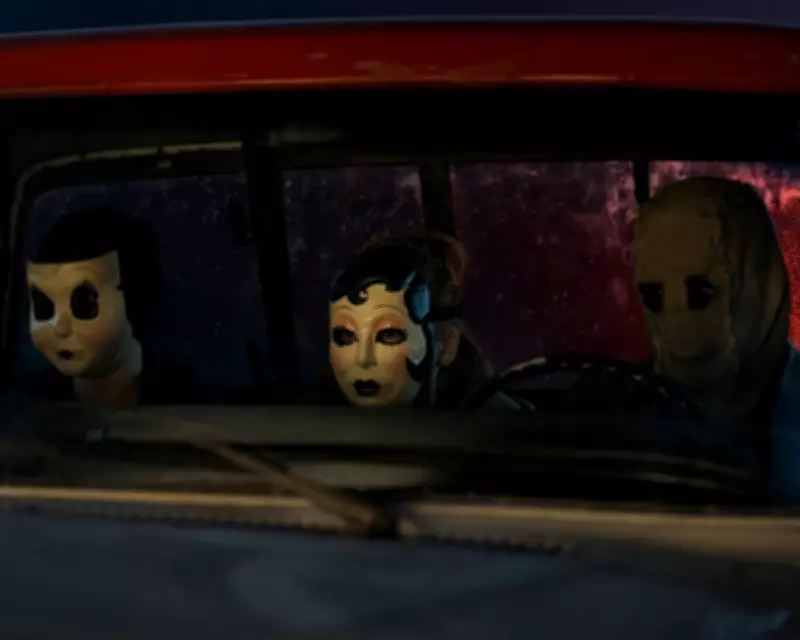
The Strangers: Chapter 3 Review: A Pointless Trilogy Finally Concludes
Renny Harlin's thankless horror trilogy, The Strangers, reaches its conclusion with Chapter 3, a film that sputters to an end after two previous instalments met with widespread indifference. Shot back-to-back in Bratislava in late 2022, with reshoots following the tepid response to the first chapter in 2024, this trilogy has lumbered into cinemas regardless of audience demand, driven by sunk costs rather than creative necessity.
A Morally Gloomy Universe Expanded to Its Detriment
The fundamental error of this trilogy lies in its decision to expand a simple, self-contained story into a three-part saga. The original 2008 film stood as a solid example of American ordeal cinema, perfect for sleepover scares. In contrast, Chapter 3 feels like a generic runaround, hopelessly out of step with the recent horror renaissance. By letting more light into the premise, Harlin and his collaborators have diluted the tension, resulting in a film that lacks the chilling focus of its predecessor.
Plot and Characters: Scuttling Towards a Conclusion
We are now deep into Strangers lore, with the last girl standing, Maya, played by Riverdale graduate Madelaine Petsch, continuing to scurry through a devout woodland community like a bloodied fieldmouse. The masked thrill-killers, previously three in number, are now down to two and have acquired ulterior motives for their pursuit. The cast includes tatted survivor Gregory, portrayed by Gabriel Basso, and the ever-shifty Sheriff Rotter, played by Richard Brake, whose link to the killers is finally made explicit.

New blood arrives in the form of Maya's sister Debbie, brought to life by Hollyoaks alumna and recent short-film Oscar-winner Rachel Shenton. Debbie comes to town seeking answers but is quickly drawn into another round of humdrum stalk-and-slash action. Somewhere in the background lurks an unnerving, and not untimely, idea: an all-American community that tolerates killers in its midst as long as they prey on outsiders.
Pacing and Execution: Antiquated and Leaden
Harlin ties up his loose ends in characteristically leaden and workmanlike fashion. The scene pacing feels antiquated, reminiscent of Wes Craven's Scream era, and a full 30 minutes of pregnant pauses only heighten the suspicion that there was never enough plot to sustain a trilogy. The film's modest resources had been spent, and this final chapter arrives as the year's most dutiful carnage, falling somewhere between footnote and outright detritus.
Ultimately, The Strangers: Chapter 3 is a film that exists because it had to, not because it should. The 2008 original will likely endure as a cult favourite, while this trilogy concludes like a plastic bag being blown through the multiplex by a stiff breeze—unnecessary and easily forgotten.