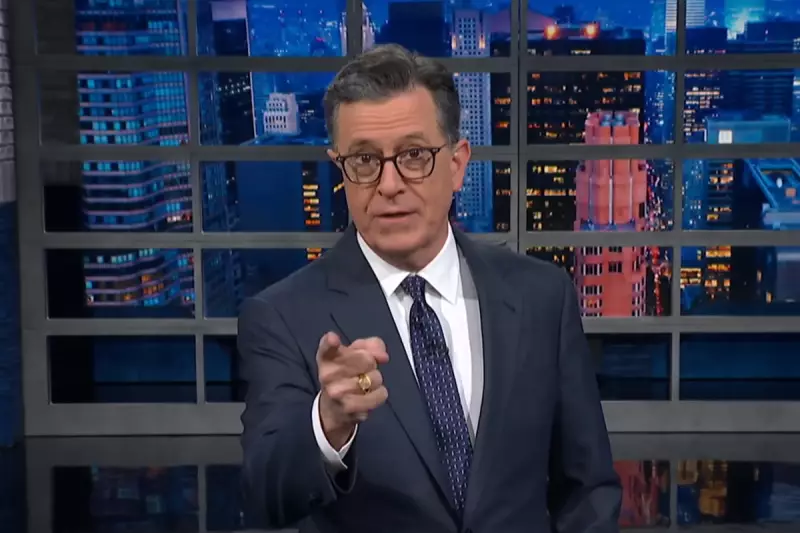
Stephen Colbert's The Late Show to Conclude in May Amid Financial and Political Tensions
In a significant development for late-night television, Stephen Colbert's The Late Show is set to broadcast its final episode on May 21. This announcement follows CBS's decision last July to cancel the show, attributing it to a financial decision driven by declining advertising revenues. Despite this, the network has praised Colbert as irreplaceable, highlighting the complex backdrop to the show's end.
Colbert Criticises CBS and Paramount Over Cancellation
Since the cancellation was revealed, Stephen Colbert has not shied away from expressing his discontent with CBS and its parent company, Paramount. He has openly criticised the move, suggesting that financial explanations may not tell the whole story. In a recent segment, Colbert taunted network bosses, drawing parallels to political controversies.
Mockery of Political and Financial Allegations
Colbert recently mocked former President Donald Trump's so-called Board of Peace fee, quipping that CBS got to do it for just $16 million. This remark was a pointed reference to allegations that the network paid significantly less than a billion-dollar membership fee to obey political pressures, alluding to a merger approval process. His comments have sparked further debate about the true motives behind the show's cancellation.

Internal Beliefs of a 'Shakedown' at CBS
Reports from within CBS indicate that some staffers believe the cancellation was part of a shakedown related to a settlement involving the president. This perspective contrasts sharply with the network's official stance, which maintains that the decision was purely financial. The tension between these views underscores the murky interplay of media, money, and politics in today's entertainment landscape.
Implications for Late-Night Television and Broadcasting
The end of The Late Show marks a pivotal moment for CBS and the broader late-night TV genre. Key points to consider include:
- The impact of declining ad revenues on traditional broadcast shows.
- How political satire and criticism can influence network decisions.
- The future of late-night programming in an era of streaming and digital media.
As the finale approaches, viewers and industry observers alike will be watching closely to see how Colbert concludes his tenure and what this means for the future of television comedy and commentary.