Safe Haven Review: Diplomatic Drama Leaves Kurdish Experience on Sidelines
Chris Bowers, a former British diplomat in Iraqi Kurdistan, brings his firsthand experience to the stage with Safe Haven, a historical drama about the 1991 Kurdish uprising in Iraq. Currently running at London's Arcola Theatre until 7 February, the play aims to shed light on a pivotal moment often overshadowed by larger conflicts in the region.
Authenticity Without Emotional Punch
The production is populated by diplomats, from the Whitehall contingent discussing Kurds hiding in mountains under Saddam Hussein's threat to Iraqi diplomat Al-Tikriti, Saddam's half-brother. Bowers infuses the political debates and bureaucratic wrangles with a weighty authenticity that reflects his background.
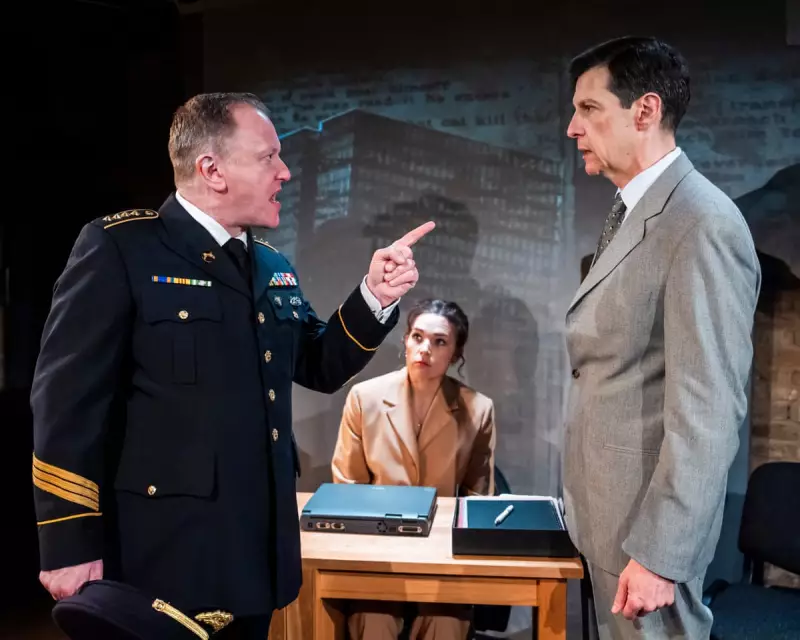
However, this authenticity does not translate into compelling theatre. The heroes are the diplomats—Clive, played by Richard Lynson, and Catherine, portrayed by Beth Burrows—who deliver political detail, including references to the transition from Margaret Thatcher to John Major. Yet diplomacy here means sensible discussion prevails over dramatic sparks, with planning and manoeuvring taking centre stage.

Pacing and Characterisation Issues
Under Mark Giesser's direction, brief scenes shift rapidly from Whitehall to press conferences, Clive's garden, and the Iraqi mountains. These transitions feel functional, prioritising information and exposition over genuine human drama. Characters often come across as paper-thin, with some performances feeling stilted.
Clive is depicted as dull, speaking in predictable cricketing metaphors, while Catherine remains generic. Al-Tikriti, played by Mazlum Gül, serves merely as a mouthpiece when he appears. The most dramatic moments come from Clive's wife, Anne, portrayed by Lisa Zahra, who pushes him to take responsibility for the Kurds' plight.
Kurdish Perspectives Sidelined
The terror faced by the Kurdish population is represented through snatched scenes featuring a pregnant woman, Najat, played by Eugenie Bouda, and her companion, also portrayed by Zahra, hiding in the mountains as coalition forces hesitate. Najat's brother, a doctor and refugee, manages to appeal directly to Catherine about his people's suffering.
Despite these glimpses, the play lacks a deeper focus on the Kurdish experience. Audiences are left wanting more exploration of the debates, manoeuvring, and resourcefulness on the mountain tops, rather than brief moments of fear or resilience.
A Missed Opportunity for Complex Storytelling
This period of Iraq's history, often overlooked from a Western perspective due to the Iraq-Kuwait conflict and later US invasion, deserves richer drama, emotion, and political complexity. While Safe Haven attempts to highlight these events, it falls short in delivering the human depth needed to fully engage audiences.
The play includes elements that could make for effective political drama, such as a blustering American general, played by Stephen Cavanagh, attempting to block the creation of a safe haven for the Kurds—eventually leading to Operation Safe Haven. Yet the overall pace, complexity, and emotional resonance are insufficient to elevate the production beyond a well-intentioned but flawed historical recounting.