If I were limited to watching just one television programme for the remainder of my days, my unequivocal choice would be EastEnders. For me, it represents a near-flawless blend of high-stakes drama, nail-biting suspense that has me clutching my Dot Cotton-inspired pearls, and an abundance of heartfelt storytelling. However, given the opportunity to step into the writer's room, I possess a clear vision for one pivotal alteration: I would decisively refocus the narrative spotlight onto the formidable Mitchell family.
The Enduring Primacy of Family in Walford
Family has perpetually served as the foundational core of EastEnders. Whether examining the original dynasties like the Fowlers and the Beales, or assessing more recent arrivals such as the Panesars and the Knights, the soap opera has consistently championed the collective family unit over any single individual character. A prime illustration occurred last year with the pivotal handover of The Queen Victoria pub; the event transcended a simple transaction between Linda Carter and Kat Slater, symbolising instead the broader transition of the Carters making way for the Slaters and heralding a fresh narrative epoch.
Throughout the decades, the central families commanding Walford's attention have continually evolved. In recent times, the dramatic emphasis has settled firmly upon the Slaters and the Brannings. The respective comebacks of characters like Zoe Slater and Max Branning have propelled their familial clans to the forefront, resulting in the Slaters dominating the Christmas special and the Brannings taking centre stage on New Year's Eve.

Recalling the Mitchells' Golden Era
Yet, there existed a truly glorious period when the Mitchells reigned supreme. Cast your mind back to 2008. Peggy Mitchell was famously ejecting unruly patrons from her pub, a young Ben Mitchell was dancing around the Vic while his father Phil growled his way into the nation's affections, and viewers were collectively gripped by the mystery of when Danielle Jones would finally reveal herself as Ronnie Mitchell's long-lost daughter. This era epitomises the EastEnders I nostalgically associate with its absolute peak.
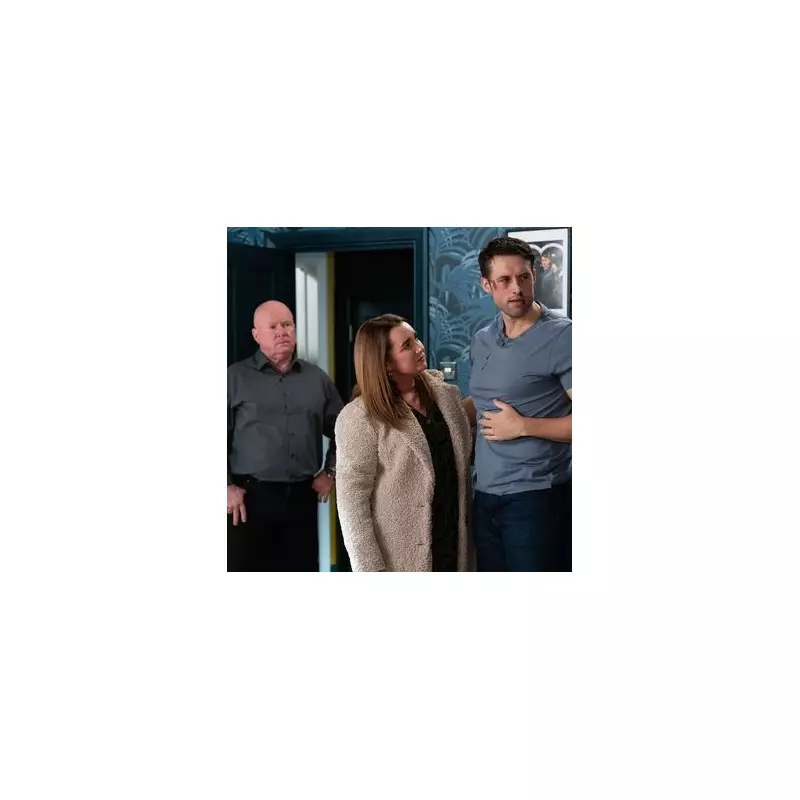
The reason is unequivocal: the Mitchell family has been, and must always remain, the authentic, beating heart of the programme. No actor embodies a terrifyingly gruff patriarch quite like Steve McFadden's Phil Mitchell. No character mastered glorious, chaotic messiness like Rita Simons' iconic Roxy. Samantha Womack's Ronnie could freeze your blood with a single glacial stare, then shatter your heart in the next scene as she grappled with unimaginable maternal loss. And who could possibly forget Larry Lamb's utterly villainous Archie Mitchell? I, for one, still find myself cheering during every rewatch of his dramatic demise.
A Fractured Dynasty in Need of Repair
Regrettably, the Mitchell clan has been severely fractured in recent years. With Peggy, Roxy, and Ronnie deceased, Grant persistently absent, and Ben currently incarcerated, there are alarmingly few Mitchells remaining in Walford. Phil is present, but his interactions are largely confined to characters like Nigel and Debbie. Sam Mitchell has made a return, though it appears to be only temporary. Meanwhile, younger characters like Amy and Ricky Mitchell seem more culturally aligned with the Branning side of their heritage.
Even extended family members such as Billy Mitchell, Harry Mitchell, and the recently exposed non-Mitchell, Barney, feel more integrated into Nicola's immediate circle than connected to the wider, iconic clan. This dispersal has left a palpable void at the centre of the show's power structure.
Mark Fowler Jr: The Unifying Catalyst
The highly anticipated return of Mark Fowler Jr presents EastEnders with a golden opportunity to mend these fractures and reunite the Mitchell dynasty. The show has repeatedly reminded audiences that Mark is the son of Grant Mitchell. However, his initial reappearance during the New Year's flashforward sequence intriguingly positioned him squarely within Branning territory, present at the moment of Max's arrest for reasons yet to be disclosed.

My fervent hope is that the unfolding storyline over the next eleven months will only peripherally tether Mark to the Brannings. Instead, he should function as the crucial narrative glue to pull the scattered Mitchell family back together—potentially even restoring them to their rightful place as the proprietors of The Queen Vic (apologies to Kat Slater).
The internal conflicts of the Brannings and the perpetually tense, wary dynamics of the Slaters can certainly continue to provide compelling subplots. However, they should not occupy the primary dramatic focus. What EastEnders desperately needs is a central family that embodies strength, is unafraid to venture down morally ambiguous or criminal paths for compelling action, and possesses a fierce, instinctive loyalty that sees them band together against any threat.
That is the family I passionately root for—not the perennial philanderer Max Branning or the famously combative Zoe Slater. It is that uncompromising "Mitchells or die" ethos that has the power to truly grip viewers, to make us genuinely care when a character is involved in yet another dramatic car accident or discovers a long-hidden secret child.
The Path to Renewed Relevance
With a commanding, cohesive family like the Mitchells restored to narrative prominence, the show transcends the risk of feeling repetitive and formulaic, transforming instead into something deeply engaging and structurally robust. Therefore, the rallying cry is clear: bring back the Mitchells as the central pillar of EastEnders, and long may their reign resume!