Major Rule Change for 'Rich House Poor House' TV Show Sparks Debate
A significant rule change on the Channel 5 television programme Rich House Poor House has ignited a heated debate among viewers and critics, with many arguing that it compromises the show's foundational social experiment concept. The alteration, which modifies how participants interact and exchange lifestyles, has been met with widespread disapproval for potentially diluting the raw, eye-opening contrasts that defined the series.
Controversial Shift in Format
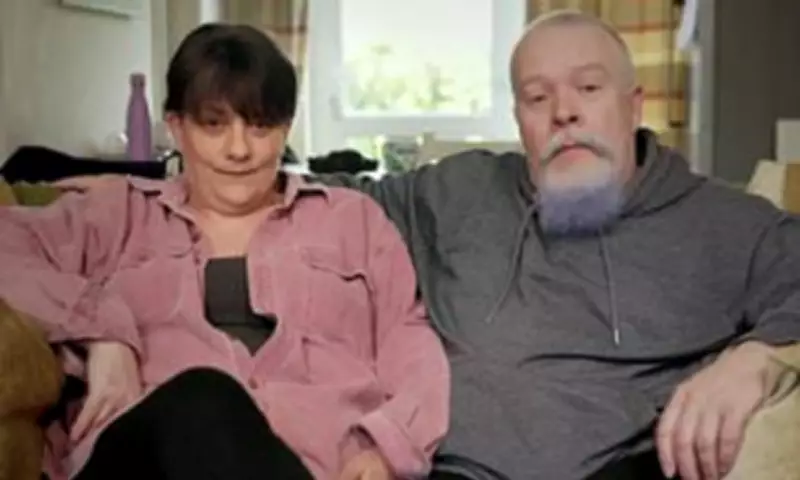
The show, which first aired in 2016, traditionally paired families from vastly different economic backgrounds—one affluent and one struggling financially—to swap homes and budgets for a week. This format aimed to highlight the stark realities of wealth disparity in Britain, offering poignant insights into daily life challenges and privileges. However, the new rule introduces a more controlled environment, limiting the extent of the lifestyle exchange and reducing the immersive experience that previously drove the narrative.
Critics contend that this change softens the programme's impact, transforming it from a gritty social commentary into a more sanitised, entertainment-focused production. They argue that by easing the financial constraints and interpersonal dynamics, the show loses its authenticity and fails to provoke the same level of empathy and discussion about economic inequality.

Viewer and Expert Reactions
Reaction from the audience has been largely negative, with many taking to social media to express disappointment. Long-time fans feel betrayed, stating that the rule adjustment undermines the show's original mission to shed light on poverty and privilege. Media analysts have echoed these sentiments, suggesting that the move might be an attempt to boost ratings by making the content less confrontational, but at the cost of its educational value.
Experts in sociology and television production have weighed in, noting that such changes reflect a broader trend in reality TV towards less risky, more commercially viable formats. They warn that this could diminish the show's role in fostering public awareness about socioeconomic issues, potentially reducing its relevance in today's discourse on inequality.
Implications for Future Episodes
As Rich House Poor House continues under the new guidelines, questions arise about its future direction and integrity. Will it maintain its status as a thought-provoking series, or will it evolve into just another reality show? The controversy highlights the delicate balance between entertainment and social responsibility in broadcasting, prompting calls for Channel 5 to reconsider the rule change to preserve the programme's unique contribution to television.
Ultimately, this development serves as a reminder of the power of media to shape perceptions of class and wealth, and the importance of maintaining authentic narratives in an era increasingly dominated by sensationalism.