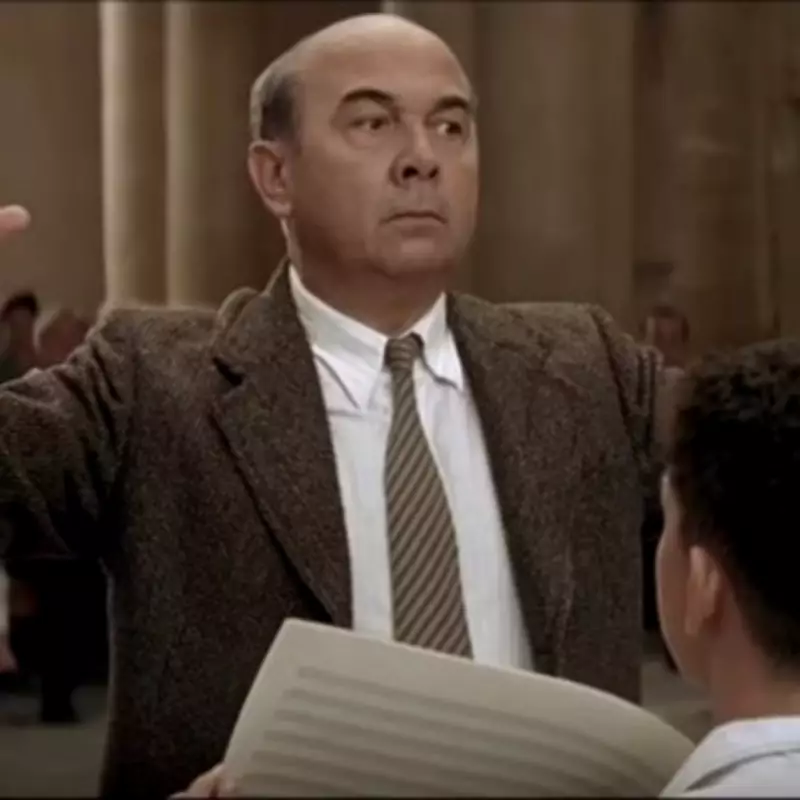
In the vast landscape of cinema, certain films achieve legendary status through critical acclaim and audience adoration. Classics like The Shawshank Redemption, The Godfather, and Schindler's List often dominate conversations about essential viewing. However, when asked which film everyone should experience, actor-turned-musician Louise Burke offered a compelling and unexpected recommendation: Les Choristes, the 2004 German-French-Swiss musical drama.
Louise Burke's Career and Surprising Selection
Louise Burke, who portrayed the Prince's royal nanny in Netflix's The Crown and will appear alongside Jamie Dornan in the upcoming film The Undertow, began her professional life as a translator for international bodies, including UN agencies and European institutions. Her transition to acting brings a unique perspective to film appreciation.
When questioned about a must-watch film, Burke bypassed Hollywood blockbusters and popular choices like Life Is Beautiful or Forrest Gump. Instead, she highlighted Les Choristes, translated as The Chorus, an adaptation of the 1945 film A Cage of Nightingales. Her selection is particularly notable given the film's impressive 92% audience score on Rotten Tomatoes, despite a more modest 68% critics' rating.

The Enduring Power of Les Choristes
Burke elaborated on her choice, emphasizing the film's profound themes. "Les Choristes endures because it understands something many films miss: that discipline and care are not opposites, and that music can be a moral structure, not just an emotional release," she explained.
The plot centers on a post-war boys' boarding school governed by fear, where a teacher introduces choral singing as a system of order. "Each child is given responsibility, a voice, and a place within a whole. The transformation is not sentimental; it is procedural. Music becomes a form of governance that restores dignity," Burke noted.
Music as Narrative and Character
Unlike typical musicals with upbeat numbers, Les Choristes features a deeply moving and sincere score by Bruno Coulais. Burke asserted that the music is integral to the film's impact. "The film's power is inseparable from its score. Bruno Coulais' choral soundtrack does narrative work, carrying emotion that the performances deliberately contain. Music becomes character, conscience, and community," she said.
She further reflected on the film's broader significance: "Les Choristes matters because it shows how love is transmitted through form - through rhythm, responsibility, and collective effort. It's a film about how order, when humane, allows people to be heard."
Critical Reception and Audience Response
The film garnered nominations for Best Foreign Language Film and Best Original Song ("Vois sur ton chemin") at the 77th Academy Awards and won Best Sound and Best Music Written for a Film at the César Awards. Rotten Tomatoes' critics' consensus describes it as "While predictable, this low-key heartwarmer manages to be uplifting without overdoing the sentiment."
Audience reviews, however, are overwhelmingly positive. One viewer, Patric, called it "One of the best films I have ever seen." LCM praised it as "One of my absolute favourites. This movie just hit me right in the feels. The kids are amazing." Another, Louis S, shared, "This movie is a beautiful piece of my childhood, which I've seen again and again. It's beautiful and heartwarming." These testimonials underscore the film's emotional resonance and lasting appeal.
In a cinematic world often focused on spectacle, Louise Burke's endorsement of Les Choristes highlights a film that champions humanity, music, and structured compassion. Its high audience rating and heartfelt acclaim make it a compelling addition to any must-watch list.