Lord of the Flies Review – A Bold and Brilliant Series That Will Terrify Parents
Jack Thorne returns with another horrifying exploration of teenage boys and violence in the first ever television adaptation of William Golding's influential novel. This four-part BBC primetime series reimagines the classic cautionary tale for a contemporary audience, delivering a narrative that is as unsettling as it is compelling.
The Premise and Setting
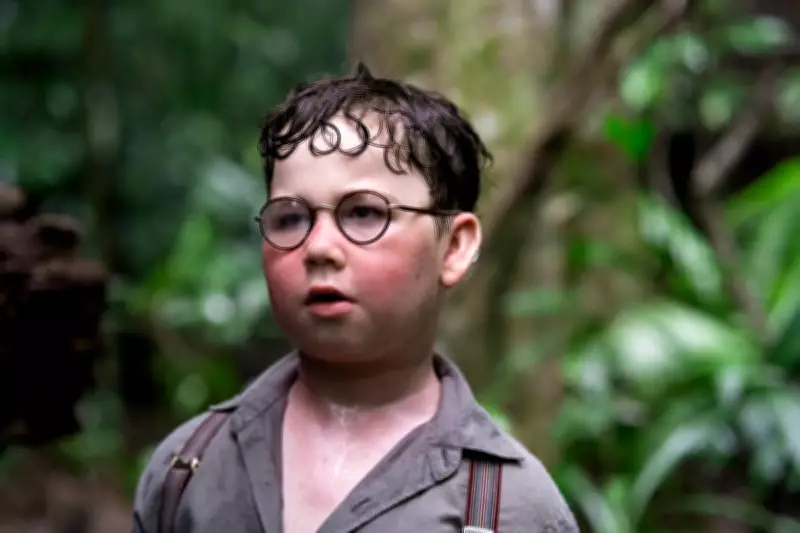
An aircraft carrying predominantly school-age boys crashes on an uninhabited tropical island, setting the stage for a chilling social experiment. Ralph, portrayed by Winston Sawyers, summons the scattered children by blowing a conch shell, establishing a fragile society with himself as elected chief. Piggy, played by David McKenna, serves as his trusted but bullied lieutenant, while Jack, embodied by Lox Pratt, leads the group's hunters after losing the chieftain vote.
The sensitive Simon, portrayed by Ike Talbut, acts as envoy between the divided camps. These British children of the immediate postwar era, hardened by conflict and determined to maintain their stiff upper lip, initially cling to hopes of rescue. Ralph assures his followers: "My father is in the navy, and he says there aren't any unknown islands left. The Queen has a picture of this island."

Themes and Contemporary Relevance
Golding's original novel served as a response to imperialistic boys-own adventure fantasies that celebrated British "values" being brought to unconquered lands. Jack Thorne's adaptation, however, shifts focus toward the teetering patriarchy rather than the end of Empire. The narrative explores how, absent adult guidance, the children's fragile society mirrors the world they've left behind.
"You don't know anything about my father," volatile Jack rages at gentle Simon, who responds: "No, but I know my father. And I have suspicions that they're just the same." This exchange highlights the series' central concern with inherited patterns of behavior and the transmission of masculine ideals across generations.
Production and Performance
Shot largely on location in Malaysia, the four-episode series feels authentically feral. Director Marc Munden and writer Jack Thorne have created a brutal, uncompromising vision that makes no apology for being aimed at adults. Blood-soaked pig hunts, trippy hallucinations, and surges of sudden, shocking violence characterize this adaptation.
While some elements occasionally falter – including certain fisheye photography techniques and uncanny CGI wild pigs – the production is overwhelmingly bold and ambitious. Cristobal Tapia de Veer's rousing score and Mark Wolf's arresting cinematography help temper occasional unevenness in the young cast's performances.
Cast and Characterization
The series succeeds largely due to its well-chosen child actors. David McKenna delivers a particularly convincing performance as the bullied Piggy, while Lox Pratt effectively portrays Jack's gradual unraveling. Winston Sawyers brings appropriate gravitas to Ralph, the elected leader struggling to maintain order as civilization crumbles around him.
Thorne has crafted a television show that, like his previous series Adolescence, will terrify parents. In bold, unflinching detail, Lord of the Flies depicts the journey toward irreversible acts of violence perpetrated by little boys with spindly limbs, unbroken voices, and wide, seemingly innocent eyes.
Cultural Resonance and Legacy
The adaptation recognizes that Golding's narrative continues to resonate with contemporary audiences, particularly Generation Z viewers familiar with survival narratives like Fortnite, The Hunger Games, and Squid Game. The imagined monster's warning – "Fancy thinking the Beast was something you could hunt and kill" – echoes as the boys descend into chaos, reminding viewers that the capacity for violence exists within all people, including children.
This television adaptation joins George Orwell's Animal Farm as another literary classic often encountered by readers too young to fully comprehend its themes. Thorne and Munden's interpretation makes no concessions to younger audiences, instead presenting Golding's disturbing vision in all its terrifying glory for adult viewers to confront and contemplate.