Looney Tunes: The Day the Earth Blew Up Review – A Fresh Spin on Classic Capers
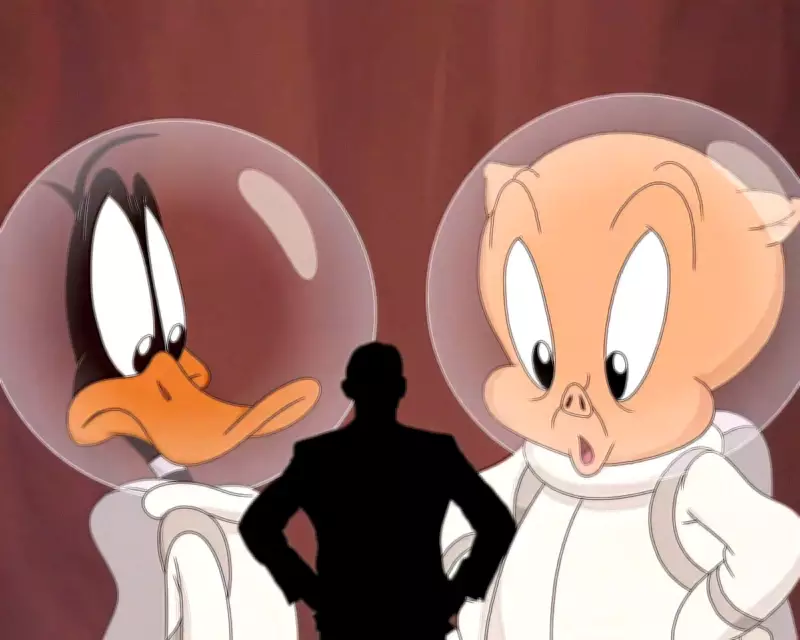
The enduring Looney Tunes franchise has been resurrected once more in The Day the Earth Blew Up, bringing back beloved characters Daffy Duck and Porky Pig for a contemporary adventure. Since Warner Bros ceased original cartoon production in the 1960s, the series has seen numerous reboots, amassing more screen time than iconic remakes like Dracula or Jurassic Park. This latest feature, voiced by Eric Bauza, updates the antics for modern sensibilities while retaining the quirky charm that has captivated audiences for decades.
Modern Themes and Character Dynamics
Set in the 2020s, the film embraces emotional depth from the outset, weaving in child psychologist-friendly lessons about acceptance and loyalty. In a departure from their traditional rivalry in 1930s-50s shorts, Daffy and Porky are portrayed as lifelong friends, raised together by Farmer Jim (Fred Tatasciore). After his early demise, the duo must navigate a plot involving alien mind control via chewing gum, with Petunia (Candi Milo) – once a minor character – now a key food scientist driving the story. This shift reflects subtle feminist progress within the franchise.
Nostalgic Callbacks and Design Choices
The film nods to Chuck Jones's classic work, particularly the 1953 masterpiece Duck Amuck, though it lacks the meta playfulness of its predecessor. Character designs draw inspiration from Daffy's early, hyperactive incarnations rather than his later frustrated persona, adding a frenetic energy. The animation blends varied styles, evoking a Ren and Stimpy-like texture that diverges from traditional Looney Tunes aesthetics.

Audience Reception and Release Details
While the script may not elicit uproarious laughter, it offers wry chuckles and brisk execution that entertains. Looney Tunes: The Day the Earth Blew Up premieres in UK and Irish cinemas from 13 February and streams on Netflix in Australia, promising a fun, family-friendly experience that balances old-school antics with contemporary themes.