From Showman to First Lady: Keala Settle's Transformative Journey
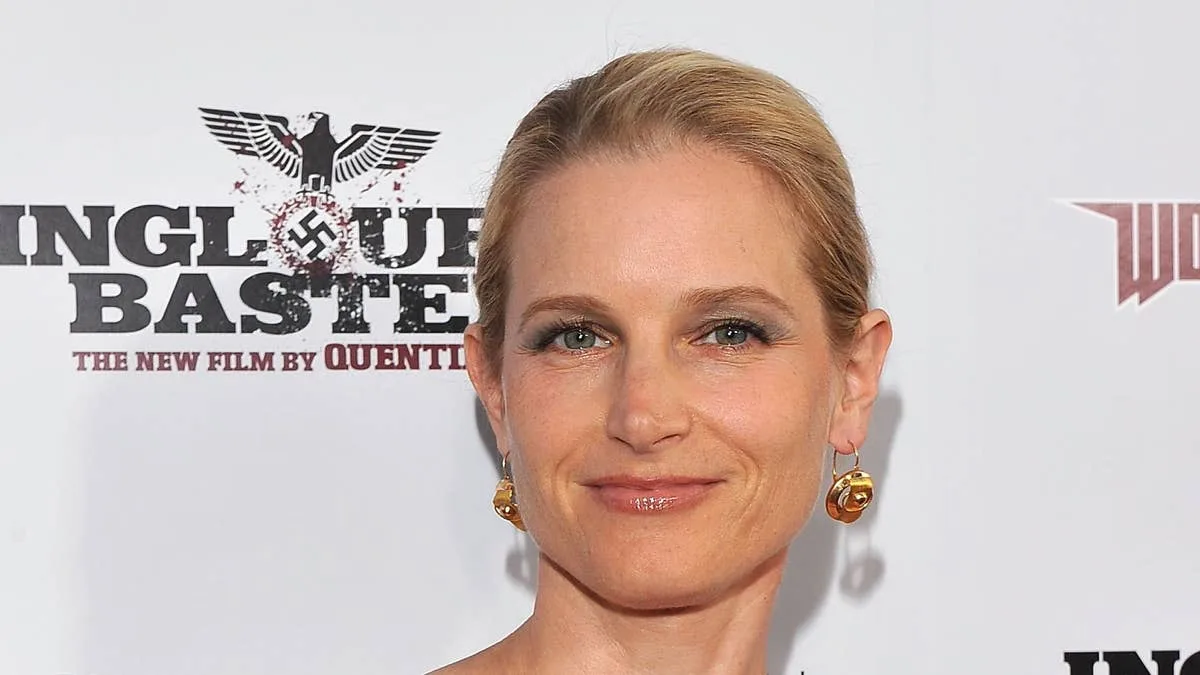
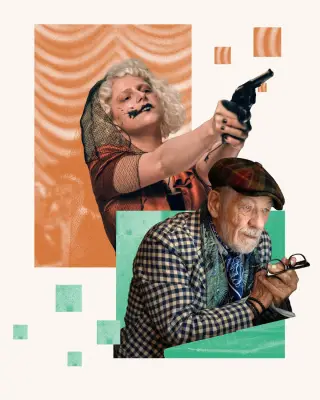
In the atmospheric rehearsal studios of London's Charing Cross Theatre, Keala Settle is preparing to inhabit one of American history's most complex figures. The Broadway performer, globally recognised for her powerhouse performance in The Greatest Showman, is stepping into the formidable shoes of Mary Lincoln for the haunting new production Mrs President, which begins a six-week London run this month.
A Role of Profound Personal Connection
"I've never related to anything so closely," Settle reveals about portraying Abraham Lincoln's widow. The seventy-five minute psychological drama, written by John Ransom Phillips and directed by Bronagh Lagan, imagines a pivotal encounter between Mary Lincoln and pioneering photographer Mathew Brady, played by Hal Fowler. This intimate staging offers a stark contrast to the comedic Broadway hit Oh Mary! that coincidentally arrives in the West End simultaneously.
For Settle, the role represents more than just another theatrical challenge. "There's no way I could have done this had I not gone through all of that," she reflects, her voice filled with emotion. The parallels between her own experiences with sudden fame and Mary Lincoln's navigation of public vilification following her husband's assassination are strikingly apparent.
The Greatest Showman's Double-Edged Legacy
Settle's breakthrough performance as bearded lady Lettie Lutz in the 2017 musical phenomenon catapulted her into global recognition, with her showstopping anthem This Is Me earning Golden Globe and Oscar nominations. Yet the aftermath proved unexpectedly challenging for the performer, who describes struggling with the intense public scrutiny that followed.
"When I did Showman I was not ready," she admits candidly. The emotional rehearsal footage that went viral just four months after her mother's death remains difficult for her to watch. "I saw myself as a five-year-old girl who had not yet been looked after," she explains, revealing how her professional success coincided with profound personal loss.
Health Challenges and Artistic Evolution
The pressures of sudden celebrity were compounded by serious health issues. Shortly after The Greatest Showman's release, Settle suffered a mini-stroke and underwent ten-hour double bypass brain surgery, receiving a diagnosis of rare Moyamoya disease just days before her scheduled Oscars performance.
"That was a disease that I had no idea I had, that just happened to be fed by what was happening," she reflects. This health crisis prompted a fundamental reassessment of her approach to life and work. "I'm used to 'Give, give, give, and when you're dead, keep giving'. That's when I went: OK, I've got to look after myself."
Cultural Roots and Identity Formation
Settle's complex background has profoundly shaped her artistic sensibility. Born in Hawaii to a New Zealand Māori mother and Oldham-born father who met during a Mormon mission, she grew up navigating multiple cultural identities. "I would come home and it would be: we're learning Māori alphabet and music and Tītī tōrea stick game; then we'd go outside and have to find another identity because this identity was not for outside."
Her mother's determined push toward a singing career created what Settle describes as "un-mothering" - a dynamic that attracted her to Mary Lincoln's story, as the former first lady lost her own mother at just six years old. Settle's mother passed away a decade ago, adding another layer of personal resonance to the role.
Embracing Fear and New Challenges
Now settled in Brighton with a distinctly British accent developed from childhood exposure to classic British comedies, Settle is deliberately seeking projects that challenge her in new ways. "I'm looking for projects that internally make my bum twitch but I know I need," she says with characteristic humour.
The transition from musical theatre to straight drama represents a significant creative shift. Without music's inherent emotional power, Settle notes, "you have to work ten zillion times as hard to find the tools to make that kind of impact." Yet this very challenge has become part of the role's appeal.
Reclaiming Narrative and Finding Grace
Both Settle and the character she portrays share a determination to reclaim their narratives from public interpretation. "As much as I sang This Is Me as a character, the way that I lead my life is something a lot of people can't cope with because it's not their version of me," she observes.
This theme resonates powerfully with Mary Lincoln's historical experience. "'We see you as the grieving mother, you're the maniac, you're this and you're that,'" Settle paraphrases the public judgement faced by the former first lady. Her response, both as performer and through her character, is defiant: "She takes all of it back by saying: 'You're right. I hope you enjoyed the show because I survived it.'"
Through Mrs President, audiences will witness not only a reinterpretation of a misunderstood historical figure but also an artist coming fully into her own power. Settle hopes they "will see both myself and Mary in a brand new light" - a light that reveals the strength forged through adversity and the grace discovered in self-acceptance.