I Want Your Sex Review: Olivia Wilde Shines in Araki's Tame Sundance Romp
At this year's Sundance Film Festival, a notable shift towards nostalgia has emerged, with many films evoking the spirit of past eras. Among them is I Want Your Sex, the latest offering from acclaimed director Gregg Araki, which premiered to packed audiences. While the film marks Araki's return to his campy, dayglo roots, it struggles to recapture the infectious energy of his earlier works, despite a standout performance from Olivia Wilde.
A Nostalgic Return to Provocation
Sundance 2026 has been characterised by a reflective mood, honouring the festival's history and legacy. On a bustling Friday, I Want Your Sex transported viewers back to the in-your-face provocation of late 90s and early 00s indie cinema. Araki, a filmmaker synonymous with this rebellious wave, introduced his long-awaited project with palpable excitement, billing it as a "return to form." The film certainly revisits his signature style—vibrant colours, unfettered sex, and madcap plotting—but it lacks the boisterous vitality that once defined his movies.
For a while, the nostalgia almost works. Araki hasn't explored this kitschy territory since 2010's Kaboom, and early scenes, such as one involving a vagina made of chewed gum, spark curiosity about his take on contemporary issues. However, this promise quickly fades, leaving the film reliant on Wilde's magnetic presence to sustain interest.

Olivia Wilde's Electrifying Performance
Olivia Wilde delivers a tour de force as Erika Tracy, a provocative artist who uses sex to wield power. Araki has compared her to classic stars like Ingrid Bergman and Greta Garbo, and her performance exudes an old-school femme fatale allure. Every time she enters a room, all eyes are drawn to her, and she navigates the film's heightened tone with precision and charisma.
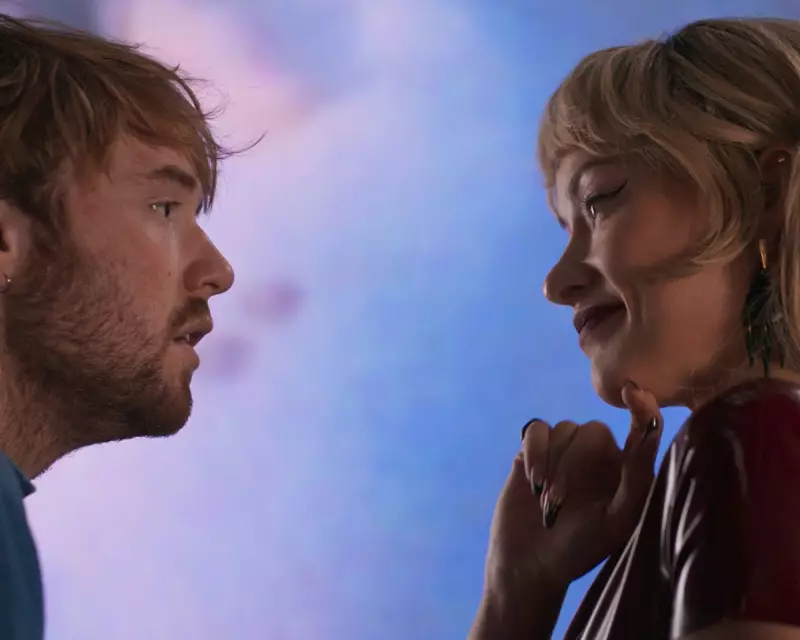
Wilde's character takes a sexually inexperienced assistant, Elliot, played by Cooper Hoffman, under her wing, initiating him into a world of domination and submission. Araki gender-swapped the roles post-#MeToo, using their dynamic to comment on generational stereotypes about sexuality. Erika critiques the "retro sex negativity" of younger generations and scoffs at political correctness, finding pleasure in degrading Elliot to highlight primal desires.
Missed Opportunities and Lacklustre Execution
Despite its provocative premise, I Want Your Sex feels surprisingly tame. The sexual scenes, involving dildos, handcuffs, and ball gags, are played for laughs but fail to shock or arouse. Araki's thesis on sex and power is laid out early but never fully explored, leaving the narrative shallow and repetitive.
Cooper Hoffman's performance as Elliot is miscast, lacking the chemistry needed with Wilde. He seems out of place in Araki's heightened world, acting as if in a more subdued comedy. Their interactions, though frequent and semi-naked, lack believable sexual or comedic spark, making it hard to invest in their relationship.
Supporting actor Mason Gooding, playing a gay and slutty character, aligns well with the film's tone, but even his efforts can't salvage the overall lack of momentum. The plot meanders through unexciting hijinks, such as a fizzling threesome and a flamed-out murder subplot, dragging the 90-minute runtime into feeling longer.
Final Verdict: More Cheeky Than Raunchy
I Want Your Sex ultimately lands as more suggestively cheeky than genuinely raunchy. While Araki's intent to portray sex as harmless and fun in a demonising era is admirable, the execution falls flat. The film seeks shock, arousal, and debate but barely holds attention, making it a disappointing entry in Araki's storied career.
As it screens at Sundance and seeks distribution, I Want Your Sex serves as a reminder of Araki's legacy but fails to reignite his former fire. Olivia Wilde's performance is the sole highlight in an otherwise underwhelming romp that struggles to balance nostalgia with contemporary relevance.