Cinema has long explored the complex terrain of grief through diverse narratives, from the adventurous journey in Pixar's Up to the haunting Venetian trip in Don't Look Now. In the newly released H Is For Hawk, director Philippa Lowthorpe presents another profound exploration, adapting Helen Macdonald's bestselling 2014 memoir into a film that refuses to offer easy answers.
A Visceral Journey Through Loss
Set in 2007, the film follows Helen Macdonald, portrayed with raw intensity by Claire Foy, as she grapples with the sudden death of her beloved father Alisdair, played by Brendan Gleeson. An academic at Cambridge University, Helen has shared a lifelong fascination with birds of prey with her father, bonding over their mutual sense of humour and trading Groucho Marx one-liners.
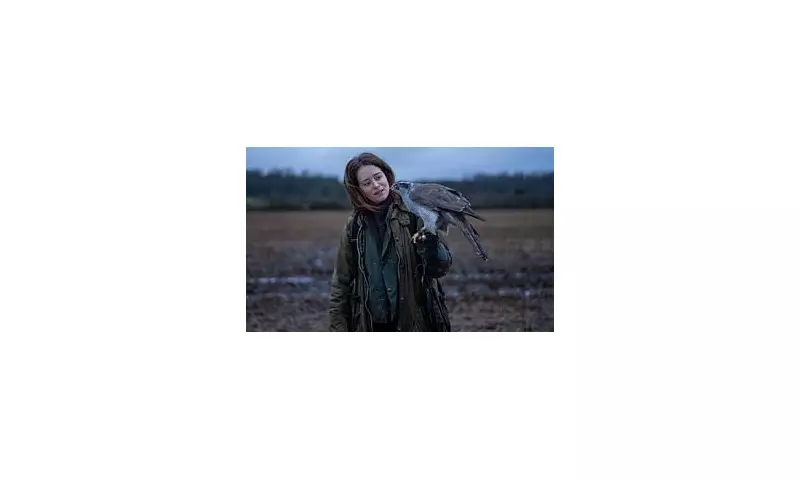
When Alisdair, a renowned newspaper photographer nicknamed Ali Mac, collapses and dies unexpectedly, Helen is blindsided by grief. Rather than seeking conventional comfort, she embarks on an unconventional path to healing: purchasing and training a goshawk she names Mabel.

Nature's Harsh Comfort
The film charts Helen's deepening connection with the fierce bird of prey, a relationship that becomes her primary solace. As she travels to her father's native Scotland to acquire Mabel and returns to the Cambridgeshire countryside for training under the guidance of a bird-of-prey expert, played by Sam Spruell, Helen finds temporary relief from her pain through this visceral connection with nature.
Foy underwent intensive training to handle the goshawk authentically, resulting in compelling scenes that showcase her burgeoning authority over the bird. These moments are exquisitely shot, capturing both the beauty and brutality of their developing bond.
Complex Character Portrayal
Lowthorpe, who co-wrote the screenplay with Emma Donoghue, presents Helen as a multifaceted character who is easy to empathise with but not necessarily to like. As her obsession with Mabel grows, her academic teaching suffers and her personal hygiene deteriorates, making for an increasingly challenging viewing experience.
The film explores Helen's strained relationships with other family members, including her brittle connection with her mother, portrayed by Lindsay Duncan, and her nearly silent brother. These dynamics highlight how Alisdair was the only person who truly understood her, making H Is For Hawk a significant addition to the limited canon of powerful films about father-daughter bonds.
Avoiding Sentimental Traps
What distinguishes this adaptation is its refusal to follow a predictable trajectory from pain to catharsis. In different hands, the story might have been softened into a more commercially palatable narrative. Instead, Lowthorpe has created a smarter, more demanding film that respects the messy, unpredictable nature of grief.
When Helen attempts to find comfort in romance, bringing a man home only to have him spooked by her collection of emotional self-help books, the film acknowledges that human interaction isn't always the solution she craves. Even her concerned best friend, played by Denise Gough, cannot provide what she finds in her relationship with Mabel.
A Worthwhile Cinematic Experience
H Is For Hawk unfolds in unexpected ways, much like grief itself rarely follows a prescribed pattern. This authenticity, combined with Foy's superb central performance, makes for a very worthwhile film that lingers in the memory.
The film's strength lies in its willingness to present grief as a complex, ongoing process rather than a problem to be solved. Through Helen's journey with Mabel, audiences witness a unique form of healing that acknowledges pain without promising resolution.