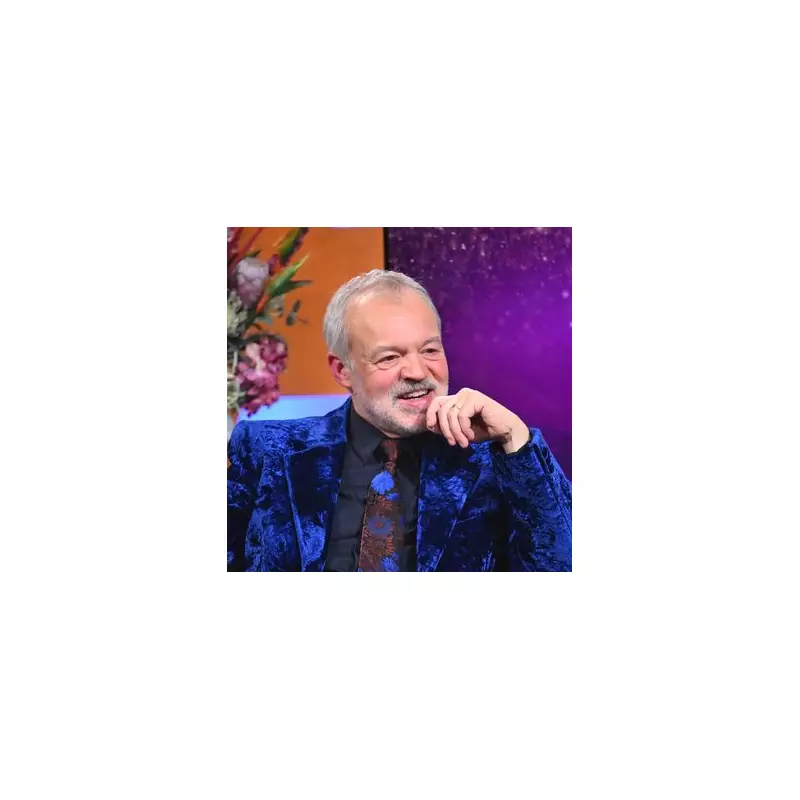
Graham Norton Show producer Graham Stuart has pulled back the curtain on the intricate and often contentious process that determines where famous guests sit on the programme's legendary red sofa. The long-running BBC chat show, currently in its 33rd series, regularly hosts a glittering array of stars from Hollywood and British entertainment, yet the seemingly simple matter of seating arrangement is anything but straightforward.
The Hierarchy of the Sofa
In a revealing message sent to The Rest is Entertainment podcast, Stuart confirmed what many viewers have long suspected: a clear hierarchy governs the placement of celebrities. "Media hierarchy is primarily driven by publicists," Stuart explained, "and seat one, which is the seat next to Graham, is the primary aim of all of them for their clients." He described the sofa as being so packed with star power that publicists must work exceptionally hard to secure the coveted spot for their clients.
Podcast co-host Richard Osman, who has appeared on the show multiple times, humorously noted his own lack of representation in this process. "I do not have a publicist. No one ever talked to me about seat one, Graham," he said, highlighting the professional machinery that operates behind the scenes.

Maximising Chemistry and Managing Egos
Once the initial placement battles are resolved, the production team focuses on arranging the order to maximise on-screen chemistry. Stuart revealed that the last seat on the sofa is often reserved for a specific type of guest. "We aim to arrange the order to maximise chemistry," he stated. "The last seat is often reserved for a 'funny person' or an artist we know will play the talk show game correctly and help create conversational flow."
Richard Osman elaborated on this point, clarifying that such a guest is someone who is engaging in conversation, listens to others, contributes humour, and crucially, can be seated at a distance from the host without causing ego-related issues.
Stuart concluded by praising the show's central figure, pointing to the "key factor in all of this." He emphasised "the extraordinary ability of Graham Norton to ringmaster a soft furnishing-based line of giant egos. Nobody does it better." Osman was quick to clarify that the term "giant egos" is not a criticism of diva behaviour, but rather an acknowledgment of the professional realities of showbusiness.
A Testament to Production Brilliance
Reflecting on the show's success, Richard Osman, himself a TV producer, expressed his admiration for the seamless execution. He contrasted his experiences on other programmes, where he might assume issues will be fixed in post-production, with the live brilliance of The Graham Norton Show. "On that show, I'm watching the brilliance of Graham Stuart and Jon Magnusson and how brilliant Graham Norton is," he told co-host Marina Hyde.
The show, which began airing on BBC Two in 2007 before moving to BBC One in 2009, continues to be a cornerstone of British television entertainment, typically airing from September to March each year. The recent insights from its producer offer a rare glimpse into the complex diplomacy and strategic planning required to manage a sofa full of stars, proving that in showbusiness, while all stars may be equal, some seats are undoubtedly more equal than others.