Inside the UK's First BSL Dating Show: 'Deaf People Can't Hide Behind Words'
First BSL Dating Show Reveals Deaf Culture and Identity

Inside the UK's First Ever Dating Show to Use British Sign Language

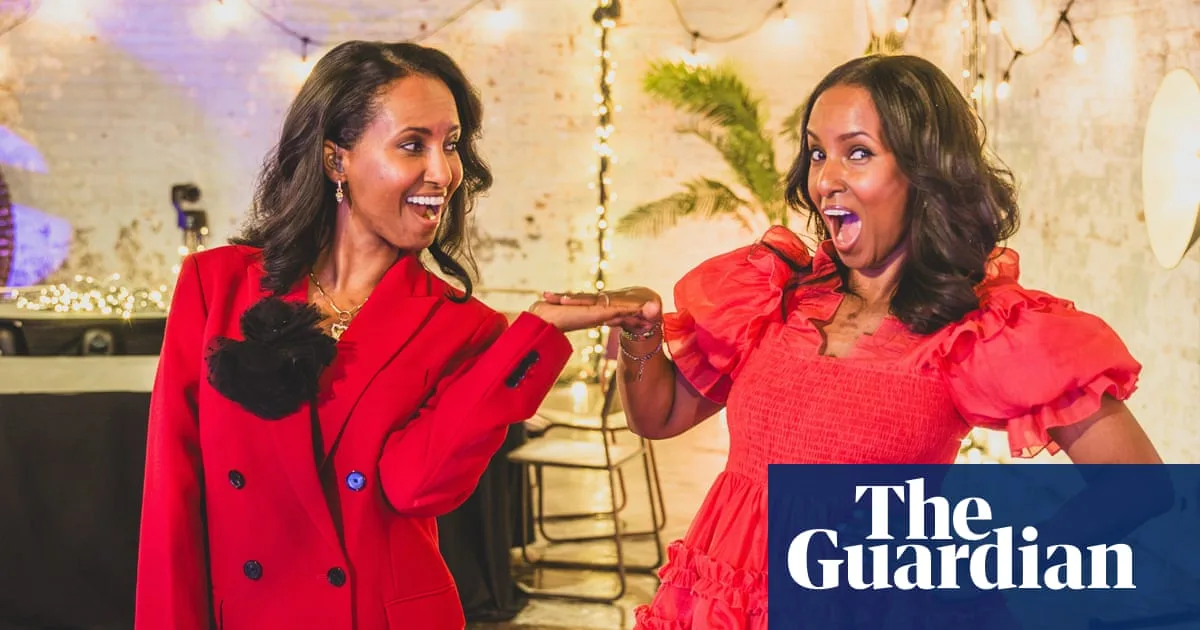
Hold My Hand, a groundbreaking dating series, is making television history by focusing exclusively on British Sign Language (BSL). Presented by deaf identical twins Hermon and Heroda Berhane, the show offers a refreshingly blunt and revealing look into the deaf community, challenging stereotypes and celebrating identity.

A Long-Awaited Platform for Deaf Culture

Heroda Berhane expresses the significance of this moment: "We've been waiting to get a show of our own for such a long time. People have never seen our culture, our identity, the way we discuss things. So it's a dating show, yes, but it's not just about dating; it's also revealing our identity and our culture, and that has never been seen before." The twins, who share a popular Instagram lifestyle account called Being Her with over 125,000 followers, aim to bust myths about deaf people's capabilities, particularly around communication.

Their collaboration with the dating app Tinder in 2023 highlighted a concerning statistic: 71% of 18- to 24-year-olds would not feel confident dating someone who uses BSL as their primary form of communication. With the British Deaf Association noting 150,000 BSL signers in the UK, including 87,000 who are deaf, the show seeks to bridge this gap.

Authenticity and Vulnerability in Communication

Hermon Berhane explains the unique communication style of deaf individuals: "Especially for hearing people, they speak a lot, and they sort of hide behind their language and their words. But for deaf people, we sort of peel off those layers to express ourselves in a different way and really show our emotions, rather than hiding behind words, so we become a bit more vulnerable." Heroda adds that BSL is simply another language, encouraging curiosity and openness from hearing audiences.

All contestants on LumoTV's Hold My Hand are either deaf or children of deaf adults (Codas) who use BSL. The small, tight-knit deaf signing community meant the presenters often knew the contestants, requiring a bit of acting to maintain impartiality. Heroda notes: "It's a very small circle, so we had to just pretend that we didn't know the people and carry on. There's a little bit of acting as well in that."

Blunt Honesty and Human Connection

The show's three episodes, including a dedicated instalment for LGBT+ singletons, feature candid discussions on topics like morning versus evening sex and matching lube and lingerie. Heroda emphasises: "Us deaf people, we're very open, very blunt, very straight to the point, very honest, and I want hearing people to see that." She hopes viewers realise that deaf people share the same human experiences of love, sex, joy, flirtation, and vulnerability.

Hermon agrees, pointing out communication barriers: "We're similar, but what is difficult, of course, is communication barriers. We have to learn from one another. You speak the language that I cannot hear, and I speak a language that you don't understand." Heroda concludes that BSL communication is more party-like and lively, with greater depth and authenticity compared to relying solely on words.

Mainstream Potential and Industry Impact

Launched in time for Valentine's Day on the streaming channel LumoTV, producers believe Hold My Hand has "huge mainstream potential." LumoTV CEO Camilla Arnold states: "For too long, the use of British Sign Language has been treated as an afterthought in mainstream entertainment and reality TV. With this series, we're flipping that on its head." The show not only entertains but also educates, fostering greater understanding and inclusion for the deaf community in media.