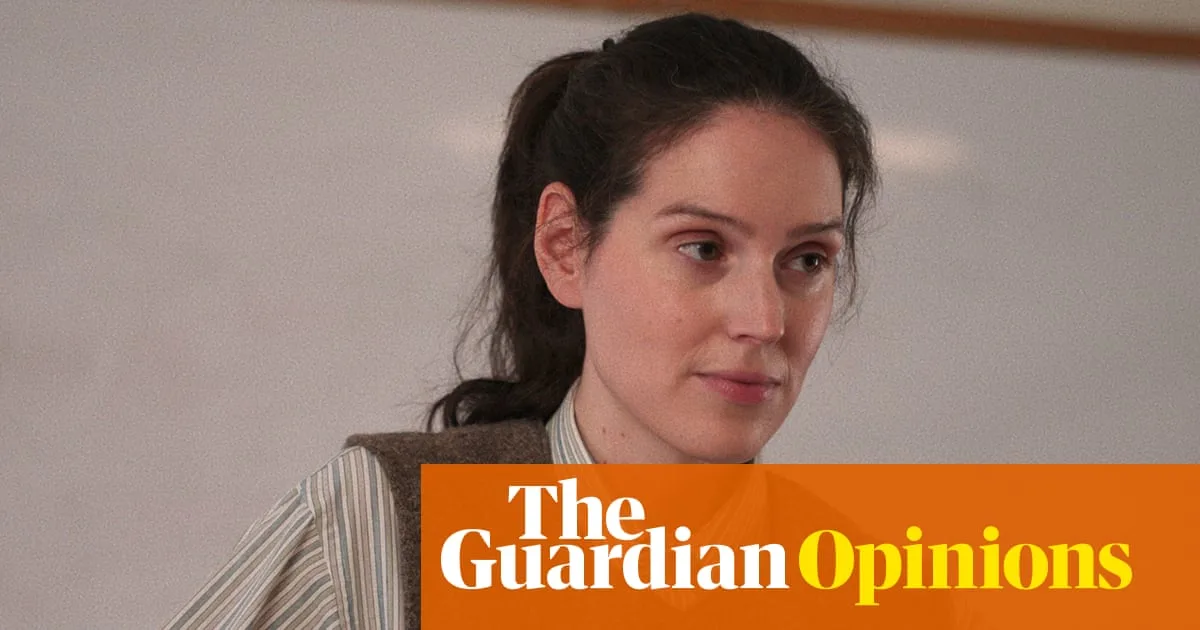
Eva Victor’s debut feature, Sorry, Baby, out this summer, presents a nuanced portrayal of the aftermath of sexual assault. The film follows Agnes, a twentysomething English PhD student in a small New England town, who is assaulted by her thesis adviser. Victor handles the scene with economy and restraint, focusing on Agnes’s detached recounting to her best friend Lydie rather than graphic details.
The film avoids the clichés of many post-#MeToo narratives, which often lean on trauma as a defining identity or revel in male depravity. Instead, Sorry, Baby explores the messiness of living after such an event—Agnes struggles with sleep, considers arson, adopts a cat, and doubts her own abilities. Victor prioritises the everyday over the sensational, offering a subtle and honest depiction.
Critics have praised the film for its intelligence and timing, arriving as backlash to the #MeToo movement grows. The Guardian’s Adrian Horton notes that the assault scene is depicted “briskly, delicately, with a particular balance of gravity, context, confusion and resistance to extremity,” making it a standout in a genre often marred by self-importance or smugness.

Victor’s approach contrasts with other recent works like Promising Young Woman or Blink Twice, which Horton criticises for their “passé, privileged version of misogyny.” By focusing on the aftermath rather than the act itself, Sorry, Baby offers a fresh perspective on a well-worn topic.