The Dunblane Tapes Review: A Heartbreaking Documentary on Lasting Grief
Thirty years after the Dunblane massacre, a deeply moving documentary titled The Dunblane Tapes lays bare the unfathomable grief of parents who lost children in the tragedy. Based on footage made by a devastated father in the aftermath, this film speaks powerfully to those still dealing with the loss, leaving viewers to wonder how some are still standing.
The Unbelievable Tragedy and Its Aftermath
On 13 March 1996, Thomas Hamilton shot dead 15 primary schoolchildren aged between five and six, along with their teacher Gwen Mayor, during a PE lesson in their gym. A 16th child died en route to hospital. The documentary retells this story quietly and unsensationally, using contemporary news footage sparingly but effectively.
It shows parents running towards the school, some in slippers, and the agonising wait for news. Journalist Melanie Reid recalls seeing a woman driving behind her suddenly cover her mouth in horror upon hearing the news on her car radio.

John Crozier's Personal Tapes and Shared Grief
The tapes refer to video recordings made by John Crozier, who lost his five-year-old daughter Emma. He documented gatherings of bereaved parents, conversations with friend Les Morton—who also lost his five-year-old daughter Emily—and the continuation of family life amidst loss.
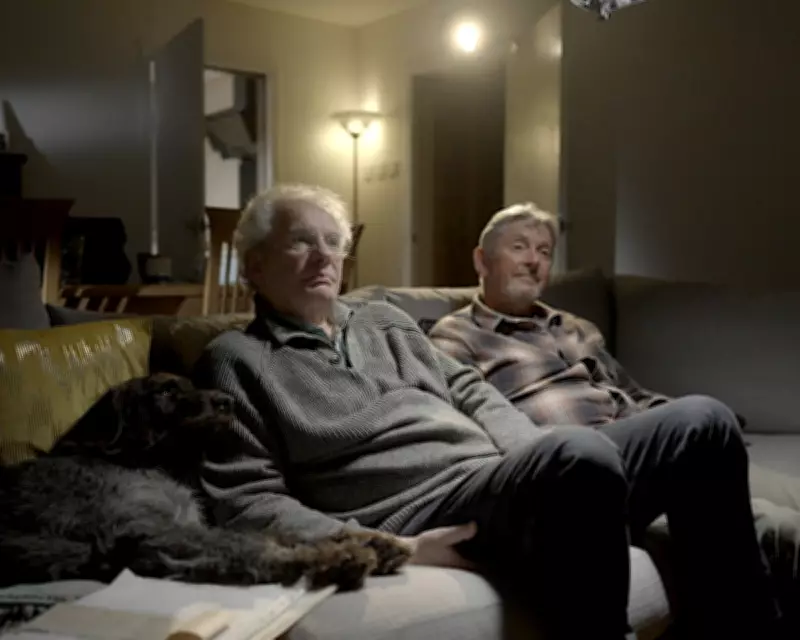
We see Emma's three-year-old brother Jack making fairy cakes with Grandma, aspiring to be "a big baker." Now white-haired, the two men sit together remembering. Les recounts being interrupted in a meeting to hear about the shooting, while John's tapes show him dark-haired and radiating grief, describing how he sees Emma's face every morning.
"Is it like a photograph?" John asks. "No, it's like a live picture," Les replies, visibly struggling. "Nobody would think it's possible. I still don't think it's possible ... I feel venomous every day. My child's gone. Never to be seen again."
Other Parents' Stories and the Snowdrop Campaign
Other parents featured include Mick North, who lost his five-year-old daughter Sophie just three years after her mother's death. Their stories intertwine with the one tangible good from their suffering: the Snowdrop Petition, named after flowers blooming in Dunblane in early March.
Launched by Ann Pearston, it highlighted that assault rifles were banned after Hungerford but not handguns, which Hamilton legally possessed and were more deadly. "He didn't actually do anything wrong until he fired the first shot," says Jacqueline Walsh, who with Rosemary Hunter joined the campaign.
It grew into a public effort to outlaw private handgun possession, garnering cross-party support and facing down a well-funded pro-gun lobby. With the 1997 general election bringing Tony Blair's Labour government to power, they achieved a full ban—an incredible feat, especially compared to the lack of change after Sandy Hook in the US.
"I have the greatest admiration for those three women," says John. "Absolutely," echoes Les. Yet, as John told press at the time, "It's hard to think of anything in terms of winning and losing when you've lost your only child."
The Dunblane Tapes offers a measure of peace but underscores enduring pain, airing now on Channel 4 as a poignant reminder of loss and resilience.