Deafblind Child Harvey Hind Makes Historic EastEnders Debut
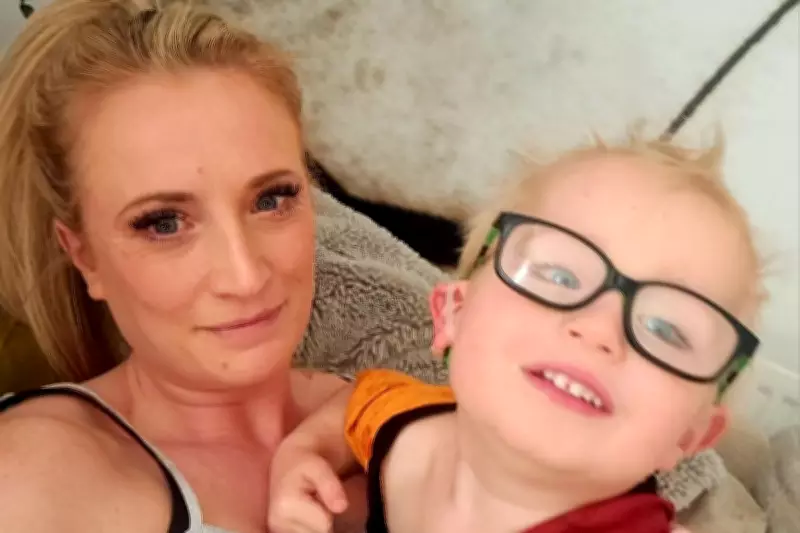
In a groundbreaking moment for television representation, five-year-old Harvey Hind from Clitheroe, Lancashire, is set to make his acting debut on the BBC One soap opera EastEnders. Harvey, who is deafblind, will portray Arlo, a pre-school character registered as blind, in an episode airing on Wednesday. This landmark appearance aims to challenge stereotypes and promote inclusivity for disabled children in the media.
A Mother's Hope for Breaking Barriers
Harvey's mother, Kimberly Hind, has expressed profound optimism about her son's role, stating that it will "break down barriers" for disabled youngsters and significantly raise public awareness. She believes that seeing a deafblind child in a mainstream television show can inspire others and foster greater understanding of disabilities. Harvey's journey to this debut has been supported by the disability charity Sense, which has provided essential assistance since his diagnosis of blindness at just three months old.
Scene Details and Character Interaction
In the upcoming episode, Arlo and his mother visit the home of Lauren Branning and Peter Beale, where Arlo engages in play with Jimmy, another blind character. This interaction highlights the everyday experiences of blind children, while Arlo's mother offers advice to the other characters, adding depth to the storyline. Harvey communicates using British Sign Language and navigates with a distinctive red-and-white striped cane, elements that are authentically incorporated into his performance to reflect real-life experiences.

Impact on Disability Representation in Media
Harvey Hind's debut marks a significant step forward in diversifying on-screen representation, particularly for children with sensory impairments. By casting a deafblind actor in a role that mirrors his own condition, EastEnders sets a precedent for authentic storytelling and inclusion in entertainment. This move not only provides visibility but also educates audiences about the capabilities and challenges faced by disabled individuals, encouraging a more empathetic and inclusive society.