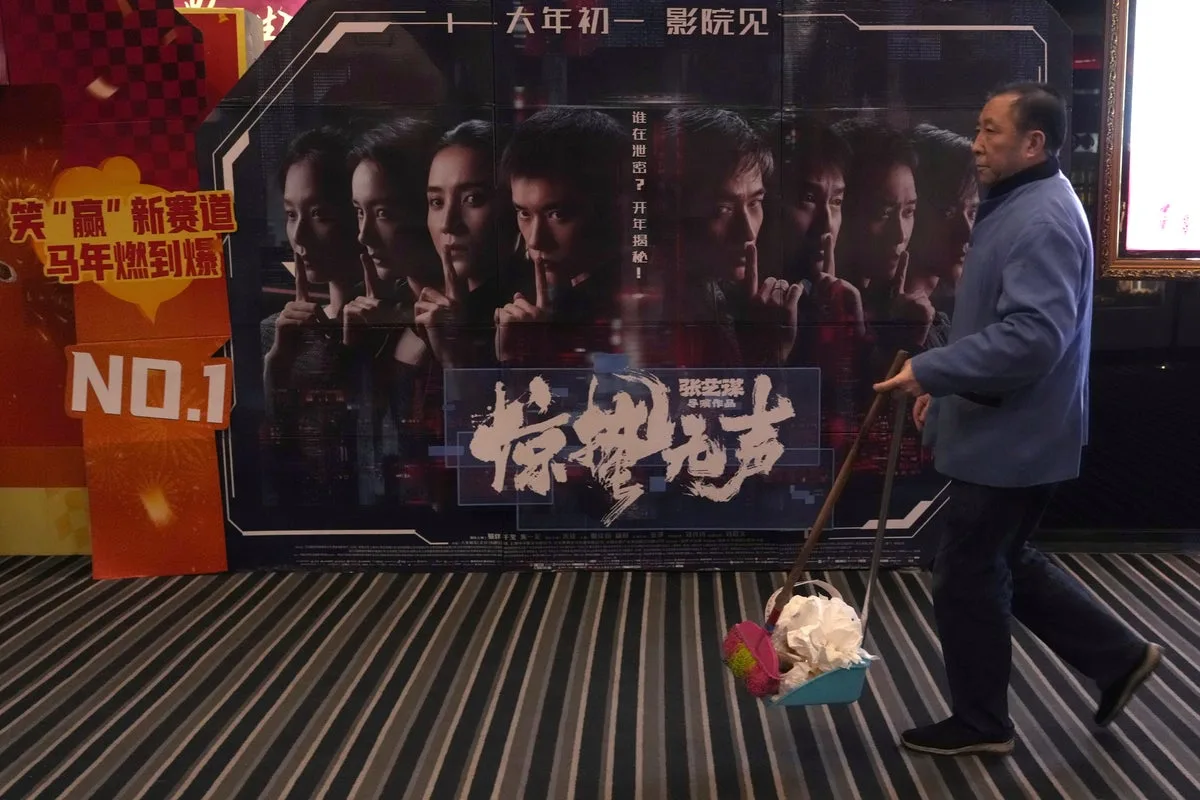
In a groundbreaking move for Chinese cinema, the high-octane spy thriller 'Scare Out' has become the first motion picture to receive official endorsement from China's secretive Ministry of State Security. Directed by Oscar-nominated filmmaker Zhang Yimou, the film represents a significant departure from traditional state control over security narratives.
A New Era of Public Engagement
While spy films about moles within intelligence agencies are common in Western cinema, this marks a notable shift for China where security authorities typically maintain strict control over public discourse. The Ministry of State Security has promoted 'Scare Out' on social media platforms, stating the film aims to 'strengthen the people's defence line' and 'echo the needs of national security education.'
The ministry has become increasingly open about its work in recent years, transitioning from complete secrecy to regular public engagement. Since making its first online post on WeChat approximately two years ago with the message 'Counterespionage requires the mobilization of the entire society,' the MSS has been publishing almost daily content including real case studies, comics, short videos, and mini movies.
Behind the Scenes of 'Scare Out'
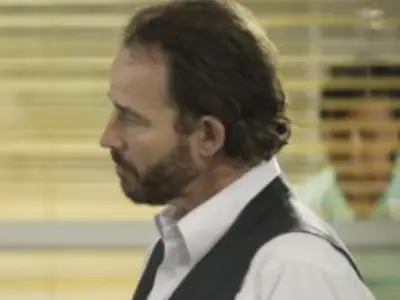
Featuring acclaimed actors Jackson Yee and Zhu Yilong, 'Scare Out' follows the hunt for a mole within China's intelligence service who is leaking classified information about a new fighter jet. The film includes dramatic scenes such as a high-speed chase through Shenzhen's glass-walled skyscrapers and a drone bringing down a fleeing spy.
Director Zhang Yimou revealed in an op-ed for the People's Daily that 'state security officers accompanied us throughout the whole filming process to make sure the film is close to reality.' Zhang, known for Oscar-nominated films including 'Ju Dou,' 'Raise The Red Lantern,' and 'Hero,' emphasized the educational purpose of the project.
Social media rumors suggest the film's plot may be based on a real case involving a researcher who allegedly leaked information about China's J-35 fighter abroad, though the Ministry of State Security has not commented on these claims.
Strategic Public Mobilization
Security experts interpret the MSS's involvement in the film as part of a broader strategy to make intelligence work more visible and encourage public participation in national security efforts. Sheena Greitens, an associate professor at the University of Texas at Austin, described it as 'a very sophisticated effort to mobilize Chinese citizens and make national security entertaining and fun to support.'
'It wants to build public and popular support to encourage people to share information,' Greitens added, noting the ministry's apparent goal of creating a more engaged citizenry willing to report suspicious activities.
International Context and Reception
The release of 'Scare Out' coincides with increased intelligence recruitment efforts between global powers. The CIA has been sharing Mandarin-language recruitment videos on social media targeting Chinese officials, asking 'Do you have information about China's top leaders?' and encouraging potential informants to make contact.
China's Ministry of Foreign Affairs has criticized these recruitment attempts, vowing to take all necessary measures to prevent infiltration. Liam McLoughlin, senior lecturer in politics at Edge Hill University in England, noted that while Western spy films typically focus on external threats, China is also 'highlighting to people internally that they don't side with the West.'
Since its premiere on Chinese New Year's Day (17 February), 'Scare Out' has achieved significant commercial success, reaching 1.1 billion yuan ($160 million) at the box office within two weeks. The film has also been playing in international markets including the United States, Canada, and Australia.
Audience Reactions and Educational Impact
Viewers have responded positively to the film's blend of entertainment and patriotism education. Alice Jin, a 28-year-old e-commerce worker in Washington who saw the film, admitted she initially expected to be bored but found it 'better than I expected,' adding 'I had no idea what it (MSS) was before.'
Wang Lehang, a 25-year-old student, appreciated the educational approach, stating 'a movie on patriotism education definitely works better on me' than traditional lectures. These reactions suggest the MSS's strategy of using entertainment to promote national security awareness may be achieving its intended effect.
The film represents China's entry into a genre that has been popular internationally for decades, with the first James Bond movie released over sixty years ago and the CIA having long collaborated with Hollywood to shape portrayals of intelligence work. 'Scare Out' marks a new chapter in how China's security apparatus engages with both domestic and international audiences through popular culture.