Call the Midwife Criticised for 'Tired Stereotypes' in Feminist Depiction
Call the Midwife criticised for 'tired stereotypes'

The BBC's beloved period drama, Call the Midwife, has found itself embroiled in controversy following its latest series premiere. Critics argue the show resorted to outdated clichés in its portrayal of the early 1970s Women's Liberation Movement (WLM), undermining its usual nuanced exploration of women's lives.

A Scene That Missed the Mark

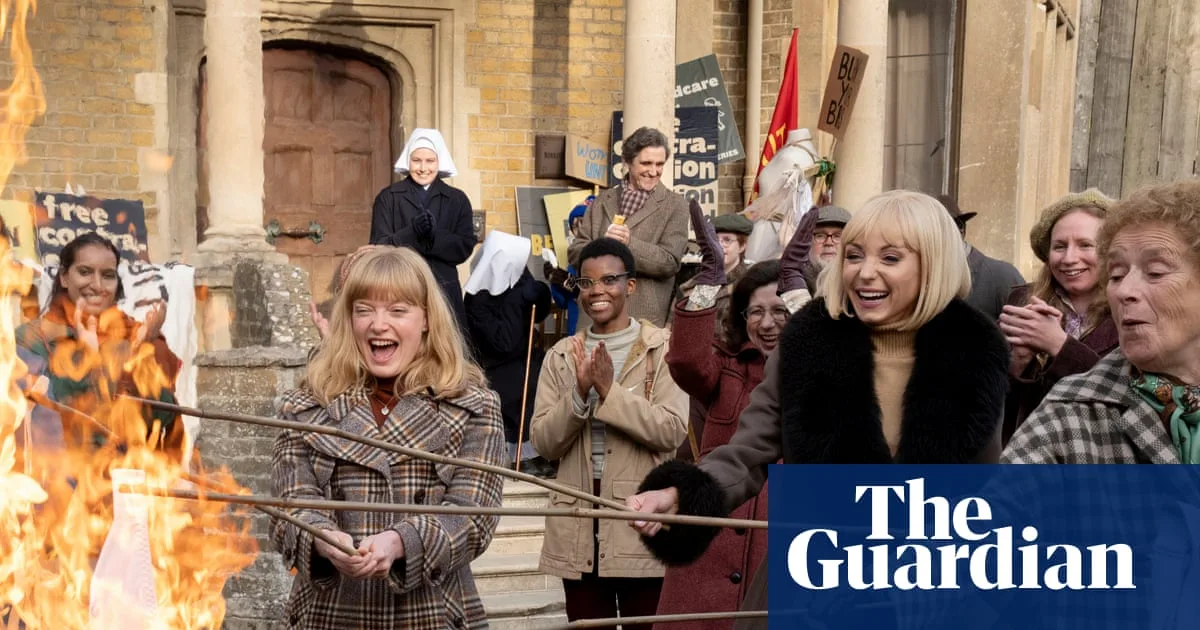
The opening episode of the new series featured female characters attending a WLM meeting, later gathering to burn their bras over a brazier. While the visual may have offered a light-hearted moment showcasing various undergarment styles, it has been condemned as a historical misstep. The show, renowned for shedding light on the realities of postwar British women, was accused of leaning into a false tabloid trope rather than engaging with the movement's substantive aims.

The Real Demands of Second-Wave Feminism

As highlighted in a recent Guardian article, the activists of the era confronted pervasive sexism. The movement's core four demands were far more concrete than symbolic gestures: they fought for equal pay, equal education and job opportunities, free contraception and abortion on demand, and 24-hour childcare. The reduction of this complex struggle to a bra-burning spectacle has disappointed viewers and historians alike.

Wide Pickt banner — collaborative shopping lists app for Telegram, phone mockup with grocery list

Judith Condon, a reader from Halesworth, Suffolk, expressed her dismay in a letter to the Guardian. She pointed out that the 'bra-burning' narrative was largely a fabrication eagerly promoted by the tabloid press of the 1970s, which often depicted women in limited roles. Condon suggested the programme's writers should have known better, stating that veteran feminist journalist Jill Tweedie would be 'turning in her grave'.

Backlash and a Legacy at Stake

This misrepresentation strikes a particular chord because Call the Midwife has built its reputation on thoughtful, issue-driven storytelling. The criticism centres on the show missing a valuable opportunity to educate a modern audience on the grassroots political activism that led to significant social change, including the Sex Discrimination Act. Instead, it opted for a simplified, cartoonish version of history that perpetuates tired stereotypes.

The incident serves as a reminder of the responsibility held by popular television dramas when depicting historical social movements. For a series that has consistently championed women's stories, this episode has been marked as a rare but significant stumble in its otherwise celebrated run.

Pickt after-article banner — collaborative shopping lists app with family illustration