Betrayal Review: ITV's Spy Drama Squanders a Promising Premise
Betrayal Review: ITV Drama Fails to Deliver on Intriguing Idea

Betrayal Review: ITV's Spy Drama Squanders a Promising Premise

Marriage breakdowns and cop dramas stand as two enduring staples of British television, reflecting a psychological fascination with infidelity and espionage. This obsession offers a lurid window into the secretive, unspoken aspects of the national character. ITV's new four-part drama, Betrayal, attempts to merge these genres, but the result is a frustratingly mixed bag that ultimately disappoints.

A Compelling Setup Lost in Convention

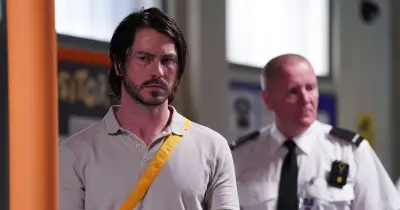
Shaun Evans stars as John, a British Intelligence operative known for his maverick tendencies. His handler at MI5, Simone, played by Nikki Amuka-Bird, acknowledges his instincts but urges caution with resources. John's independent actions lead him to witness a brutal murder and face voluntary redundancy. However, he uncovers a credible threat of a mass casualty terror attack, potentially orchestrated by the Iranian military. Teaming with Mehreen, a British-Iranian agent portrayed by Zahra Ahmadi, John sees a final chance to save his career, but it risks further straining his marriage to Claire, played by Romola Garai. Claire is still recovering from John's past affair with a colleague, and as John grows closer to Mehreen, their marital rift deepens.

The drama's core idea, crafted by acclaimed playwright David Eldridge in his TV serial debut, pairs two types of betrayal: national treachery involving a criminal gang in Stockport hired by an Iranian general, and personal infidelity within John and Claire's marriage. This premise suggests ambition, exploring how work pressures and class differences drive wedges between characters. Yet, despite this intriguing setup, Betrayal quickly succumbs to the gravitational pull of typical ITV thriller tropes.

Familiar Tropes Override Originality

From the outset, Betrayal introduces an interesting concept—a marriage drama disguised as a spy thriller—but it soon reverts to more conventional territory. John implores his superiors about preventing a terrorist attack, leading to a narrative where he operates as a rogue agent, engaging in bribery, surveillance, and violent confrontations. The personal betrayal themes become entangled with national security threats, but paradoxically, as stakes rise, the emotional depth diminishes. Unlike sophisticated shows in the genre, such as Slow Horses or London Spy, which treat protagonists as complex individuals with genuine desires and fears, Betrayal reduces emotion to a plot device, prioritizing action over character development.

Performances vary in quality. Shaun Evans, familiar from Endeavour, brings a likable obnoxiousness to John, making him an unusual yet engaging lead. Romola Garai, a two-time Olivier nominee, delivers a somewhat phoned-in performance as Claire but retains enough innate talent to render the relationship believable. Other cast members are less convincing, with certain dialogue lines falling flat, such as Mehreen's clichéd introduction to John. The geopolitically focused plot offers slight novelty compared to shows like Line of Duty or Trigger Point, but it ultimately follows a predictable pattern of violence, suspicion, and deception.

A Formulaic Conclusion

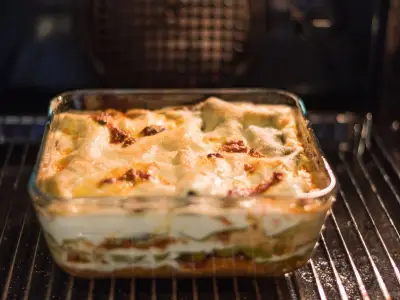
ITV executives could have produced Betrayal in their sleep, as it adheres to a well-honed formula designed to grip audiences temporarily. The four-part series will likely attract viewers for a week before being forgotten in favor of the next program. It serves as the dramatic equivalent of a microwave meal—sustaining but not nourishing. Even a sophisticated idea, akin to lasagna al forno, becomes bland and inoffensive under these commercial demands. Betrayal had the potential to be actively good, but instead, it settles for being defiantly okay, squandering its intriguing premise in favor of safe, familiar storytelling.