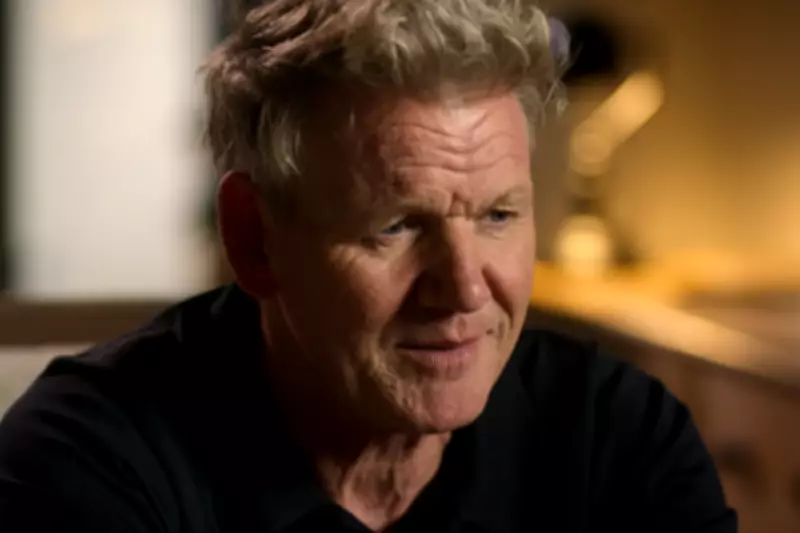
Being Gordon Ramsay Review: A Sanitised Netflix Documentary That Misses Its Mark
There exists a psychologically compelling television show waiting to be made about Gordon Ramsay, but Netflix's new documentary series Being Gordon Ramsay is decidedly not it. This glossy production turns the camera on the celebrity chef's ambitious multirestaurant development atop a London skyscraper, yet ultimately serves as sanitised propaganda rather than genuine insight.
A Pandemic Obsession and Brand Reinforcement
During the Covid-19 lockdowns of 2020 and 2021, while many cultivated sourdough starters with parental devotion, I developed an unhealthy fixation with Ramsay's Kitchen Nightmares. His charismatic screen presence—from theatrical facial expressions during kitchen inspections to inevitable disgust at first bites—provided essential entertainment through those difficult years. Now Ramsay returns with Being Gordon Ramsay, focusing on his massive undertaking at 22 Bishopsgate, London's newest skyscraper.
"It's a huge undertaking," observes Tana, Ramsay's patient wife, as they relax together. "Really, the biggest thing you've done to date." The chef's plan proves remarkably ambitious: a 20-year lease on vast space housing four distinct projects. These include Gordon Ramsay High, a spin-off of his Michelin-starred Royal Hospital Road establishment; Lucky Cat transplanted from Mayfair; a Bread Street Kitchen branch; and an on-site culinary school.

"The whole sector is struggling," Ramsay informs viewers while navigating packed schedules with chefs, designers, builders, and customers. In certain respects, he aims to reassert restaurant power and hospitality industry relevance during "pretty dire" times. More strikingly, however, he seeks to reinforce the formidable Gordon Ramsay brand itself.
From Serious Chef to Culinary Tycoon
"I'm a hard and difficult person to work for," Ramsay confesses directly to camera, though viewers familiar with his decades of television appearances already know this truth. He has evolved from serious chef—earning rare three-Michelin-star recognition for his namesake restaurant—to television staple and ultimately culinary tycoon. The documentary follows his whirlwind travels between London, Las Vegas, Miami, and even Manila, showing him mingling with the rich and famous, walking Formula One paddocks, and receiving fawning attention from fellow chefs and restaurateurs.
The colossal, decadent space at 22 Bishopsgate symbolizes this elevation: a great phallic tourist trap where Ramsay deploys new branches of existing restaurants. Any genuine jeopardy concerning the endeavour's financial stakes—Ramsay claims a £20 million personal investment—gets offset by the undeniable reality that viewers are watching an extended advertisement. You, the audience member, become part of the marketing strategy.
Missing Self-Criticism and Introspection
On Kitchen Nightmares, Ramsay operates with clear values: his feedback proves harsh but fair, his establishment scrutiny thorough and unflinching. As Ramsay's magnum opus, Being Gordon Ramsay feels strikingly deficient in self-criticism or introspection. "Sometimes it's like a live version of Kitchen Nightmares," he jokes during the food court soft launch, yet the comparison rings hollow.
The series presents carefully curated obstacles—guests stealing cat charms, an overheating fat fryer, a banquette collapsing under Ramsay's weight—but overwhelmingly prioritizes food and lifestyle pornography. The implosion of the Bread Street Kitchen project at 22 Bishopsgate, which still hasn't opened, receives minimal attention when that narrative might have proven more intriguing than successful launches of RGR High and Lucky Cat. Ramsay appears too big to fail, both in his brand's ability to generate early reservations and hype, and in the practical reality that he cannot tarnish his project with disappointment's aroma.

Untapped Potential and Americanised Commercialisation
Consequently, Being Gordon Ramsay fails to deploy its greatest asset: Ramsay's trademark honesty. In its fixation on providing effective advertising for 22 Bishopsgate, the show neglects far more compelling threads. Ramsay's rivalry with Marco Pierre White receives no exploration, nor does the decision by Gordon and Tana—18 years after daughter Tilly's birth—to have two more children, six-year-old Oscar and two-year-old Jesse.
A psychologically compelling show about Gordon Ramsay remains unmade, and perhaps Netflix—responsible for numerous vain celebrity documentaries from Beckham to With Love, Meghan—isn't the appropriate broadcaster. Just as Ramsay supports Glasgow's historic Rangers FC while his child wears colours of social media darlings Inter Miami, the entire Ramsay formula feels sanitised, commercialised, and, most disappointingly, Americanised.
Final Verdict on a Missed Opportunity
This proves particularly regrettable because Ramsay stands as one of Britain's finest television exports, deserving better than his own propaganda. Being Gordon Ramsay offers easy viewing but provides minimal commentary about food, the restaurant business, or the man himself. Far from representing a Kitchen Nightmares lens turned on its presenter, this documentary joins a growing line of biographical productions granting subjects excessive control over their narratives.