A Knight of the Seven Kingdoms Saves the Game of Thrones Universe
After the original Game of Thrones concluded with a whimper and the first spin-off House of the Dragon disappointed many, the lighter and shorter series A Knight of the Seven Kingdoms has emerged as a genuine joy for fans and critics alike.
A Cautious Return to Westeros
Many viewers approached A Knight of the Seven Kingdoms with extreme caution. Game of Thrones famously cratered during its final season, making the viewing experience feel almost punitive. House of the Dragon proved even more problematic, for reasons that will be explored shortly.
Presented with another opportunity to dip toes back into Westeros, hesitation was understandable. The series initially appeared terrible in promotional clips, showcasing grimly lighthearted moments where big heroic scenes were undercut with silliness. It seemed to market itself as a low-rent spoof of its predecessors—the Meet the Spartans of Game of Thrones.

How Expectations Were Defied
How spectacularly wrong those initial impressions proved to be. A Knight of the Seven Kingdoms has just completed its refreshingly brief run and may well qualify as the favourite Game of Thrones project to date.
Previous shows carried an element of "eat your vegetables," more concerned with laying out intricacies of multigenerational dynasties than propulsive plot. Watching episodes plunged viewers headfirst into maelstroms of ancestors, rivalries, and thousands of characters with confusingly similar names. Until now, Game of Thrones seemed designed primarily for those already intimately familiar with the source material.
The Beauty of Simplicity
The most thrilling aspect of A Knight of the Seven Kingdoms is its complete simplicity. The story follows a man who wants to become a knight so he can participate in a single joust. That's it. No secret incest, no magical trees, no existential threats to mankind, no dragons, and only glancing references to royalty—which traditionally formed the entire point of Game of Thrones.
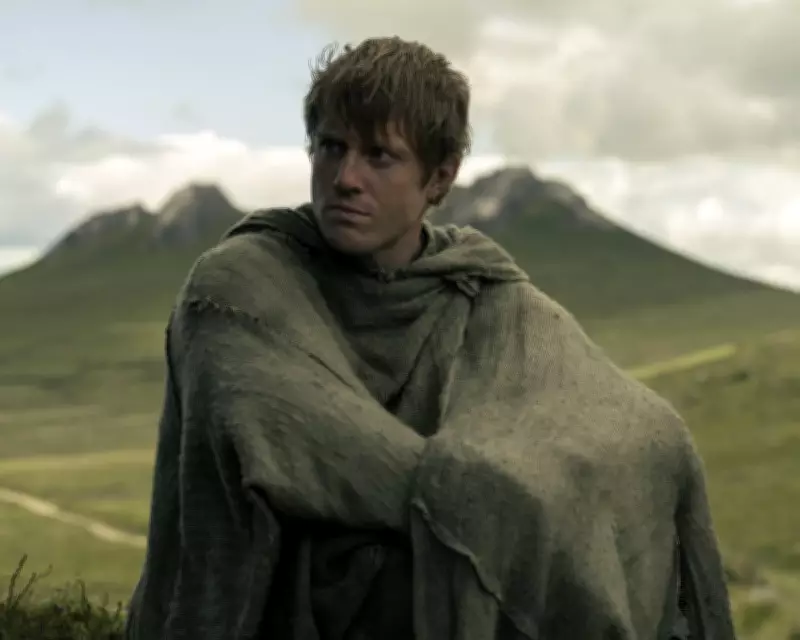
Such bare-bones storytelling risks complete failure if fundamentals aren't perfectly executed. Magically, they are. Ser Duncan the Tall, affectionately known as Dunk, is a loveable, big-hearted character whose good intentions make him impossible to root against. As portrayed by the broad, open-faced Peter Claffey, Dunk embodies decency pursuing simple goals.
Contrast with House of the Dragon
Compare this straightforward narrative to the incomprehensible sprawl of House of the Dragon. To enjoy that show, viewers must train themselves to distinguish between dozens of identically-wigged characters while researching their positions within an overgrown family tree. Characters named Rhaena, Rhaenys, Rhaenyra, Laena, Laenor, and identical twins Arryk and Erryk create a perverse viewing experience.
In A Knight of the Seven Kingdoms, there's Dunk and his companion Egg, plus a clutch of happily distinct characters who appear briefly during road trip novellas without requiring memorisation. This creates a Game of Thrones experience that doesn't feel like close-reading the Old Testament.
Unexpected Depth in Comedy and Brutality
Initial assumptions about the comedy were also mistaken. While the tone remains noticeably lighter than self-important predecessors, the penultimate episode qualifies as one of the most brutal television experiences imaginable. This episode features the long-awaited joust, with Dunk spending most of it being beaten and stabbed in horrifying squelchy close-ups, often from his own perspective.
The violence becomes unbearably galling because viewers know Dunk intimately and understand his motivations perfectly. This episode initially achieved a perfect Rotten Tomatoes score and remains among the top five highest-rated episodes across the entire franchise—notably, no House of the Dragon episodes occupy the remaining four spots.
Ratings Success and Future Implications
In terms of viewership, A Knight of the Seven Kingdoms now averages one million more viewers per episode than The Pitt—a series widely touted as television's saviour. This success points toward a preferred future for Game of Thrones: shorter seasons, tighter focus, and room for occasional fun.

If the franchise continues expanding, this direction represents the most promising path forward. In the immediate future, fans are left eagerly asking for more Dunk and Egg adventures as soon as possible.