How GLP-1 Weight Loss Drugs Fueled a Surge in Hot Sauce Sales and a Family Business Sale
GLP-1 Drugs Drive Hot Sauce Boom and Tapatío Family Sale

The GLP-1 Effect: How Weight Loss Drugs Sparked a Hot Sauce Revolution

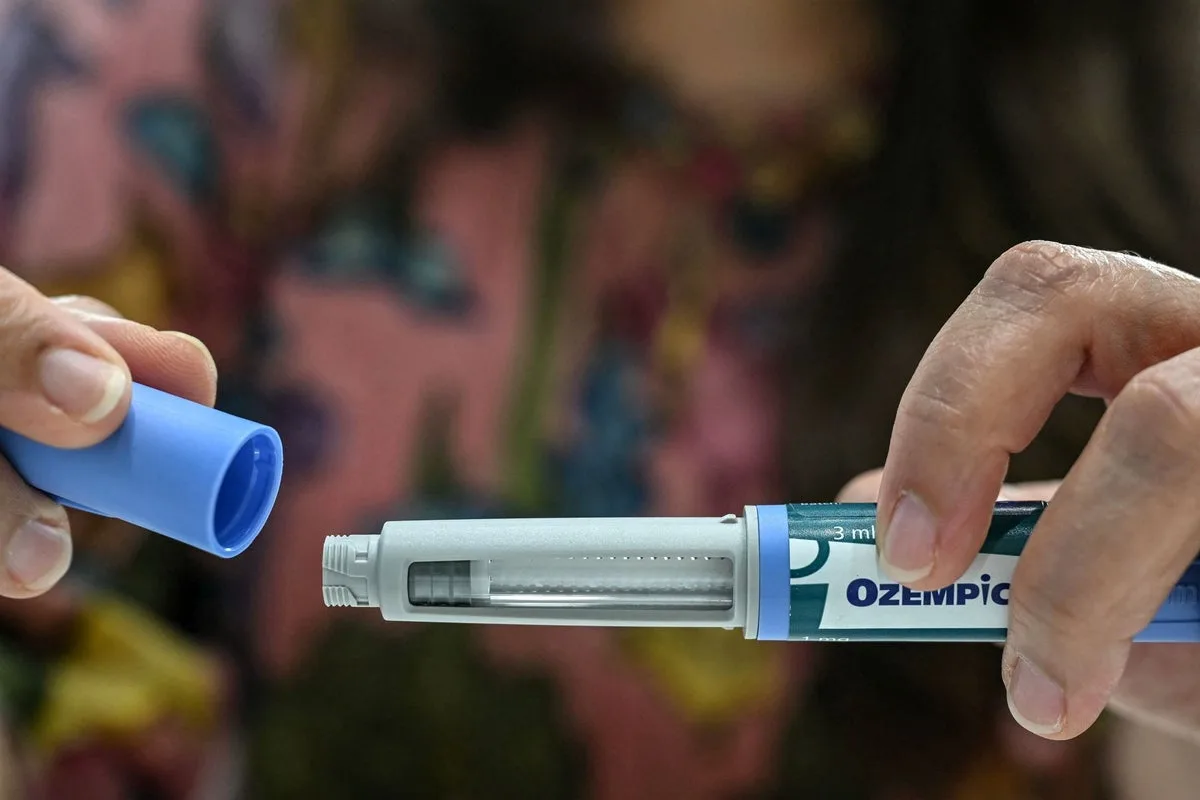
In a remarkable twist of modern consumer trends, the booming popularity of GLP-1 weight loss medications has directly influenced the sale of one of America's most iconic hot sauce brands. The Saavedra family, creators of the beloved Tapatío hot sauce from Los Angeles, made the emotional decision to sell their business this year, capitalising on a national spike in demand for condiments that experts link to the widespread use of drugs like Ozempic.

A Family Legacy Meets a Changing Market

Tapatío's origins trace back more than five decades to founder Jose-Luis Saavedra's kitchen. Originally from Mexico City, Saavedra settled in Southern California and began crafting his thin, red-pepper-based salsa picante. After losing his job at an aerospace parts manufacturer in the 1960s, he turned his popular homemade sauce into a commercial venture, officially launching the business in 1971.

The brand grew steadily over the years, becoming a staple in California and eventually reaching global markets. However, the family began considering a sale in 2024 after the now 97-year-old founder suffered a stroke. His son, Luis Saavedra, who took over operations, found himself overwhelmed by the demands of running the company.

Wide Pickt banner — collaborative shopping lists app for Telegram, phone mockup with grocery list

"Work was really devouring me," Luis Saavedra confessed to the Los Angeles Times. "It was a tough decision, very difficult. We cried together as a family, then we said, 'In the long run, it's better.'"

The GLP-1 Connection: Cravings and Condiments

The timing of the sale coincides with a significant shift in American eating habits driven by GLP-1 drugs. Currently used by approximately 12 percent of the population, these weight loss medications have been shown to increase cravings for stronger flavours, leading to a nationwide surge in hot sauce and condiment consumption.

Jeff Partridge, Chairman of Highlander Partners, the Dallas private investment firm that purchased Tapatío for an undisclosed sum in January, explained the phenomenon: "Whether it's GLP-1 or desire for proteins, Tapatío and hot sauces enhance that experience. Consumers are increasingly seeking flavours."

This trend is further amplified by another dietary shift among medication users: increased protein consumption to prevent muscle atrophy. As more Americans focus on protein-rich diets, particularly chicken, the demand for flavour-enhancing condiments has skyrocketed.

David Ciesinski, CEO of Marzetti Company, which recently purchased Japanese barbecue sauce brand Bachan's, noted this connection explicitly, telling investors that Bachan's was "GLP-friendly" and observing that "chicken tastes like chicken, so it begs for flavour."

New Ownership with Ambitious Plans

Highlander Partners sees significant growth potential in the current market conditions. Eric Beatty, Tapatío's current chief executive, expressed optimism about the brand's future: "We believe that we've got these sector tailwinds behind us. It's going to be a really good story."

The new owners have "grand plans" for expansion, including additional facilities and product lines, according to the Los Angeles Times. Importantly, the Saavedra family retains a minority stake in the company, ensuring their continued involvement in the brand they built.

Partridge emphasised their ongoing importance: "They are the essence of the brand, and really understand the heartbeat of the brand. We certainly want to make sure that they always have a voice."

A Broader Industry Transformation

Tapatío's sale represents just one example of how GLP-1 drugs are fundamentally reshaping the food industry. The condiment sector has experienced particularly dramatic growth as medication users seek to enhance the flavour of their healthier, protein-focused meals.

This trend shows no signs of slowing, with industry analysts closely watching how consumer preferences continue to evolve alongside medication adoption. For now, the combination of medical science and culinary tradition has created an unexpected success story, transforming both eating habits and business fortunes in the process.

Pickt after-article banner — collaborative shopping lists app with family illustration