Netflix's 'Vladimir' Adaptation Muted by Streaming Aesthetics
Netflix's eight-part limited series Vladimir, based on Julia May Jonas's provocative 2022 bestselling novel, explores the solidarity among the accused in the wake of abuse allegations, but its impact is brutally muted by the platform's signature aesthetic. The show, which premiered on Thursday 05 March 2026, stars Rachel Weisz as an unnamed creative writing professor at a semi-rural liberal arts college, whose life is upended by scandal and temptation.
A Professor's Descent into Obsession
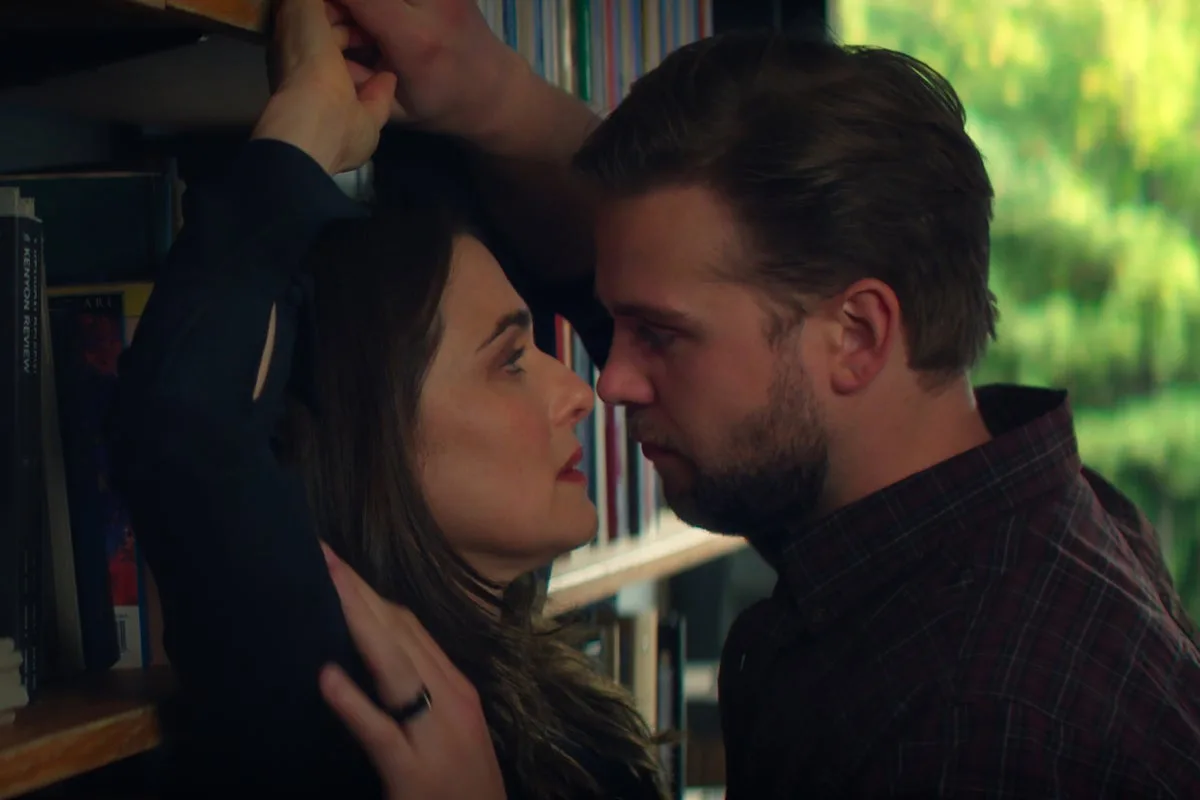
Weisz's character lives with her feckless husband John, played by John Slattery, both academics navigating a mundane existence. Their world shatters when John is accused of multiple affairs with young students and placed on leave pending a hearing. Simultaneously, a new visiting tutor, Vladimir, portrayed by Leo Woodall, arrives with his rippling torso, frosty wife Cynthia, and a toddler, introducing new temptations. "Marriage is hard, divorce is hard," Vladimir tells his colleague, encapsulating the show's exploration of difficult choices.
In this setting, sex remains a constant aspiration and frustration. Weisz laments, "I may not be the cause of a spontaneous erection ever again," yet her libido is undiminished, pushing her further into fantasy. Despite an "arrangement" with John, she stands by him as accusations mount, only to find herself shamed and ostracized by friends and colleagues who judge her solidarity more harshly than his transgressions. This leads her to lean into an obsession with Vladimir, a Tolstoy/Tarzan hybrid in the office next-door.
Post-Woke Ambitions and Cultural Critique
Vladimir positions itself as a "post-woke" drama, challenging preconceptions in an American college environment often seen as an incubator for militant transgenderism. The show contrasts the emotional timidity of today's youth, exemplified by a student coming out as "gynosexual," with the sexual liberation of the 20th century. Weisz reflects, "We were being good anti-establishment radicals," looking back on their open marriage. However, the series feels late to critiquing "snowflakes," with its faux edginess coming across as hackneyed in 2026.
The plot evokes Vladimir Nabokov and recent disgraced professor narratives by authors like JM Coetzee and Philip Roth, but shifts focus to the wife's perspective. John's demise serves as a prop for his wife's disintegration, yet the show's frequent collapse of the fourth wall and Weisz's unlikeable, at times sociopathic, decision-making can be grating. Her chemistry with Woodall is elliptical, but the unhinged ending may test viewers' tolerance.
Netflix Aesthetic Dulls the Edge
The biggest issue facing Vladimir is the imposition of Netflix's aesthetic standard. Packed with contemporary pop hits from artists like Chappell Roan and Doechii, and filmed in a retina-scorching color palette, the show dulls the iconoclastic edge of Jonas's scripts. It raises the question: how would Nabokov have crafted characters like Humbert Humbert under such creative prescriptions? While brisk, easy to watch, and occasionally droll, Vladimir's higher aspirations are brutally muted, leaving it as a visually striking but thematically softened adaptation.