Netflix Spy Series Unfamiliar Sparks Debate on Germany's Intelligence Agency
Netflix's Unfamiliar Sparks Debate on German Intelligence Agency

Netflix's Unfamiliar Captivates Audiences with Fictional Take on German Spy Agency

The Netflix series Unfamiliar has rapidly become a global sensation, amassing more than 20 million views since its release in February. This six-part show features Felix Kramer as Simon Schäfer, part of a husband-and-wife spy duo, and has emerged as one of the most-watched non-English series on the platform in recent months.

Portrayal of a Hapless BND in Fiction

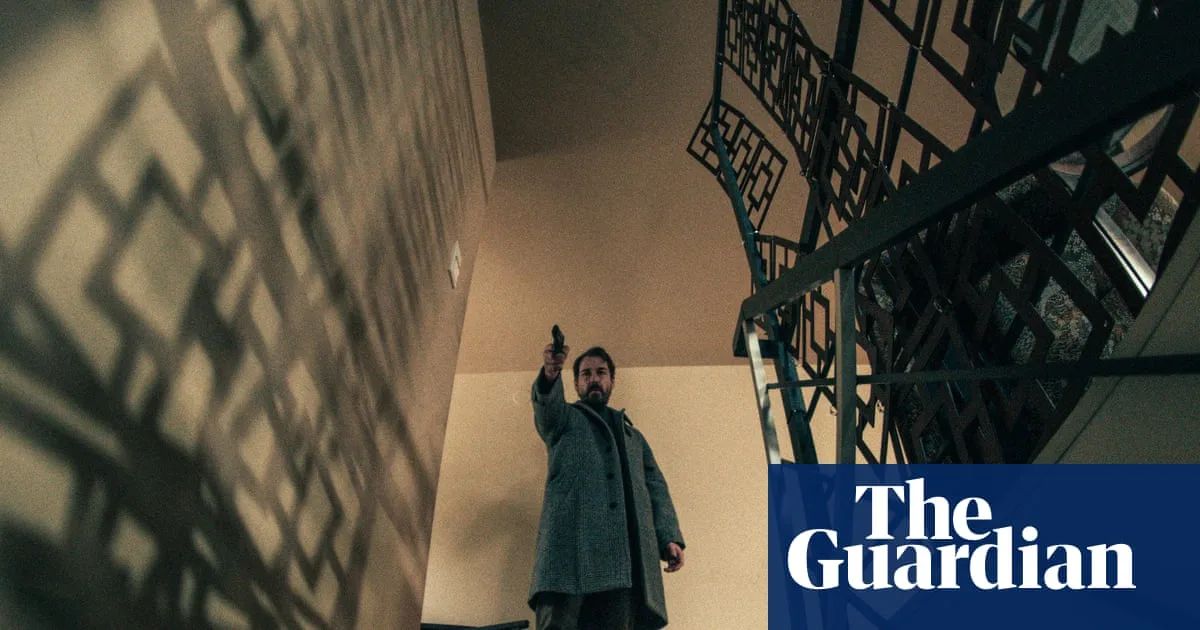
In Unfamiliar, the fictional depiction of Germany's Federal Intelligence Service (BND) stands in stark contrast to its real-world counterpart. The series portrays the agency as slightly hapless, gaffe-prone, and heavily constrained by parliamentary oversight, unlike the more glamorous spy agencies of the United States, Britain, or France. Characters Meret and Simon Schäfer, played by Susanne Wolff and Felix Kramer, are former BND agents who run a secret safe house in Berlin, but their past secrets resurface with the arrival of a Russian GRU agent.

The show revels in creative spy tactics, such as hacking into dashcams and using facial recognition software, methods that would clash with Germany's stringent data protection laws in reality. This portrayal highlights the agency's perceived limitations and has sparked discussions about its effectiveness.

Real-World Calls for Expanding BND Powers

Coinciding with the series' release, there are growing calls in Germany to roll back postwar restraints on the BND. Faced with threats like Russian hybrid warfare and a fracturing alliance with the US, the government under Friedrich Merz has increased the agency's budget by approximately 26% to €1.51 billion this year. Proposed legislative changes, expected to be debated in parliament this autumn, aim to grant the BND new powers, including active retaliation against cyber-attacks and extended use of surveillance technologies.

Currently, the BND's activities are limited to information collection through human sources and wiretaps, a legacy of its origins in the post-World War II era to prevent excessive power concentration. Historical fears over a restrengthened Germany and former Nazi involvement have shaped these strict regulations.

Historical Context and Modern Challenges

The BND's history is marked by notable incidents, such as the extraction of its former chief from Kyiv during Russia's invasion of Ukraine and past infiltration by spies like Heinz Felfe. These events underscore real-world incompetence and vulnerabilities that mirror the fictional critiques in Unfamiliar. The series' British scriptwriter, Paul Coates, noted the need to adapt to Germany's unique spycraft rules, which differ significantly from those in the UK.

While Unfamiliar may modernise the public's image of the BND, it also relies on the agency's reputation for unreliability to build suspense, featuring plotlines about moles and espionage failures. Producer Andreas Bareiss describes Berlin as becoming "a place for spies again," evoking a new cold war atmosphere.

Overall, Unfamiliar not only entertains but also fuels a critical conversation about the future of Germany's intelligence capabilities in an increasingly complex global landscape.