BBC Removes Bafta 2026 Ceremony from iPlayer After Racial Slur Controversy
The BBC has taken down the Bafta 2026 awards ceremony from its iPlayer streaming service after broadcasting a racial slur shouted by an audience member with Tourette's syndrome. The incident has ignited a fierce debate over broadcasting standards and the handling of involuntary tics associated with neurological conditions.
Incident Details and Immediate Fallout
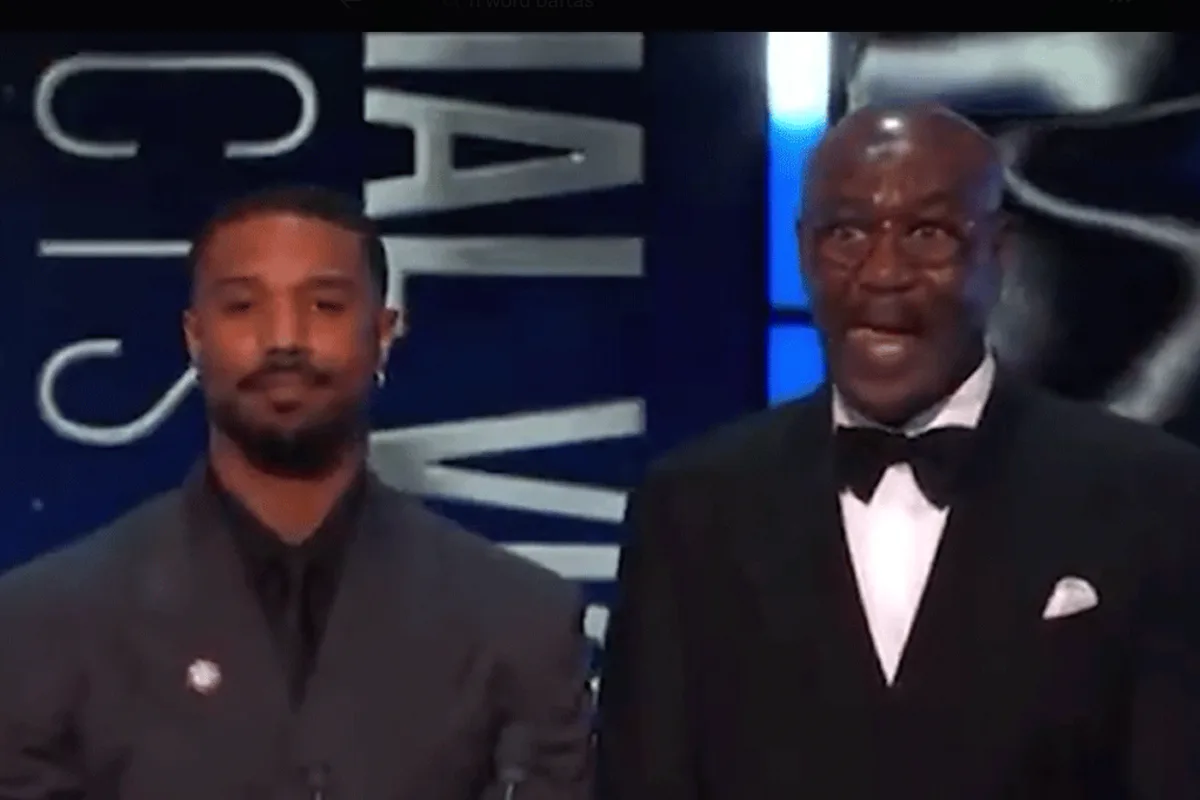
The controversy unfolded on Sunday, 24 February 2026, at London's Royal Festival Hall during the Bafta Film Awards. As actors Delroy Lindo and Michael B Jordan presented the award for special visual effects, Tourette's activist John Davidson, who was in attendance, involuntarily shouted the N-word. The ceremony had been available on iPlayer until 11am on Monday, 23 February, but was removed shortly after the BBC issued an apology for the "strong and offensive language." At present, the site redirects viewers to a holding page with the ceremony listed as "coming soon."
The BBC stated in a release: "Some viewers may have heard strong and offensive language during the Bafta Film Awards. This arose from involuntary verbal tics associated with Tourette syndrome, and was not intentional. We apologise for any offence caused by the language heard." The corporation confirmed it would re-add the ceremony to iPlayer after editing out the slur, acknowledging that it should have been removed prior to broadcast.
Reactions from Tourette's Groups and Public Debate
The decision to air the slur has drawn criticism from Tourette's advocacy organisations, who argue that the BBC should have bleeped it out. Ed Palmer, vice chairman of Tourettes Action, commented on Times Radio, stating: "This is really one of the most acute examples of where something that is a disability can cause quite understandably huge amounts of offence to someone. If it's being pre-recorded now, then bleeping it out, for example, might be a reasonable compromise."
Palmer emphasised the need for compassion, noting that such tics are involuntary and not reflective of a person's beliefs. A spokesperson for the charity added: "People with Tourette's can say words or phrases they do not mean, do not endorse and feel great distress about afterwards. These symptoms are neurological, not intentional." They described the backlash as "deeply saddening" and revealed that Davidson left the ceremony early but returned to celebrate Robert Aramayo's Best Actor win for the film I Swear, which chronicles Davidson's life.
Ceremony Context and Broader Implications
During the event, presenter Alan Cumming addressed the issue, explaining Tourette's syndrome and referencing I Swear. He said: "You may have heard some strong and offensive language tonight. If you have seen the film I Swear, you will know that film is about the experience of a person with Tourette syndrome. Tourette syndrome is a disability and the tics you have heard tonight are involuntary, which means the person who has Tourette syndrome has no control over their language. We apologise if you were offended."
Davidson, a vocal ambassador for Tourette's and an MBE recipient in 2019 for his advocacy, has been open about his condition since his teenage years, documented in the 1989 BBC documentary John's Not Mad. While attendees were informed about his Tourette's before the broadcast, this context was omitted from the televised version, leaving home viewers confused by the disturbances.
Tourette's is a neurological condition characterised by motor and vocal tics, with a small subset experiencing coprolalia, which involves involuntary cursing or inappropriate remarks. Researchers classify this as a complex vocal tic, not intentional speech, often causing distress to the individual.
Additional Ceremony Highlights and Ongoing Scrutiny
Elsewhere at the Baftas, director Ryan Coogler made history as the first black winner of the award for best original screenplay for his film Sinners, which also earned accolades for best supporting actress for Wunmi Mosaku and original score. The incident has prompted calls for greater sensitivity in broadcasting, with Bafta, Tourette Scotland, Lindo, and Jordan all approached for comment. The BBC's handling of the situation continues to be scrutinised as it balances disability awareness with content standards.