The Monarchy's Multi-Million Pound Retail Machine
Nestled within the ancient grounds of Windsor Castle lies what might be the world's oldest operational coffee shop. The Undercroft Café occupies a cellar originally constructed by Edward III around 1350, just as the devastating Black Death was beginning to recede after claiming half of England's population. This remarkable space features a magnificent vaulted ceiling that has witnessed centuries of history.
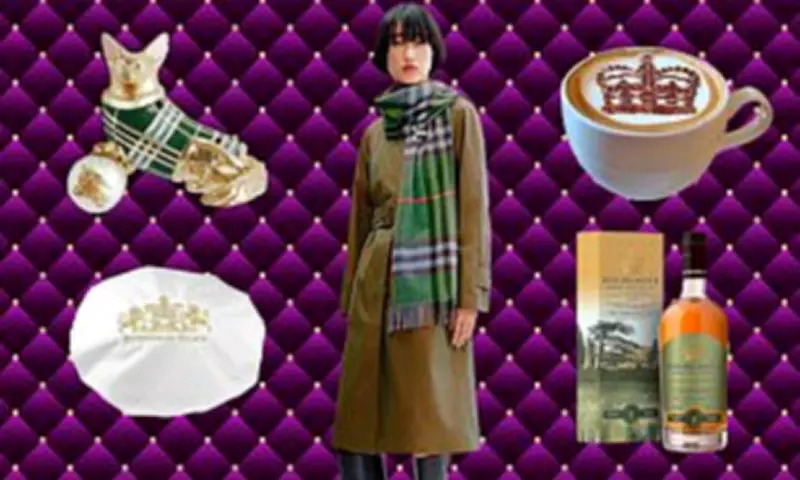
Here, visitors can purchase a cappuccino for £4.40, complete with chocolate powder artfully arranged in the shape of a royal crown. This transaction represents just one small part of a much larger commercial enterprise operated by the monarchy. Before even reaching the café, visitors have typically paid £32 for admission to the royal residence, meaning His Majesty has already collected £36.40 from each coffee-drinking guest.
The Royal Gift Shop Phenomenon
Conveniently positioned along the exit route from The Undercroft stands a royal gift shop offering hundreds of licensed souvenirs, many prominently marked with the declaration: 'Copyright His Majesty King Charles III 2025'. This represents just one node in an extensive retail network that includes three additional shops within Windsor Castle, four at Buckingham Palace, one at Holyroodhouse in Edinburgh, and a comprehensive online store offering worldwide shipping.

The merchandise ranges from what might charitably be described as 'tasteful tat' to genuinely luxurious items. Recent additions include a collaborative four-piece capsule collection with British heritage brand Burberry, launched to commemorate what would have been Queen Elizabeth II's centenary. This limited-edition collection features a £2,190 gabardine belted car coat with holly-green silk lining, a £435 checked cashmere scarf, and a particularly eye-catching £395 gold-plated corgi brooch.
From Shower Caps to Single Malt
The variety of royal merchandise available is astonishing in its breadth. At Buckingham Palace's largest shop, visitors encounter a sophisticated jewellery counter dominated by enormous photographs of the King and Queen wearing matching crowns, alongside an image of Catherine, Princess of Wales modelling an extravagant diamond necklace. Available items span from a £220 Gold Hematite and White Pearl Collar down to £30 hair clips.
Elsewhere in the palace complex, one can find Balmoral brand 1978 single malt whisky ('tasted by The King' before bottling) priced at £3,200 per bottle, a £2,200 royal-blue handbag by Launer (the late Queen's preferred brand), and an £80 Queen Elizabeth II Centenary Teacup & Saucer set. More modest offerings include a Buckingham Palace 'luxury shower cap' (£8.95), various fridge magnets (£6), a God Save The King cooking apron (£19.96), Buckingham Palace guardsman stuffed bears (£20), Balmoral honey (£10), and crown-stamped wooden egg cups (£4.96).
International Comparisons and Ironies
This level of commercialisation stands in stark contrast to other monarchies and historical institutions worldwide. The Swedish, Danish, Dutch and Spanish royal families maintain official gift shops, but on a significantly smaller scale. The Vatican operates low-key, tasteful retail outlets, while the White House Historical Association shop (established in 1961 by Jacqueline Kennedy) functions as a non-profit organisation selling primarily American-made products.
The Kremlin Museums gift shop notably avoids merchandise featuring Lenin, Stalin, or Putin, instead offering Peter the Great brooches for approximately £3.31. France's Élysée Palace shop, controversially opened by President Macron in 2018, sells exclusively French-made goods.
Perhaps the most striking irony of the royal souvenir business concerns manufacturing origins and consumer demographics. Much of the merchandise, particularly the lower-priced items, originates from China. Meanwhile, Chinese tourists have emerged as the most enthusiastic purchasers of these goods, often outnumbering even American visitors. At Chinese restaurants near Windsor Castle, groups of fifty or more Chinese tourists frequently carry bags of royal souvenirs destined to return to their country of manufacture.

Beyond the Gift Shops
The monarchy's commercial interests extend well beyond souvenir retail. In 1990, then-Prince Charles established Duchy Originals, now operating as Waitrose Duchy Organic, which reported profits of £3.6 million in 2021. At his Highgrove estate, another enterprise simply called Highgrove sells various Charles-branded products ranging from signed lithographs of the King's paintings (£3,500) to jars of organic mustard (£5.95).
It's important to note that profits from Royal Collection Trust shops—officially termed 'surplus' since the organisation operates as a charity—do not directly enrich the royal family. The £14 million generated in 2025 contributes to maintaining the Royal Collection, including conservation of priceless artworks by masters like Holbein and Canaletto. According to the 2025 review, over half of the charity's £90 million income from 2024-25 was allocated to access and conservation costs.
The Wealth Behind the Crown
This commercial activity occurs against the backdrop of substantial royal wealth accumulated through inheritance. Expert analysis suggests King Charles's personal fortune approaches £1.8 billion, while Prince William's wealth is estimated at around £1 billion. The Crown Estate—encompassing palaces, estates, duchies, collections, livestock, villages, coastline, seabed, and even petrol stations like the Barthomley Service Station on the M6—represents assets valued at approximately £160 billion.
Observers note that the late Queen and her father would likely have found such overt commercialism embarrassing. Yet on a typical wet Thursday in Windsor, as groups of Chinese schoolchildren in orange rain capes march toward the castle gates after lunch at the nearby Yangtze restaurant, eager to spend their pocket money on royal knick-knacks, the business acumen of what some might call 'Kerching Charles III' becomes unmistakably evident to all who care to look.