Princess Anne's Historic Fashion Moment at Windsor Castle Banquet
Princess Anne has long been celebrated for her sustainable approach to royal fashion, earning the affectionate nickname 'Queen of Royal Recycling' for her practice of re-wearing outfits decades apart. However, her appearance at a state banquet on Wednesday evening truly cemented this reputation, as the Princess Royal arrived in St George's Hall wearing a cream-coloured coat that made its debut an astonishing 57 years ago.
A Garment With Remarkable History
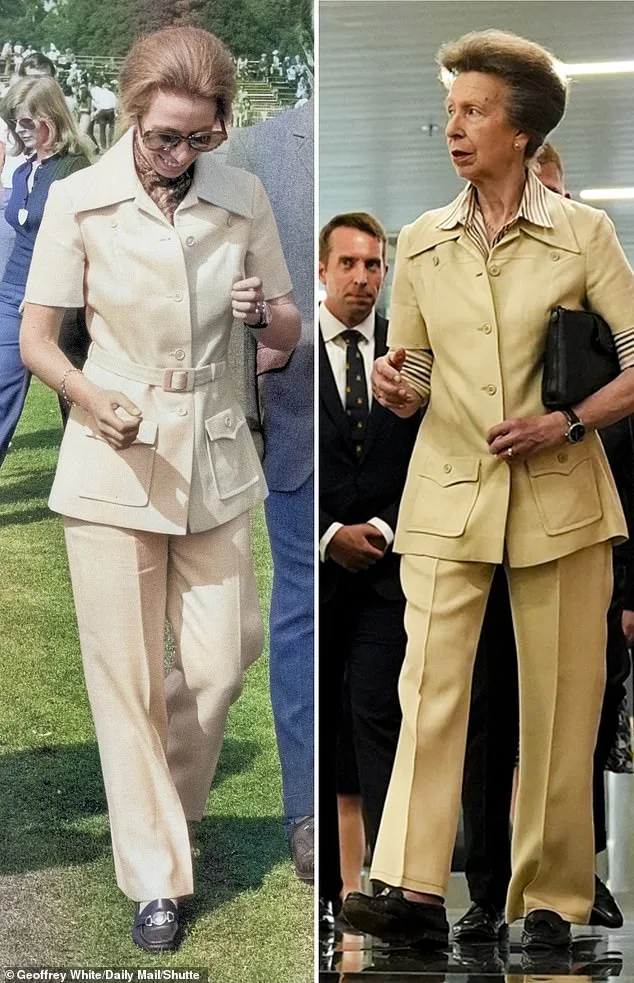
The 75-year-old princess selected the floor-length, cream-coloured coat for the banquet at Windsor Castle, hosted by King Charles III to honour the first Nigerian state visit in nearly four decades. Sharp-eyed royal enthusiasts quickly identified the garment as the same one worn by an 18-year-old Princess Anne in June 1969, when she attended the London premiere of the film Run Wild, Run Free.
While minor alterations are evident when comparing photographs from the two occasions, this is entirely consistent with royal tailoring practices. The royal family frequently employs dressmakers to update and refresh pieces from their wardrobes, and they had nearly six decades to refine this particular coat.
Notable changes include the collar, which originally featured an intricate pattern of concentric circles but now appears with a more traditional shape and plain material. As a teenager, Princess Anne wore the coat open, revealing a patterned underlayer at both the collar and lower hem. During Wednesday's banquet, the coat remained closed, leaving the current status of that decorative underlayer a mystery.
Consistent Design Elements Across Decades
One unmistakable feature that has remained consistent is the distinctive sleeve design, which retains the circular pattern seen elsewhere on the original 1969 garment. This attention to preserving key design elements while updating others demonstrates the careful balance between tradition and modernization that characterizes royal fashion conservation.
Princess Anne has repeatedly returned to her favourite coats, dresses, hats, and handbags throughout her public life. On some occasions, she recreates entire ensembles, complete with matching jewellery and footwear. Other notable examples of her sustainable fashion philosophy include a turquoise dress first worn during the 1978 state visit of President Khama of Botswana when she was 26, which has reappeared at events including Royal Ascot in 2013 and a visit to Dubai in 2024.
Similarly, a lilac coat made at least six appearances at royal engagements between 1982 and 2004. The princess has directly addressed her approach to fashion, stating: 'A good suit goes on for ever. If it is properly made and has a classic look, you can wear it ad infinitum. The economy was bred into me.'
Regal Splendour Throughout the Banquet
While Princess Anne made fashion history with her vintage coat, Princess Catherine created her own stunning impression in a flowing green evening gown by designer Andrew Gn. She accessorized with her favourite Lover's Knot Tiara and earrings that previously belonged to Queen Elizabeth II, radiating warmth as she took her seat between Nigerian President Bola Ahmed Tinubu and another member of his delegation.
The Prince of Wales complemented the occasion in traditional white tie attire with the Windsor tail coat, wearing his Most Noble Order of the Garter Sash with the 'Lesser George' insignia. Queen Camilla selected a cream embroidered gown by Fiona Clare, paired with a sapphire and diamond tiara and matching earrings that were originally part of Queen Elizabeth II's collection, gifted by her father King George VI as a wedding present.
King Charles III led the procession into the banquet hall wearing an impressive array of diamond-studded orders and delivered a formal speech to the assembled guests. The event represented the culmination of President Tinubu's two-day visit to the United Kingdom, with his wife First Lady Oluremi Tinubu joining him among the British royal family.
An Elaborately Prepared Setting
St George's Hall provided a magnificent backdrop for the occasion, with a 155-foot dining table running its entire length. The table featured sweet-smelling spring flowers gathered from local sources, illuminated by 143 candles that created a warm, atmospheric glow. Preparations began on Monday morning, with final touches completed just hours before guests arrived—an understandable timeline given the staggering inventory of 960 knives and forks and 62 pepper pots required for the 160 invited attendees.
Notable Nigerian guests included author Sir Ben Okri, artist Yinka Shonibare, footballer Eniloa Aluko, singer Tiwa Savage, presenter Ade Adepitan, athlete Christine Ohuruogu, and Diana Awards chief Tessie Ojo. Prime Minister Keir Starmer and England rugby captain Maro Itoje, whose family originates from Nigeria, also attended the prestigious event.
Thoughtful Accommodations and Symbolic Toasts
In his address, King Charles extended wishes of 'peace, blessings and an abundance of joy' to his guests during the holy month of Ramadan. He highlighted that Nigeria became the United Kingdom's largest export market in Africa this January and praised the UK's substantial Nigerian diaspora, describing it as 'a living bridge of over half a million people who connect our nations… and help make our cultures richer, our shared security stronger and our economies more prosperous.'
The King acknowledged that 'chapters in our shared history that I know have left some painful marks' but emphasized that 'history is not merely a record of what was done to us - it is a lesson in how we go forward together to continue building a future rooted in growth and hope for all.' He concluded his speech with the Nigerian phrase 'Naija No Dey Carry Last' (Nigerians Never Come Last), which was met with enthusiastic cheers from attendees.
Special accommodations were made for Muslim guests observing Ramadan, including designated prayer areas and provisions for Iftar. For the first time in living memory, the royal household served canapés at the pre-banquet reception to allow fasting guests to break their fast earlier, recognizing that the formal meal would not begin until after speeches concluded around 9pm.
While President Tinubu toasted with orange juice, a special non-alcoholic cocktail called the Crimson Bloom was created for the occasion. Based on the traditional African cocktail known as The Chapman, it featured Zobu (a traditional West African soft drink), English rose soda, homemade hibiscus and ginger syrup, lemon, and subtle spices. English sparkling wine was available for toasts among those consuming alcohol, and the menu thoughtfully excluded meat dishes.