King Charles and Queen Camilla Honour Holocaust Survivors at Buckingham Palace Reception
King Charles and Queen Camilla marked Holocaust Memorial Day today with a deeply moving reception at Buckingham Palace, where they hosted survivors and their families for a ceremony of remembrance. The royal couple lit candles in tribute and shared personal moments with those who endured the horrors of Nazi persecution.
A Day of Tribute and Remembrance
Holocaust Memorial Day is observed annually on January 27th, the anniversary of the liberation of the Auschwitz-Birkenau concentration camp in Poland. The day commemorates the six million Jewish people murdered during the Holocaust, along with millions of other victims of Nazi persecution. Last year, King Charles made history as the first British monarch to visit Auschwitz-Birkenau, marking 80 years since its liberation.
Today's event at Buckingham Palace brought together Holocaust survivors, their relatives, and representatives from organisations dedicated to preserving the memory of the Holocaust. The theme for this year's commemoration is "Bridging Generations", emphasising the importance of passing on lessons from history to younger people.

Personal Encounters with Survivors
The King began the reception in the East Wing, where guests viewed portraits of survivors commissioned by Charles in 2022 when he was the Prince of Wales. He was first greeted by 98-year-old Helen Aronson, a survivor of the Lodz ghetto in Poland. In a tender moment, Charles bent to kiss her in her wheelchair, and she grasped his hand, asking how he was. "All the better for seeing you," he replied warmly.
Other survivors in attendance included:
- Rachel Levy, 95, a survivor of the Bergen-Belsen concentration camp.
- Anita Lasker-Wallfisch, a celebrated cellist who survived Auschwitz and Bergen-Belsen by playing in the camp's orchestra.
- Arek Hersh, 97, an Auschwitz survivor who campaigns for the Holocaust Educational Trust.
- Max Snijders, who travelled from his care home in Amsterdam for the event.
Charles had previously visited Anita at her north London home for her 100th birthday last July. She reminded him of his passion for the cello in his youth, to which he responded, "I did – and I've added a lot of orchestras since."
Connecting Across Generations
The reception also included relatives of survivors who have passed away, highlighting the intergenerational impact of the Holocaust. Charles met Shary and Rafi Goldberg, the widow and son of Manfred Goldberg, a survivor of the Stutthof camp in Poland who died last year after a lifetime of campaigning for Holocaust awareness.
In a particularly sweet moment, the King was introduced to two-year-old Zigi Harrod, the great-grandson of the late Zigi Shipper, another Stutthof survivor. As Charles approached, Zigi called out, "Where's the King?" and presented him with his toy monkey, Fergus. Standing before Zigi's portrait, Lorraine Lawrence, the survivor's daughter, remarked that those no longer alive should be with them today. Charles responded poignantly, "They are in spirit."
Candle Lighting Ceremony
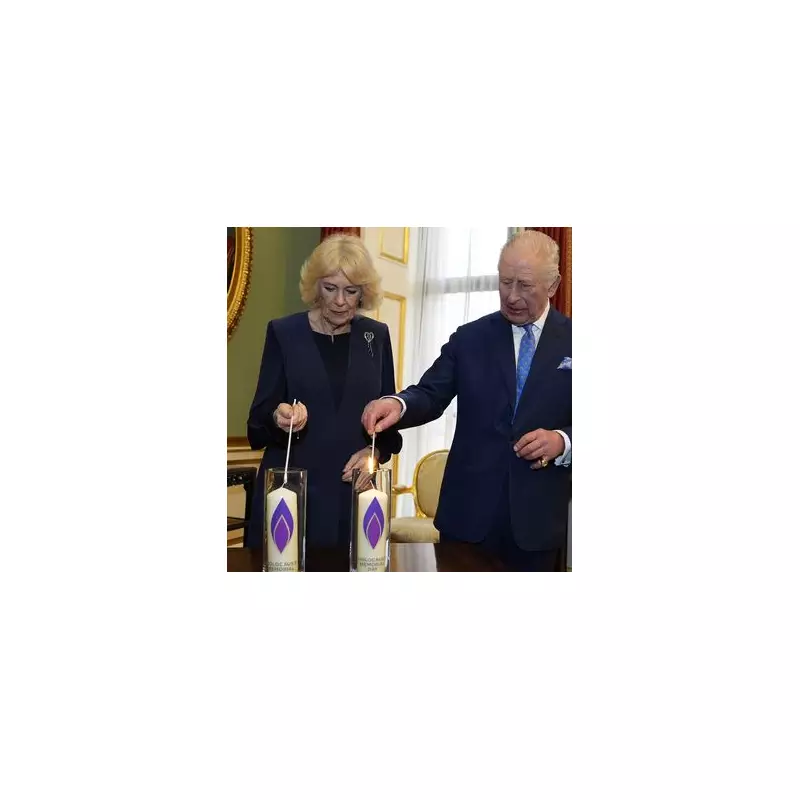
King Charles and Queen Camilla then moved to the palace's Centre Room to light two candles in an act of remembrance. They were handed lit tapers by Rachel Levy, though Camilla briefly dropped hers on the carpet, prompting a light-hearted giggle while Charles remained composed.
The Centre Room also hosted representatives from royal patronages working to educate future generations, including:
- The Holocaust Memorial Trust
- Young ambassadors from the Anne Frank Trust UK
- The Holocaust Educational Trust
Chatting with Arek Hersh, Queen Camilla joked, "You never get any older!" reflecting their previous meetings. Charles also ensured Max Snijders felt welcomed, telling him, "I hope we looked after you."
This heartfelt event underscored the ongoing commitment to honouring Holocaust survivors and ensuring their stories are never forgotten, bridging generations through memory and education.