Monarchs Lead Solemn Holocaust Memorial Day Commemorations at Palace
In a deeply moving ceremony at Buckingham Palace, King Charles III and Queen Camilla met with Holocaust survivors to mark Holocaust Memorial Day, the anniversary of the liberation of the Auschwitz-Birkenau concentration camp in 1945. The royal couple participated in a poignant reception, viewing portraits of seven survivors and joining together to light candles of remembrance as a symbol of hope for future generations.
Portraits of Resilience and Remembrance
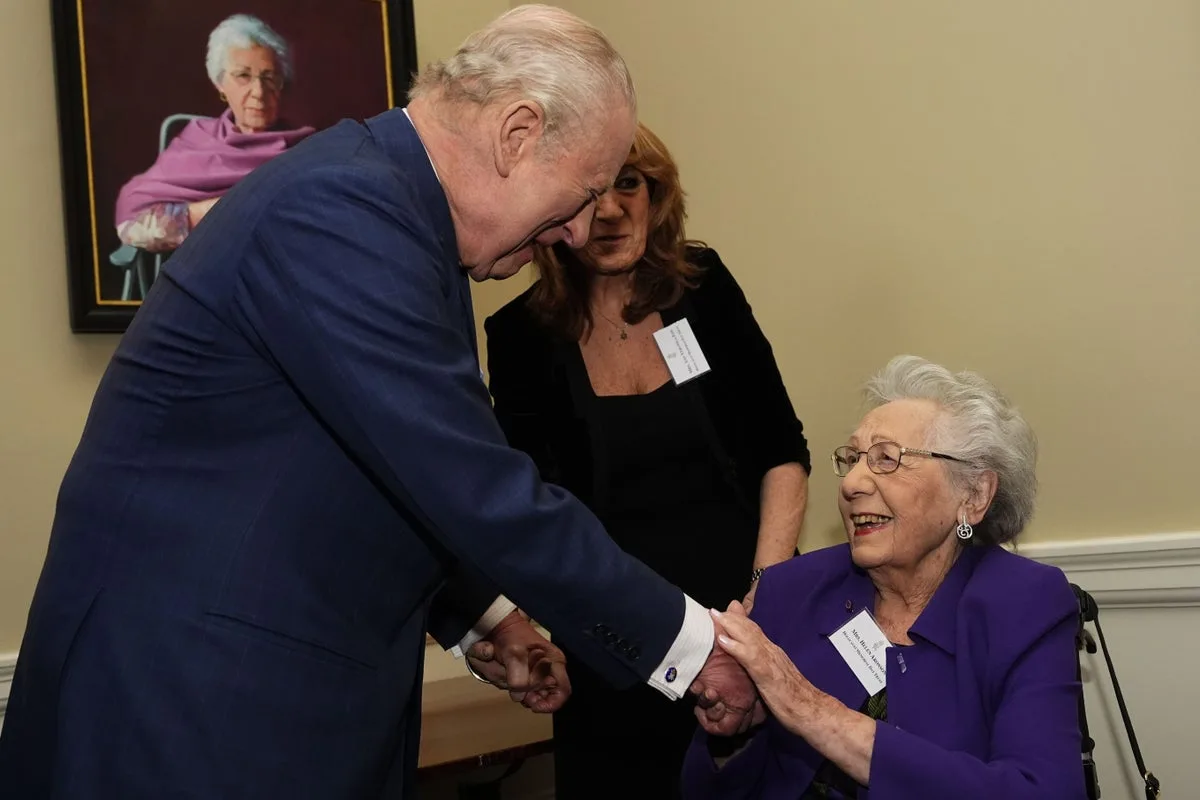
Charles viewed a series of portraits commissioned during his time as the Prince of Wales, including one of Helen Aronson, aged 98, who was among only approximately 750 individuals liberated from the Lodz Ghetto in Poland out of 250,000 people sent there. Ms Aronson described her portrait, created by artist Paul Benney, as "wonderful" during her conversation with the King. She was just twelve years old when German forces arrived at her family home; while her mother and brother survived alongside her, her father was tragically murdered at the Chelmno extermination camp.
The daughter of survivor Zigi Shipper, Lu Lawrence, expressed her wish that her father, who passed away in 2023, could have attended the reception to see his portrait displayed. Charles responded compassionately, stating "They are in spirit" regarding survivors who have died. Mr Shipper, who lived to 93, endured the Lodz ghetto, Auschwitz-Birkenau, the Stutthof concentration camp, and a death march, where he was aided by fellow survivor Manfred Goldberg, also honoured in a portrait at the palace.
Personal Connections and Lasting Legacies
Charles also met Mr Shipper's great-grandson, two-year-old Zigi Harrod, named in his honour, who showed the King his toy monkey named Fergus and greeted him warmly. The King described centenarian Anita Lasker-Wallfisch as "wonderful" for attending the reception to view her portrait. Ms Lasker-Wallfisch, now 100, played the cello in the orchestra at Auschwitz and survived for nearly a year before being moved to Bergen-Belsen with the advance of Russian troops; she is the last remaining survivor of the Women's Orchestra of Auschwitz.
Reflecting on their long-standing connection, Charles noted to Ms Lasker-Wallfisch that it had been around twenty years since they first met, bonding over their shared instrument. Her daughter, Maya Lasker-Wallfisch, told the King that his visit to their London home for her mother's 100th birthday last summer was the highlight of the family's celebrations, describing it as "so intimate and memorable."
Acts of Remembrance and Symbolic Gestures
Nicola Cobbold, chairwoman of the Anne Frank Trust UK, presented the King and Queen with a painting titled Anne Frank: Resistance, a collage featuring excerpts from her diary. Survivor Rachel Levy then handed taper candles to the royal couple, who lit candles from the Holocaust Memorial Trust as an act of remembrance and a beacon of hope for the future. Ms Levy, also portrayed in one of the portraits, survived Auschwitz-Birkenau and Bergen-Belsen, later moving to Northern Ireland after the war before rebuilding her life in London.
During the reception, Charles and Camilla engaged with youth ambassadors and charity workers, including Holocaust Memorial Day Trust chief executive Olivia Marks-Woldman and its chairman Sir Sajid Javid. The Queen conversed with survivors such as Arek Hersh, a 97-year-old resident of Leeds who survived the Lodz Ghetto, was sent to Auschwitz-Birkenau as an agricultural labourer in 1944, endured a death march to Buchenwald and Terezin where he was liberated, and came to the UK as a child survivor in 1945.
This solemn event underscored the enduring importance of Holocaust education and remembrance, with the monarchs playing a central role in honouring the courage and resilience of survivors while ensuring their stories continue to inspire future generations.