David Dimbleby's BBC series probes monarchy's power, finances, and one major omission
Dimbleby's monarchy series: Power, finances, and a glaring omission

Veteran broadcaster David Dimbleby presents a penetrating and even-handed examination of the British monarchy's purpose, power, and purse in his new BBC One series. 'What's the Monarchy For?' drills into the institution's complex relationship with public support, its substantial finances, and the subtle ways it wields influence. However, the comprehensive survey contains one significant and telling omission regarding a pivotal royal event.

Dimbleby's Pragmatic Probe into Power and Money

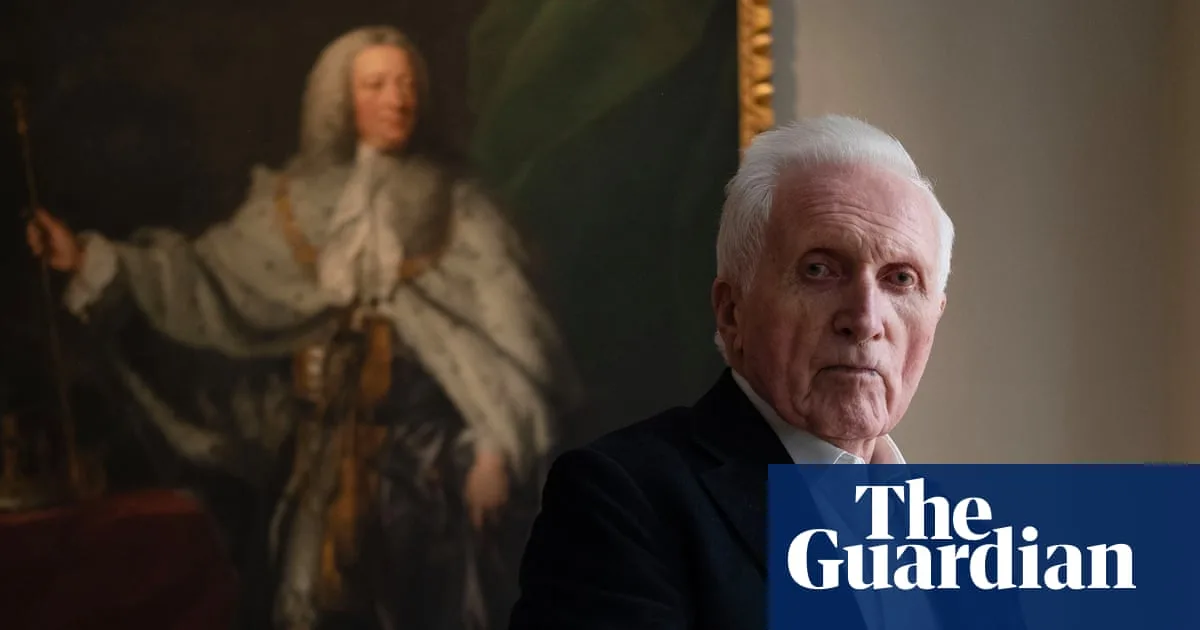
At 87, David Dimbleby brings decades of experience covering state events to this three-part investigation. He positions himself as neither a staunch royalist like his late father Richard, nor a republican, but as a pragmatist. His central question is whether the monarchy retains its usefulness and the consent of the people.

The documentary does not shy away from the institution's financial arrangements and legal privileges. Dimbleby presses former Chancellor George Osborne on the 'ratchet' system governing the Sovereign Grant, which ensures the royal income from the Crown Estate can increase but never decrease. The series also highlights the mysterious practice of 'monarch's consent', a power dating to the 1970s under Prime Minister Ted Heath, which allows the palace to exempt itself from certain legislation.

Furthermore, Dimbleby explores the lack of transparency surrounding the royal family's vast assets. The programme notes there is no official public inventory of paintings and other items held by the Crown, valued at least £1.2 billion, blurring the lines between what they own personally and what is held in trust for the nation.

Image Crafting and Televised Milestones

Dimbleby expertly analyses key moments in the modern monarchy's media history, demonstrating how image is carefully managed. He revisits the rarely seen 1969 documentary 'The Royal Family', now effectively locked away by the palace. He also dissects the 1994 interview where Prince Charles confessed adultery to Dimbleby's brother, Jonathan, and the disastrous 2019 Newsnight appearance by Prince Andrew.

The series shows how even seemingly casual interactions are stage-managed. Dimbleby scrutinises a meeting between Prince William and Canadian comedian Eugene Levy, where the future king arrived on an electric scooter and made calculated references to his late grandmother. Dimbleby picks up on William's seemingly offhand but loaded comment that 'change is definitely on my agenda', questioning what such 'dangerous' words might mean for the reign of his father, King Charles.

The Glaring Omission: Diana's Panorama Interview

Despite its broad scope, the series makes a conspicuous and deliberate omission. It completely excludes any mention or clip of the 1995 BBC Panorama interview given by Diana, Princess of Wales to Martin Bashir. Watched by an estimated 200 million people globally, the interview was a seismic event in which Diana famously said, 'There were three of us in that marriage.'

Though the interview's legitimacy has been tarnished by the subsequent scandal over Bashir's methods, Dimbleby is not permitted to use any footage. This absence, the programme suggests, is itself powerful evidence of the Windsor family's enduring influence—likely spearheaded by Prince William—in shaping their narrative and erasing uncomfortable history, even within the BBC.

The omission underscores Dimbleby's broader point about the monarchy's 'invisible power'. He hints at the secret dealings between the King and his ministers and the century-long intertwined relationship between the palace and the BBC, suggesting an institution that continues to carefully curate its story and protect its position.