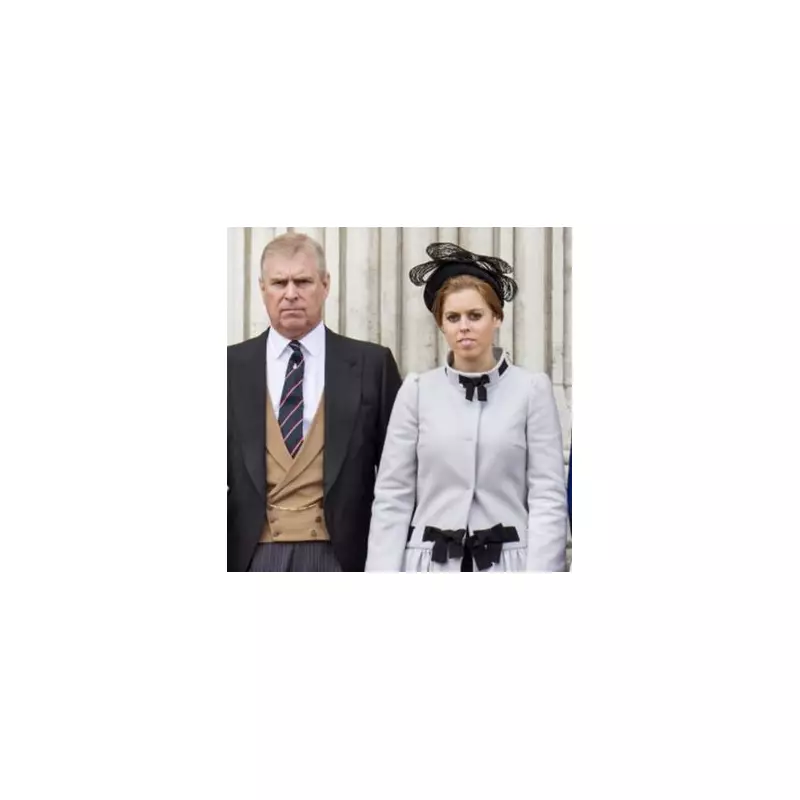
The ongoing scandal surrounding Prince Andrew has reportedly left his daughters, Princesses Beatrice and Eugenie, feeling emotionally drained as they navigate the fallout from their father's dramatic fall from grace. This situation underscores a recurring theme in royal history, where female members of the monarchy have often borne significant burdens amidst public scrutiny and family turmoil.
The Weight of Royal Life
Royal commentator Katie Nicholl emphasises that life within the royal family, often referred to as The Firm, involves substantial sacrifices despite its privileges. "They live in a goldfish bowl, and one of the biggest sacrifices of all is that the world sees their every move," she notes. This delicate balance between public duty and private existence was starkly illustrated when the Princess of Wales announced her cancer diagnosis in March 2024, facing immense pressure while managing personal health challenges.
Andrew's Downfall and Its Impact
Prince Andrew and his ex-wife Sarah Ferguson were stripped of their Duke and Duchess of York titles last year amid the Jeffrey Epstein scandal. Although Andrew denies any wrongdoing, the couple was also ordered to leave Royal Lodge in Windsor. While Beatrice and Eugenie retain their princess titles, the emotional toll is profound. ITV News Royal Editor Chris Ship explains, "Obviously they shouldn't be held responsible for their father's missteps, but it must still be emotionally draining for them to see how he has been humiliated and had his reputation completely torn to shreds right across the world."

Historical Precedents of Royal Strain
The challenges faced by Beatrice and Eugenie are not isolated incidents in royal history. The late Queen Elizabeth II famously described 1992 as her "annus horribilis," a year marked by Windsor Castle fire, marital breakdowns including those of Prince Charles and Princess Diana, and Prince Andrew and Sarah Ferguson. Similarly, Queen Elizabeth faced criticism after Princess Diana's death in 1997, with her initial response perceived as cold, though she was prioritising family care for Princes William and Harry.
Resilience and Recovery
Other royal women have demonstrated remarkable resilience. Queen Camilla endured years of public vilification following Diana's 1995 Panorama interview, where she was implicated in the marriage breakdown. "It was horrid. It was a deeply unpleasant time and I wouldn't want to put my worst enemy through it," she later reflected. Despite this, her popularity has since soared, and she played a crucial role in maintaining royal duties during recent family health crises.
Princess Diana herself faced immense personal struggles, including mental health issues and loneliness, yet her openness helped modernise the monarchy. "When Diana found her voice, she wasn't afraid to use it," says Katie Nicholl, highlighting how her honesty influenced subsequent generations, including her sons' advocacy for mental health awareness.
Legacy and Future Challenges
Historical parallels extend to figures like Princess Margaret, whose romance with Peter Townsend was thwarted due to royal protocol, leading to personal sacrifice. Chris Ship draws comparisons to Prince Harry and potentially Princess Charlotte, noting the difficulties of being a "spare" heir without a defined role. As Beatrice and Eugenie cope with their father's scandal, they join a lineage of royal women who have weathered storms with fortitude, shaping the monarchy's evolving legacy amidst ongoing public and private trials.