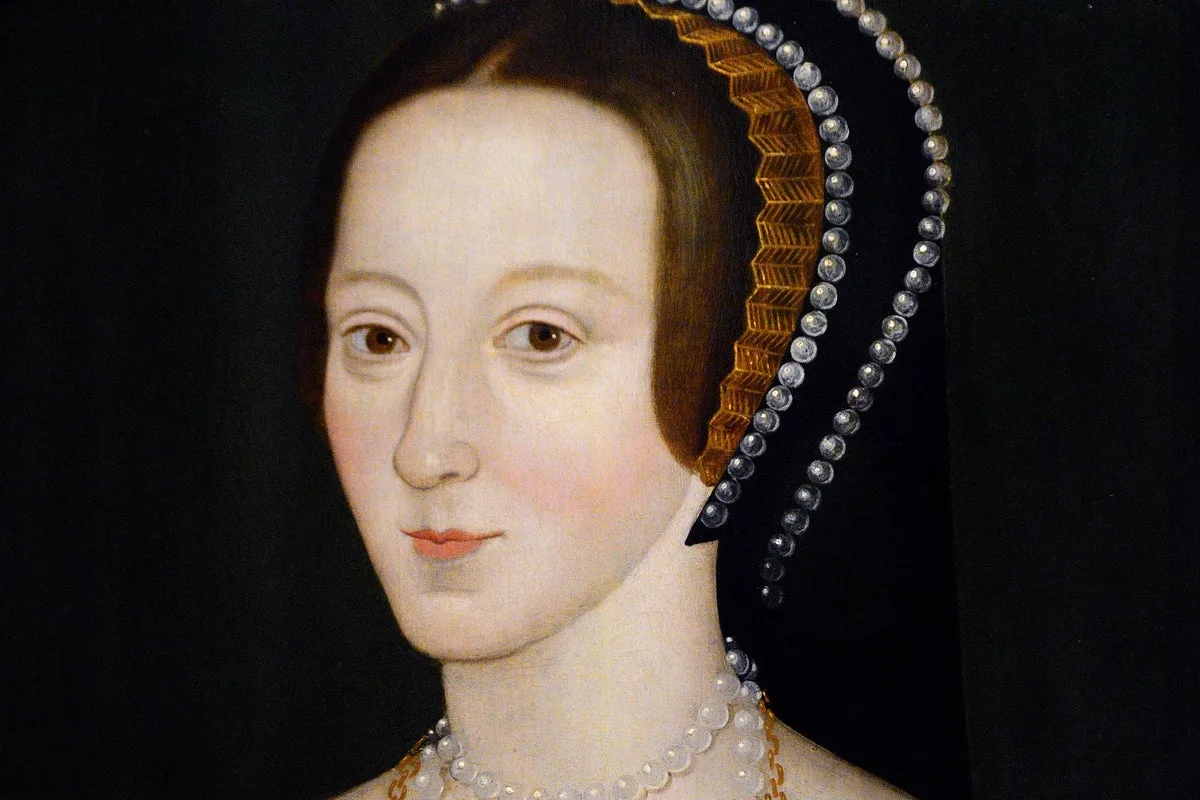
A portrait of Anne Boleyn held by the National Portrait Gallery may have been deliberately painted to resemble her daughter, Elizabeth I, as a means of bolstering the queen's legitimacy, a historian has claimed.
Dr Owen Emmerson, co-curator of a new exhibition at Hever Castle, said the 1584 painting, created nearly five decades after Boleyn's execution, was intended to show a strong likeness to Elizabeth. He described it as a 'very deliberate act' serving a political purpose at a time when Elizabeth faced mounting threats to her rule.
'If you look at the context of when it was created, this is a really pivotal moment in Elizabeth's reign,' Dr Emmerson told The Independent. 'She's been excommunicated, so the pope's given licence to her subjects to challenge and overthrow her, and it's compounded by the fact that she's no longer of child-bearing age, she's unmarried… so she cannot look to the future to promote her legitimacy.'
He said that a pattern emerged in several portraits of Anne Boleyn from this period, in which she appears to particularly resemble her daughter. This was a canny move to 'promote her legitimacy by looking to the past to try and solidify her claim to the throne'. The reason Elizabeth needed to look like her ancestors was that her mother was executed for treason and adultery, leading to widespread rumours that Elizabeth was not Henry VIII's daughter.
The painting is attributed to an artist known as 'the pearl painter', identified by art historian Lawrence Hendra through their distinctive handling of pearls. Dr Emmerson's new book, Capturing the Queen: The Image of Anne Boleyn, co-authored with Kate McCaffrey, explores these themes. An exhibition of the same name opens at Hever Castle on 11 February 2026, featuring the largest collection of Anne Boleyn artefacts ever assembled.