The Traitors Finale Review: Rachel and Stephen's Dazzling Victory
Traitors Finale Review: Rachel and Stephen's Win

The Traitors Finale Review: Rachel and Stephen's Dazzling Victory

By the conclusion of its fourth series, the BBC's reality sensation The Traitors had once again captivated the nation. The dramatic finale, which saw Celtic duo Rachel and Stephen claim victory through masterful deception, provided dazzling entertainment. However, the broadcaster must heed a crucial warning about the risks of over-exposing its phenomenally successful format.

A Nation Re-Enthralled Despite Early Doubts

When The Traitors returned in early January, just 56 days after Alan Carr's triumph in The Celebrity Traitors, questions hung in the air. Would Traitors fatigue set in? Could the public sustain another month-long obsession? Yet, on New Year's Day, with little else to do, millions threw caution to the wind. Approximately 12 million Britons embarked on another round of the psychological parlour game that has gripped the country - and, once more, found themselves utterly absorbed.

Season Four's Compelling Characters and Moments

The latest series delivered memorable characters and moments in abundance:

  • The traitorous Celtic partnership of Rachel and Stephen forged an unshakeable bond within the Scottish castle's turret
  • Rogue "Secret Traitor" Fiona spectacularly self-immolated through questionable decisions
  • Crime novelist Harriet followed a similar path of self-destruction in a season characterised by fascinating strategic choices
  • Side-burned gardener James entertained with his stream of mixed metaphors and malapropisms

When Stephen, with barely contained delight, revealed his final board "for reasons that will become clear," he brought the curtain down on something genuinely rare in reality television: an authentically impressive performance.

Beyond Typical Reality Television

This isn't The Apprentice, where ill-equipped participants stumble through basic tasks, nor I'm a Celebrity, where former public figures endure contrived humiliations. This is a competition won by two traitors who executed their roles with exceptional skill. That their expertise lies in deception is almost incidental. They have proven themselves the Williams sisters, the Pelé and Garrincha, the Torvill and Dean of subterfuge.

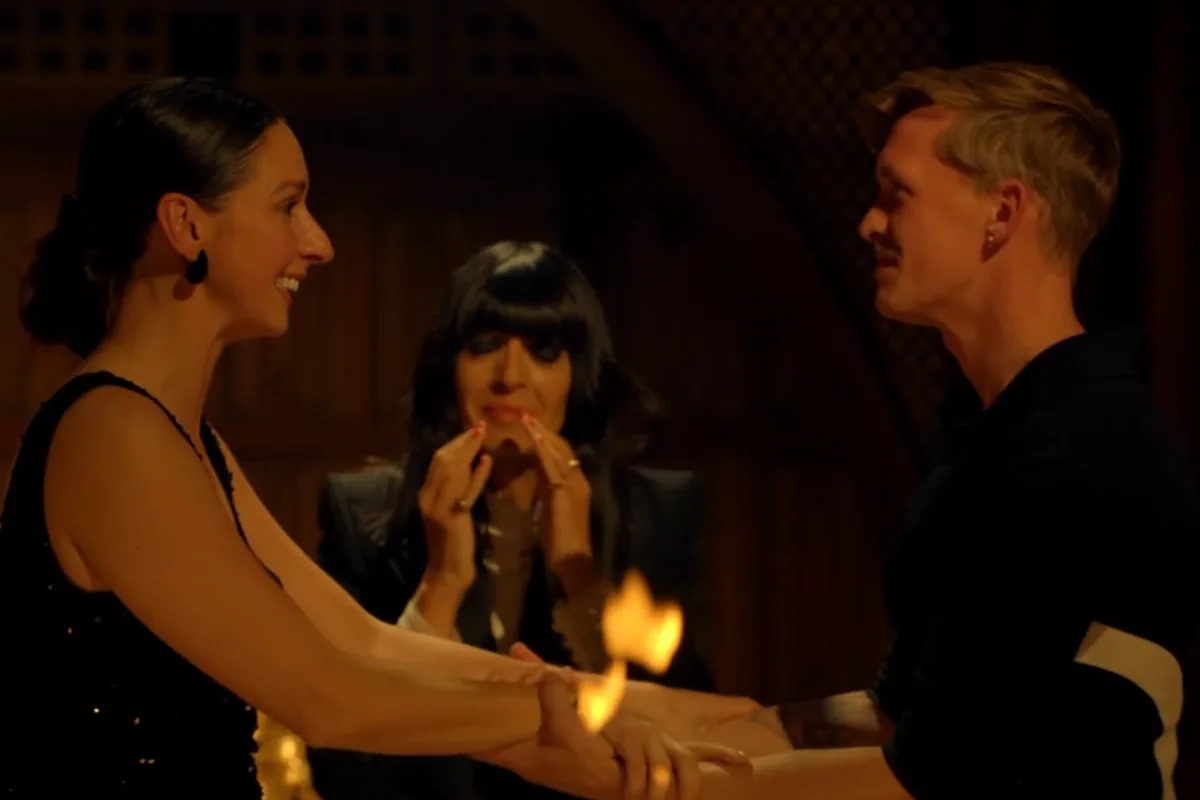
The finale captured the brutal psychological drama at its finest. PhD student Jade's distraught reaction when her castle bestie Stephen betrayed her at the final roundtable, leaving her "blinded by trust." Faraaz's whispered self-admonishment of "idiot..." moments after his banishment. Even host Claudia Winkleman, behind her trademark fringe and eye shadow, was moved to tears as she narrated the climactic moment: "Two traitors, but totally faithful to each other."

The Disposable Nature of Modern Entertainment

Yet The Traitors remains fundamentally disposable entertainment. Many struggle to recall last series' winners (Leanne Quigley and Jake Brown, for the record), with memory instead clinging to dramatic highlights: first series traitor Wilf begging for his life; victorious villain Harry successfully knifing Molly; not-Welsh Charlotte announcing she would affect a Welsh accent throughout the show.

Occasional flashes of organic carnage - "she's not a traitor, she's my girlfriend" or "Paul's not my son... but Ross is" - recall the early-Noughties heyday of deranged but delicious reality television. Yet these moments remain relatively rare in the tightly controlled modern format.

A Form of Public Communion

In the moment of viewing, as the nation finally rooted for traitor victory after three seasons of anaemic support for feeble faithfuls, the throwaway nature of the entertainment feels irrelevant. This represents a form of public communion, a shared intrigue deliberately engineered for the frayed, disaggregated modern mind.

The twists, betrayals and alliances deliver the same dopamine hit as the inane doomscroll. The Traitors isn't an alternative to prestige dramas like The Bear or Severance - it's a replacement for an hour spent with your brain in the vice of a Big Tech algorithm. For providing this communal distraction, it should be cherished.

The BBC's Crucial Challenge

What remains uncertain is whether the BBC can exercise necessary restraint. Fifty-six days between The Celebrity Traitors conclusion and The Traitors return represents a dangerously short turnaround. The corporation possesses a winning formula it must avoid over-exposing.

Reality television follows predictable cycles of salience. Strictly Come Dancing, The X-Factor and Britain's Got Talent have all enjoyed periods of eight-figure ratings and national conversation dominance, only to fade into relative irrelevance. The time may come when The Traitors too releases its hold on small-screen audiences.

Currently, however, producers have perfected their formula: fantastic casting, tightly controlled narrative reins, and a host who generously allows contestants to hold the limelight. These elements have combined to create the biggest, most dazzlingly enjoyable distraction conceivable in our troubled times - a phenomenon the BBC must handle with care to ensure its longevity.