The Hobbit Farm Tragedy: 27 Animals Died in 'Death Trap' Conditions
Hobbit Farm Tragedy: 27 Animals Died in 'Death Trap' Conditions

The Agonising Death of Rainbow the Pony on The Hobbit Set

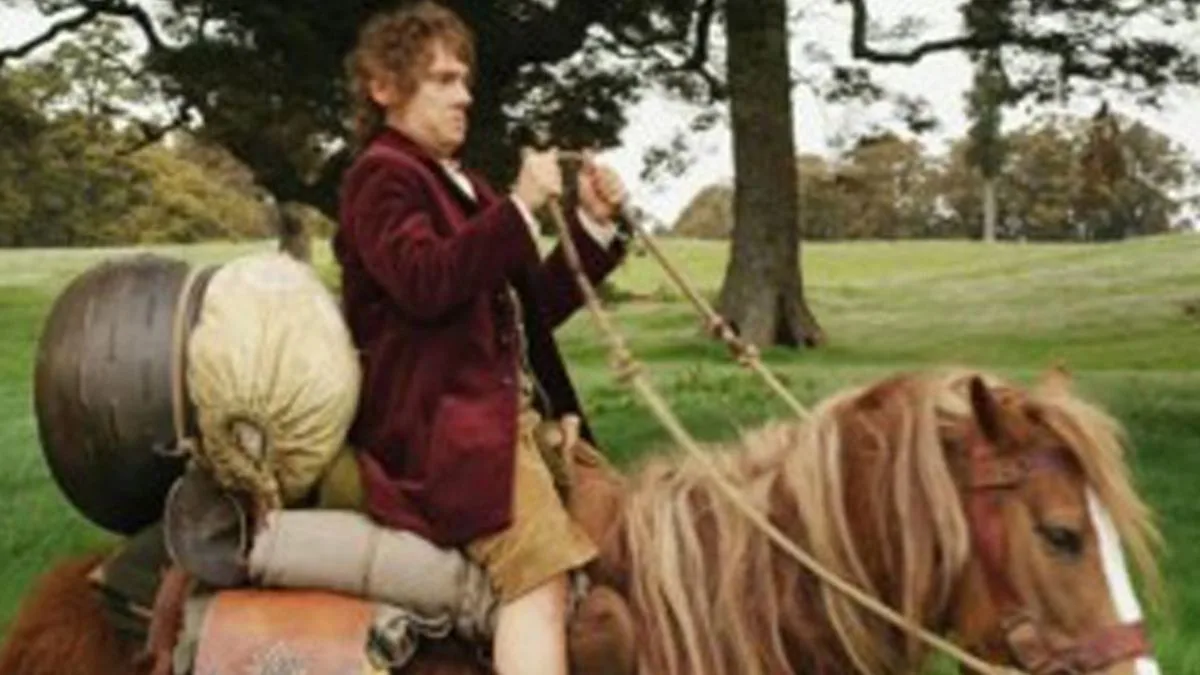
As many as 27 animals, including an adorable miniature pony named Rainbow, met tragic ends on a New Zealand farm utilised throughout the production of The Hobbit trilogy. Wranglers have described the location as a veritable "death trap," citing perilous conditions that included sinkholes, steep drops, and faulty fencing. The incidents occurred in the run-up to the film's 2012 debut, with handlers alleging the production firm bore responsibility for the fatalities.

Horrific Conditions and Initial Fatalities

Animal wrangler Chris Langridge, who joined as a horse trainer in November 2010, was instantly alarmed upon discovering the site was riddled with hazards. He managed approximately 50 horses but found the environment fraught with danger. The first casualty was Rainbow, a pony intended to be a hobbit horse. Langridge recounted arriving at work one morning to find the pony still alive but with a broken back after it had come off a bank at speed and crash-landed. Rainbow was in a severe state and had to be euthanised, marking the beginning of a series of tragic events.

Langridge described efforts to mitigate risks, such as plugging sinkholes created by underground waterways and supplying his own fencing to prevent horses from accessing the most hazardous areas. However, he stated these measures proved insurmountable given the scale of the problems. A week after Rainbow's death, another horse named Doofus became entangled in fencing and severely injured its leg, though it survived. This incident prompted Langridge to resign from his position, citing unbearable conditions.

Further Deaths and Handler Concerns

Following Langridge's departure, wrangler Johnny Smythe reported additional fatalities. A horse named Claire was found dead with its head submerged in a stream after falling over a cliff. Subsequently, the horses were relocated to stables, where a third horse, named Zeppelin, also perished. Veterinary records indicated Zeppelin died from natural causes due to a ruptured blood vessel, but Smythe disputed this, noting the horse was swollen and its intestines contained yellow fluid; he believed digestive issues from new feed were to blame.

Smythe further detailed that six goats and six sheep under his care died from various causes, including falling into sinkholes, developing worms, or complications from new feed after grass was depleted. Additionally, chickens were regularly left outside their pen, leading to a dozen being killed by dogs on two separate occasions. Smythe was dismissed in October 2011 after clashing with his supervisor over animal care standards, highlighting ongoing tensions regarding welfare practices.

Production Response and Oversight Issues

The production company behind The Hobbit films acknowledged the animal fatalities at the time, though they emphasised some resulted from natural causes. A spokesperson insisted that upon learning of the issues, safeguards were implemented to prevent future incidents. Matt Dravitzki, a representative for director Peter Jackson, confirmed that horses, goats, chickens, and one sheep died at the farm near Wellington, where roughly 150 animals were housed for the productions. He admitted the loss of two horses could have been avoided and noted the company acted swiftly, spending hundreds of thousands of pounds to upgrade accommodation and stable infrastructure in early 2011.

Dravitzki clarified that the company no longer leases the farm and has no animals remaining on the premises. He also mentioned that Jackson personally adopted three of the pigs featured in the films, demonstrating a commitment to animal welfare post-production. However, the American Humane Association, which monitors animal welfare during film production, stated no creatures were harmed during actual shooting in New Zealand. Yet, it recognised the handlers' accounts and acknowledged flaws in its oversight framework, which focuses on film locations but not the premises where animals are accommodated and prepared.

Aftermath and Unanswered Questions

Langridge and his spouse, Lynn, who also worked as a wrangler, resigned in February 2011. The following month, they sent an email to Brigitte Yorke, the Hobbit trilogy's unit production manager, outlining their concerns about the dangerous conditions. Langridge revealed he responded to Yorke's request for further details but received no subsequent communication, leaving questions about accountability unresolved. The tragic series of events underscores broader issues in animal handling within the film industry, prompting calls for stricter regulations and improved oversight to prevent similar incidents in future productions.