Carrie Bickmore's Cancer Charity Beanies Linked to Sweatshop Labour
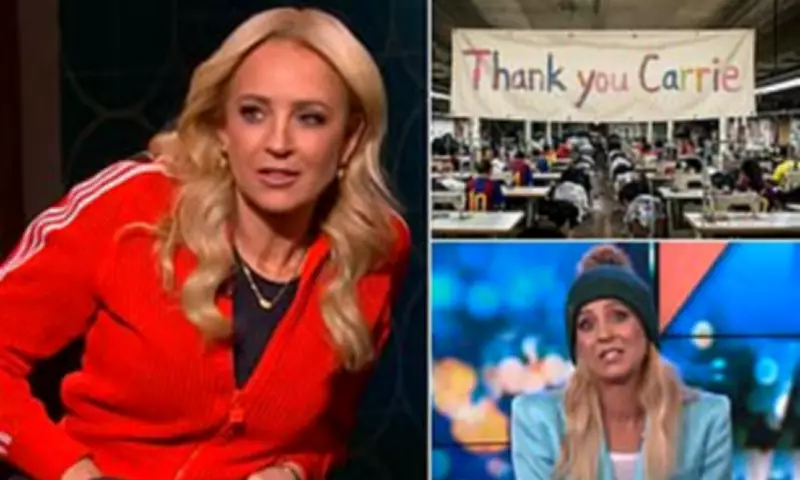
An investigation has uncovered that beanies sold to support Carrie Bickmore's cancer charity were manufactured in a sweatshop, sparking significant ethical concerns about labour practices in charity fundraising efforts. The revelation has prompted widespread scrutiny and calls for greater transparency in the production of merchandise for charitable causes.
Details of the Investigation
The beanies, marketed as part of a fundraising campaign for Carrie Bickmore's cancer charity, were found to be produced in a facility with poor working conditions, including low wages and long hours. This discovery has raised questions about the oversight and ethical sourcing practices employed by the charity and its partners.
Carrie Bickmore, a well-known television personality, established the charity to support cancer research and patient care, with the beanies being a popular item to raise funds. However, the link to sweatshop labour has cast a shadow over these efforts, highlighting potential conflicts between charitable goals and ethical production standards.

Ethical Concerns and Public Reaction
The news has elicited strong reactions from the public and advocacy groups, who argue that charity merchandise should adhere to fair labour practices to align with the values of compassion and support that charities promote. Critics have pointed out that using sweatshop labour undermines the integrity of fundraising campaigns and could deter donors.
In response, representatives from Carrie Bickmore's charity have stated that they are taking the matter seriously and are reviewing their supply chain to ensure compliance with ethical standards. They emphasised their commitment to transparency and improving labour conditions in future productions.
Broader Implications for Charity Fundraising
This incident underscores broader issues in the charity sector, where the pressure to raise funds quickly and cost-effectively can sometimes lead to compromises in ethical sourcing. Experts suggest that charities need to implement stricter due diligence processes when selecting manufacturers to avoid such controversies.
Moving forward, there is a growing call for charities to adopt more rigorous ethical guidelines and to be more open about their production methods. This could help rebuild trust with supporters and ensure that fundraising efforts do not inadvertently contribute to exploitative labour practices.
The case of Carrie Bickmore's charity beanies serves as a cautionary tale for other organisations, highlighting the importance of aligning charitable activities with ethical principles to maintain credibility and public support.