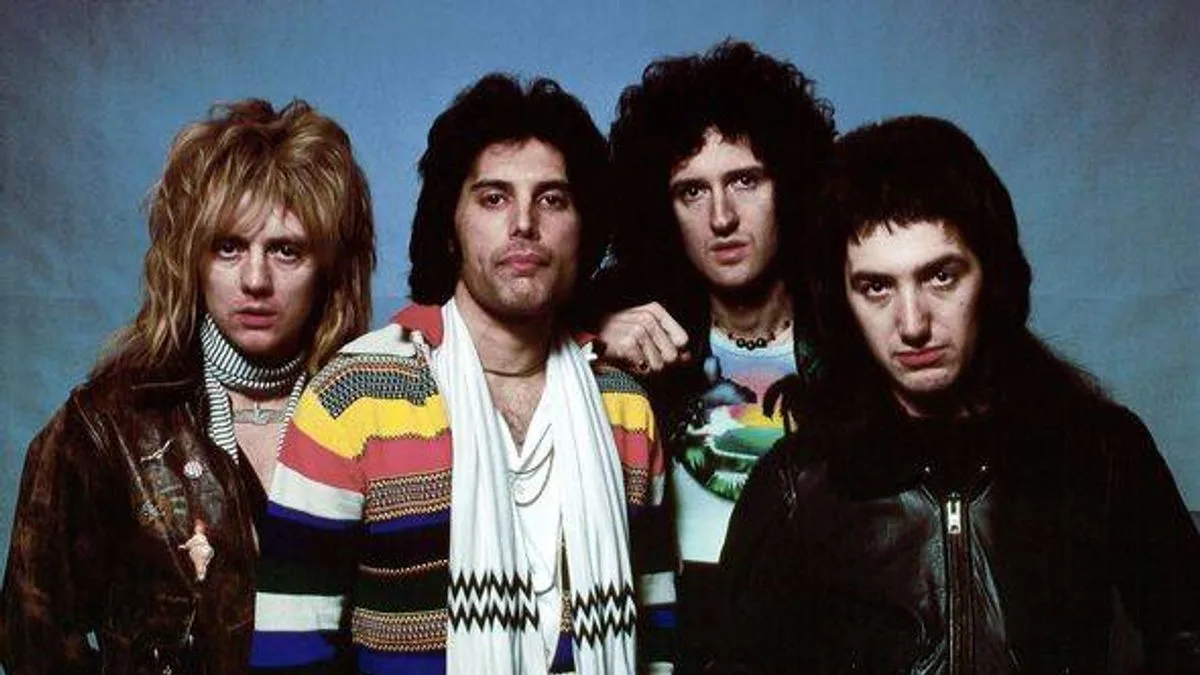
Queen's 'Death On Two Legs': The Bitter Revenge Song That Targeted Their Ex-Manager
Queen's 'nasty hate mail' song to ex-manager revealed

While the world celebrates the 50th anniversary of Queen's monumental Bohemian Rhapsody, 1975 held another, more acrimonious milestone for the legendary rock band. It was the year their relationship with the man who helped launch them, manager Norman Sheffield, imploded—allegedly inspiring one of the most vicious revenge songs in rock history.

The Manager Who Made Them Stars

Queen's path to fame was paved by a deal with Sheffield's company, Trident Audio Productions, inked in November 1972. The band honed their iconic sound during late-night studio sessions, leading to a coveted recording contract with EMI in April 1973. For a time, Sheffield was instrumental in their rise.

However, the partnership soured. In his autobiography, Life On Two Legs: Set The Record Straight, Sheffield claimed that Freddie Mercury and the band struggled to understand the financial realities of the music business. Royalties, he explained, could take months or even years to materialise, despite growing record sales.

"Freddie demanded a grand piano," Sheffield wrote. "When I turned him down, he banged his fist on my desk." The flamboyant frontman reportedly complained that despite selling millions of records, he was still living in the same modest flat. Sheffield insisted he wasn't being stingy, but that the band owed Trident close to £200,000—a staggering £1.75 million in today's money—from advances on equipment and salaries.

'Nasty Hate Mail' Set to Music

The final break came in August 1975, when EMI sided with Queen and lawyer Jim Beach successfully extracted them from their Trident contract. As the band began work on what would become their masterpiece, A Night at the Opera, the bitterness festered.

Sheffield soon heard rumours of "derogatory comments" from the band. Then, he encountered the album's opening track. Death On Two Legs, with lyrics penned by Mercury, was a blistering attack. It described its subject as a "sewer-rat decaying in a cesspool of pride," and opened with the lines: "You suck my blood like a leech / You break the law and you breach." It even suggested the target consider suicide.

"It was some kind of nasty hate mail from Freddie to me," Sheffield asserted. Although he was never named directly in the song, he was in no doubt about its intended recipient. The perceived defamation was so severe that Sheffield sued both Queen and EMI, securing an out-of-court settlement.

A Bittersweet Chart Triumph

The sting of the song was magnified by the unprecedented success of the album it launched. A Night at the Opera was a critical and commercial triumph, solidifying Queen's place among rock's elite. The lead single, Bohemian Rhapsody, soared to the top of the UK charts, reigning for nine weeks and becoming the Christmas Number One of 1975.

For Sheffield, watching the band he helped build reach these dizzying heights was a "bittersweet moment." Reflecting with regret on the fractured relationship, he later admitted, "We should have talked more. And I should have been more attentive to their feelings. By the time I realised things were badly wrong, it was too late."

The saga remains a fascinating and dark chapter in Queen's storied history, proving that behind the operatic grandeur and global adulation, the cut-throat world of music business could inspire art as brutal as it was brilliant.