Chrissie Hynde's Warning: Mobile Phones Are Disrupting Live Music Energy
Mobile Phones at Gigs Are Killing Live Music, Warns Hynde

Chrissie Hynde's Stark Warning: Mobile Phones Are Disrupting Live Music Energy

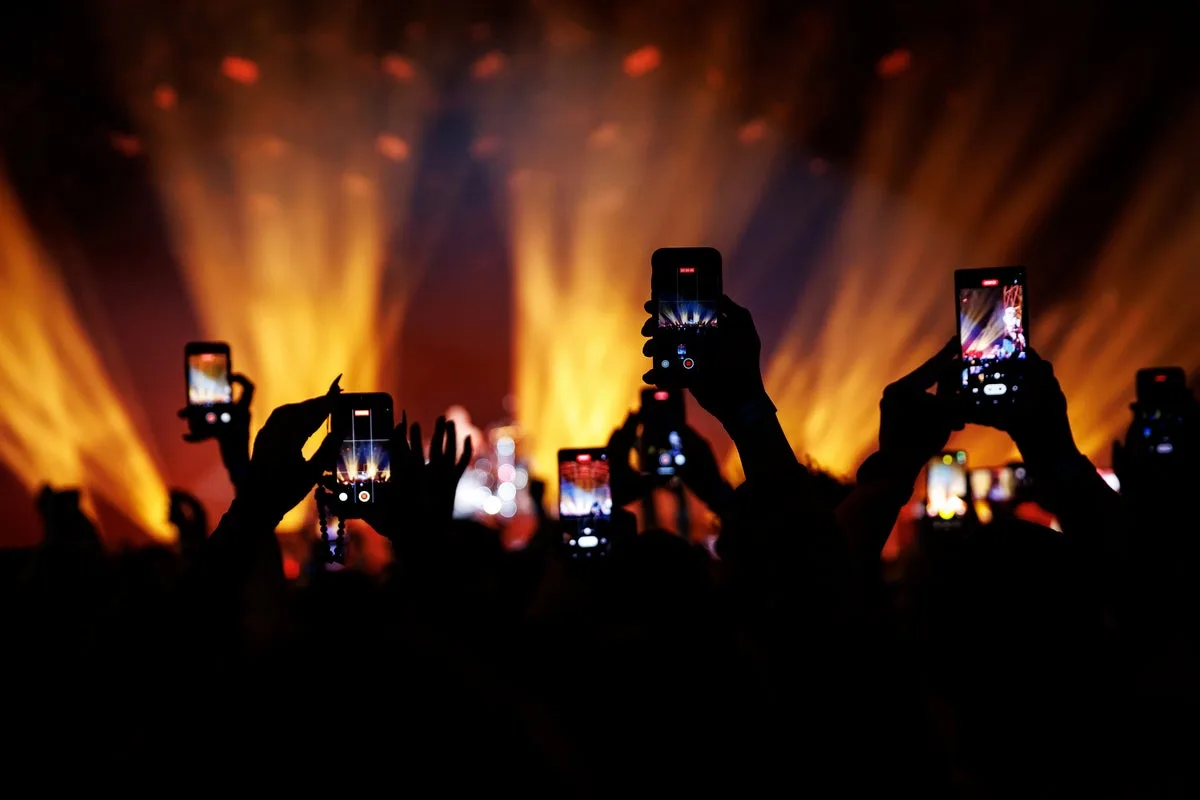
The Pretenders frontwoman Chrissie Hynde has reignited a heated debate about audience behaviour at concerts by declaring that mobile phones are ruining live music. In a recent statement, Hynde expressed frustration, suggesting the pervasive use of devices disrupts the energy of performances and even threatens her future touring plans.

Are Phones Killing the Concert Experience?

Hynde, a legendary figure who broke through in rock music during an era dominated by male artists, carries significant influence in the industry. Her concerns highlight a growing tension between modern technology and traditional live music enjoyment. The question arises: are smartphones fundamentally damaging the concert atmosphere, and if so, what can be done to address this issue?

Practical Solutions: Yondr Pouches and Phone-Free Zones

Fortunately, the music industry has developed practical solutions. Harry Styles recently demonstrated one approach at his Co-op Live show in Manchester, which was filmed exclusively by Netflix. His concert was entirely phone-free, with attendees required to store their devices in Yondr pouches. These pouches, which can be unlocked at magnetic posts after the event, aim to minimise distractions while allowing emergency access.

Wide Pickt banner — collaborative shopping lists app for Telegram, phone mockup with grocery list

Similar measures have been implemented by other artists, including Jack White, who used Yondr technology at a London performance. However, challenges remain, particularly regarding accessibility for individuals with medical devices like blood glucose monitors. Under the Equality Act, reasonable adjustments may be necessary to accommodate such needs without compromising the phone-free environment.

Artists' Divergent Approaches to Phone Use

Not all performers share Hynde's perspective. Some artists actively incorporate phones into their shows, such as Taylor Swift, who encourages audiences to use phone lights during ballads—a modern replacement for the traditional cigarette lighter. Others, like the band Sparks, have even urged fans to post recordings online to generate additional revenue.

This divide underscores the complexity of the issue. While Hynde and supporters argue phones disrupt communal energy, proponents see them as tools for engagement and memorabilia, especially as merchandise prices soar. For instance, Beyoncé recently tested £50 T-shirts on tour, pushing fans toward digital alternatives.

Beyond Phones: Other Concert Irritants

Interestingly, some concertgoers report that loud conversations during performances are more disruptive than phone use. Attendees recording videos are typically engaged with the music, whereas those discussing unrelated topics can detract from the experience, particularly at quieter gigs. This has led some fans to adopt creative solutions, like wearing beanies to muffle background noise.

Ultimately, Hynde's warning highlights a broader conversation about etiquette and technology at live events. With solutions like Yondr pouches gaining traction, the industry may be moving toward a balanced approach that preserves artistic integrity while accommodating modern habits. As debates continue, one thing is clear: the future of live music will depend on finding harmony between innovation and tradition.

Pickt after-article banner — collaborative shopping lists app with family illustration