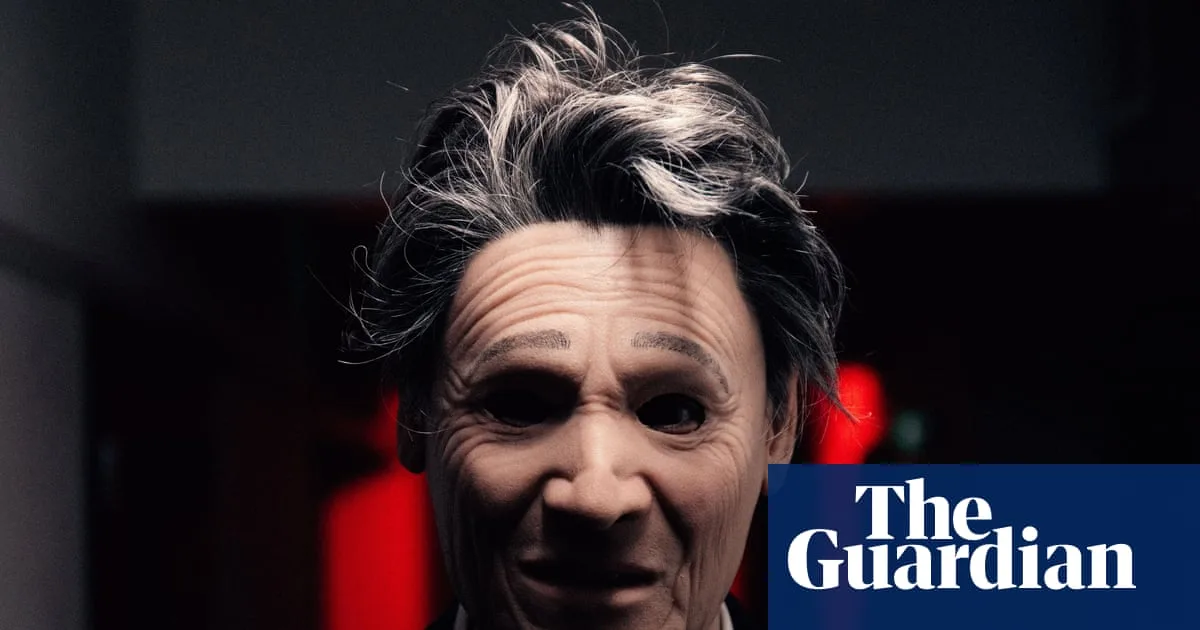
From Sleep Token to Ghost and Slaughter to Prevail, metal's biggest stars are increasingly turning to masks and disguises, despite the practical challenges. Imperial Triumphant, an avant-garde US metal band, opted for gold masks modelled on 1920s art deco architecture after rejecting corpse paint due to the post-gig cleanup. Their singer Zachary Ezrin noted the inconvenience: 'You just rocked a show, and now you have to sit backstage and wipe off your makeup.'
The physical toll can be severe. Alpha, the masked frontman of Portuguese black metal band Gaerea, recalled a show in Stuttgart where he blacked out twice from heatstroke. 'When you start to sweat, you can't see shit, or breathe, or sing,' he said. Despite these struggles, masked acts like Sleep Token and Ghost have risen to arena-filling status, blending pop-infused prog metal with theatrical disguises.
The trend is not new. Slipknot's 1999 breakthrough with their spiked masks and boiler suits made their ferocious tracks even more intimidating. Earlier, Gwar emerged from Virginia's punk scene in the mid-80s, parodying metal's satanic imagery with ultra-violent characters. Guitarist Mike Derks explained: 'We were poking fun at how metal acts had these traces of satanism and monsters but were just dabbling in it.'

Masks allow for larger-than-life satire and self-expression. Alpha described a psychological shift: 'We go into a different mode in our psyche.' While the phenomenon is male-dominated, masked women like Cenobia and Maria Franz of Heilung also participate. The masks, though physically demanding, enable artists to reveal their true nature through disguise.