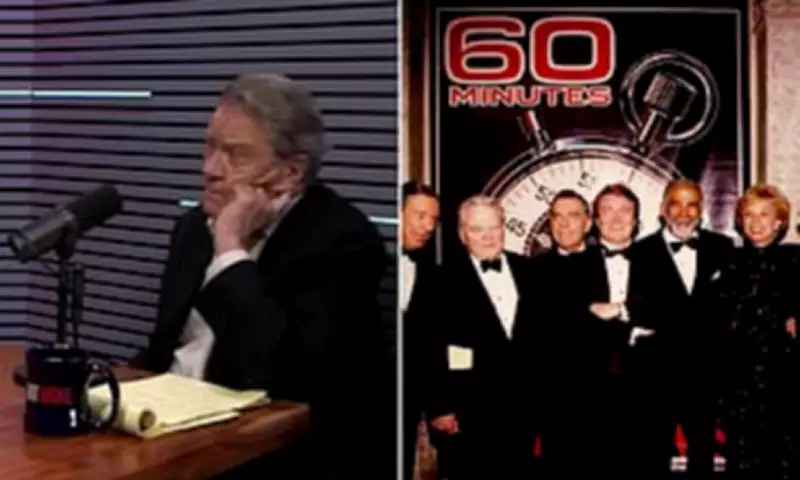
In a remarkably candid and explosive interview, Steve Kroft, the retired 60 Minutes correspondent, has delivered a scathing indictment of the iconic CBS investigative news program's internal environment. The 30-year veteran, who retired from the show in 2019, described the workplace culture as a toxic "snake pit" and openly admitted that he "hated it." Kroft made these startling revelations during a recent appearance on Bill O'Reilly's podcast, We'll Do It Live!, which was published on Thursday.
A Culture of Brutal Competition and Paranoia
Kroft painted a vivid picture of an atmosphere dominated by long hours, relentless travel, and an unhealthy level of competition among journalists. He recounted how this environment fostered deep-seated paranoia, with colleagues constantly fearing backstabbing from their peers. Early in the conversation, O'Reilly set the tone by describing the leadership at 60 Minutes as "tough boys" before escalating his characterization to "savages - mini savages." Kroft wholeheartedly agreed with this assessment.
The Warning from Dan Rather
The retired correspondent shared a telling anecdote about when he first learned he would be joining the prestigious program. He recalled veteran CBS reporter and fellow 60 Minutes correspondent Dan Rather offering a stark warning: "Let me tell you, there's some big cats over there. Take one swat with a paw, and you're gonna be limping for six months." O'Reilly affirmed this reality, stating bluntly, "And it's true. I mean, there was no civility at 60 Minutes. It was like, you're an idiot."

Kroft elaborated further, using visceral imagery to describe the cutthroat environment. He suggested that if any semblance of civility was displayed, one should "better check your wallet," referring to the brutal behind-the-scenes competition for precious airtime and getting stories published. He summarized the newsroom dynamic as beginning on day one, noting that "not everybody was happy" when he joined the team and that "you've all of a sudden made a bunch of enemies." Kroft chillingly described the feeling as if someone was constantly lurking, ready "to put a shiv in their back."
The Gruelling Demands of the 60 Minutes Grind
Beyond the interpersonal toxicity, Kroft detailed the immense professional demands of working on the show. He characterized it as a "24 hours a day" gig that required nonstop travel, writing, and editing. "You may get a couple hours… then getting on jets… coming back and spending three or four days writing… then starting it all over again," he explained, highlighting the relentless cycle that defined his tenure.
Broader Media Discussions and Political Perceptions
The interview also ventured into broader media landscape topics. Kroft discussed his career-defining 1992 interview with Bill and Hillary Clinton during the presidential race, where he asked about the alleged affair with Gennifer Flowers. Hillary Clinton's criticism of his "mean questions" sparked public backlash against 60 Minutes leadership at the time.
This moment served as a segue into a discussion about perceived political shifts in legacy media. O'Reilly posited that CBS News, and by extension other networks, have shifted "fairly left" over recent decades, a trend he attributed partly to the influence of Walter Cronkite. "Since that time," O'Reilly added, "because CBS was the leader, the news leader on television, they've all gone fairly left. Would I be wrong?"
Kroft offered a nuanced response, stating, "I don't think you're probably wrong in terms of perception. In terms of reality, I don't know. Some of it has to do, I've always thought, with geography and the fact that so many people in the media were... mostly East Coast people."
Corporate Response and Planned Overhaul
Regardless of Kroft's measured take on the political shift, CBS's parent company, Skydance Paramount, appears to have acknowledged such criticisms. In a significant move last October, the company installed Bari Weiss as the new editor-in-chief of CBS News, seemingly in an attempt to address concerns about the network's direction.

In the six months since assuming the role, Weiss has initiated bold changes, including hiring nearly 20 new contributors with established social media followings to boost the network's relevance. Furthermore, according to a recent New York Post report, she has major plans to overhaul 60 Minutes itself. These plans reportedly include a restructuring of the show and potential layoffs of top producers and contributors.
A source familiar with the situation told the outlet, "Bari wants to make the show harder. No one is talking about ‘60 Minutes’ on Monday morning." The source added, "She wants to put her stamp on 60 Minutes, and how you do that is you either get rid of the top producer or the top correspondent." This potential shake-up, prompted by external criticism and internal revelations like Kroft's, suggests a pivotal moment for the long-standing television institution.