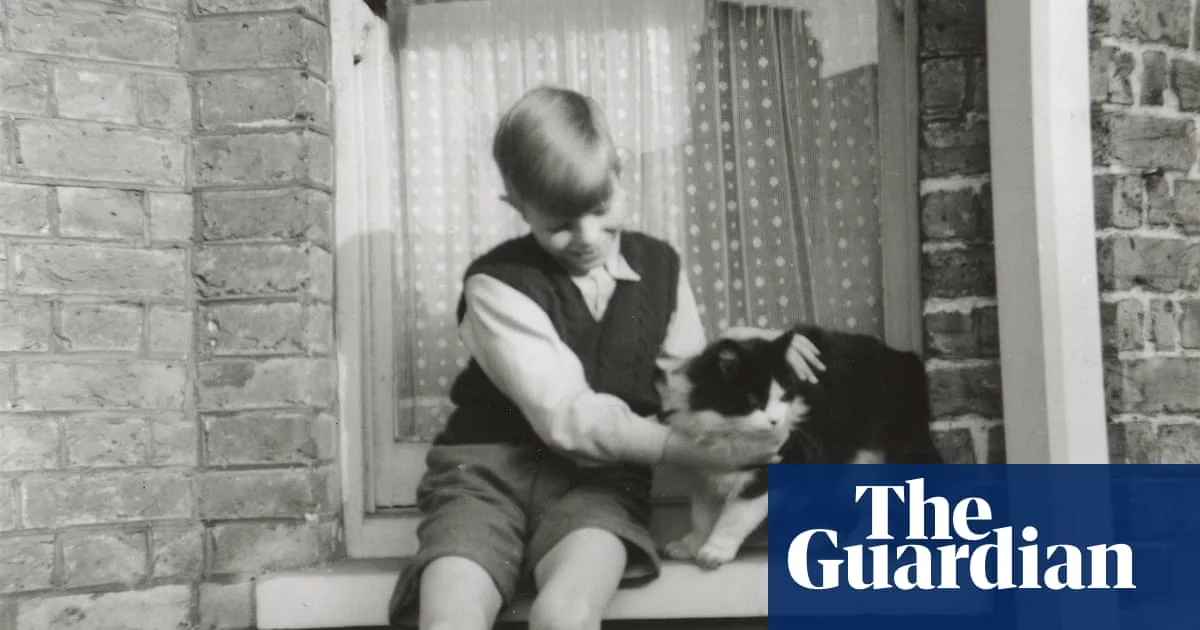
The London house where a young David Jones transformed into the iconic David Bowie will open its doors to the public for the very first time at the end of 2027. The modest two-up, two-down property at 4 Plaistow Grove in Bromley, where Bowie lived from 1955 to 1968, has been acquired by the Heritage of London Trust and will be meticulously restored.
An Immersive Journey into a Teenager's World
Central to the experience will be Bowie's tiny teenage bedroom, measuring roughly 9ft by 10ft. This space, which he once described as his "entire world," will be recreated to offer visitors a profound sense of the artist's origins. Curator Geoffrey Marsh, who co-curated the V&A's acclaimed David Bowie Is exhibition, emphasised the room's significance. "You think, someone who didn't have any big advantages... what was it that went on there which created this driving ambition?" he reflected.
The restoration aims to return the house to its appearance around 1963, when Bowie was 16. This will involve detailed archaeological investigation to uncover original paint and wallpaper hidden beneath modern layers. Later alterations, such as the merging of two bedrooms and a 1970s extension, will be reversed, and period-appropriate features like an outdoor lavatory will be reinstated.
Never-Before-Seen Artefacts and Personal History
The home will display unique archival items that shed light on Bowie's early development. These include his copies of the Observer's books on music and architecture, in which he scribbled his exam results and, in a nod to his love of Americana, signed his name as David Jones Jr. A poignant centrepiece will be a photograph of his hero, Little Richard, which he cut out aged around 10 or 11 and kept on his wall throughout his entire life; it will be returned to its original spot in the bedroom.
Friends from Bowie's youth have contributed memories to shape the project. Artist George Underwood, who famously punched Bowie at school resulting in his permanently mismatched pupils, and actor Dana Gillespie have provided recollections of visits to the house. Marsh recounted Gillespie's memory of being served tuna sandwiches, a contrast to her more "posh" upbringing.
A Living Legacy and Platform for Future Talent
Funded by an initial £500,000 grant from the Jones Day Foundation, the project is far more than a static museum. Inspired by Bowie's own Beckenham Arts Lab, the house will host creative and skills workshops for young people through the Trust's Proud Places scheme. "It's not just aimed at being a memorial," Marsh stated. "It's a platform for the future... to show young people the drivers that helped David succeed."
The trust is appealing to the public for help, asking anyone who might have original items from the house or matching rolls of vintage wallpaper to come forward. A public consultation and planning applications for the change of use will follow, with Marsh hopeful for strong local support in an area already famous as the home of Charles Darwin.
The announcement coincides with the period marking the tenth anniversary of Bowie's death in January 2016 and what would have been his 79th birthday. The opening of 4 Plaistow Grove will finally allow fans to walk the floorboards where one of Britain's most extraordinary creative minds first dreamed of stardom.