Venezuela's Crumbling Economy: Locals Struggle as Trump Promises Renaissance
Venezuela's Economic Reality Clashes with US Promises

While President Donald Trump promises a multi-billion dollar American-led renaissance for Venezuela, the daily reality for citizens like Ana Calderón is a desperate struggle to afford basic food. The stark contrast between grandiose political pledges and crushing economic hardship defines the current moment in the Latin American nation.

Promises of Prosperity Meet Hyperinflation

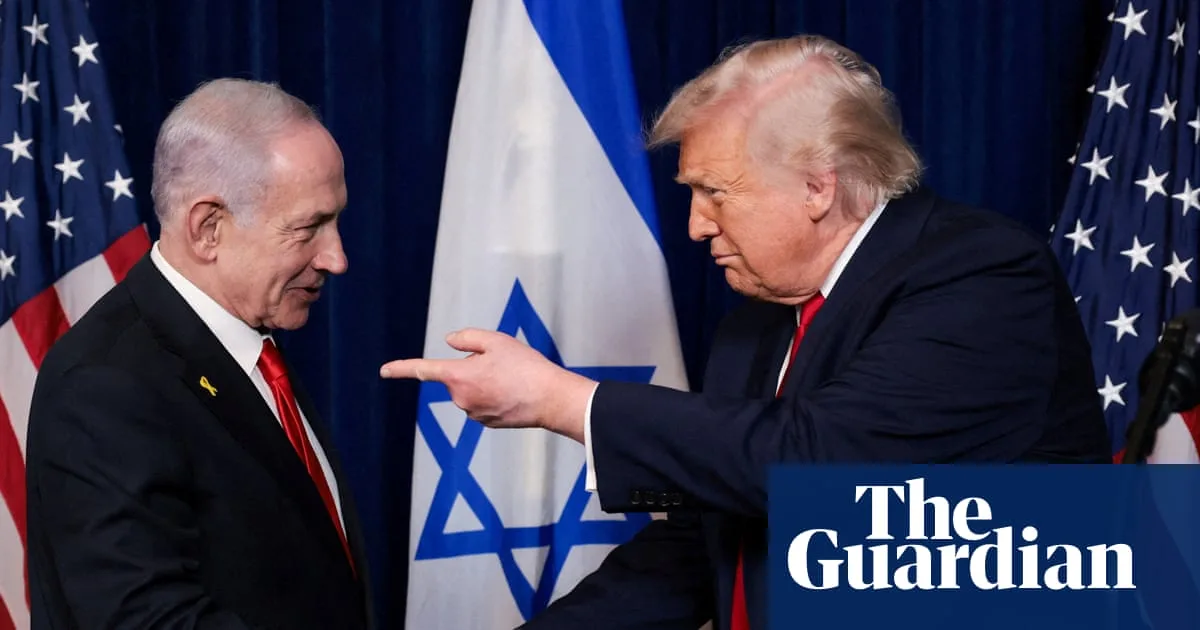
From the White House, President Trump has vowed that US intervention, following the capture of former President Nicolás Maduro, will channel billions into Venezuela's crumbling infrastructure and resurrect its once-thriving oil industry. He forecasts a new age of prosperity for the country.

Yet, in the sprawling Catia street market in Caracas, utility worker Ana Calderón illustrates the brutal present. She notes that a single kilogram of meat now costs over $10, a sum that represents 25 times the country's stagnant monthly minimum wage of just 130 bolivars ($0.40). "Food is incredibly expensive," she says, having to abandon plans for a pot of soup due to cost.

The International Monetary Fund estimates Venezuela's inflation rate at a staggering 682%, the highest in the world. This hyperinflation has rendered the national currency nearly worthless and pushed an estimated eight in ten people into poverty.

The Long Road to Oil Recovery

Central to Trump's vision is the revival of Venezuela's oil sector, which holds the world's largest proven reserves. The White House hosted a meeting with US oil executives on Friday, 9th January 2026, to discuss opening the industry to American investment.

However, economists warn that recovery will be neither swift nor simple. In an interview, Trump himself acknowledged, "The oil will take a while." Luisa Palacios, a Venezuelan-born economist at Columbia University, notes that while people are hopeful, they do not yet see change on the ground. "What they're seeing is repression. They're seeing a lot of confusion," she states.

Albert Williams, an economist at Nova Southeastern University, agrees that revitalising the energy sector would have a dramatic spillover effect, but questions the timeline and the political transition. "That's the billion-dollar question," Williams says.

A Nation in 'Estado de Incertidumbre'

For the millions who have not fled the country, life is defined by the Spanish term "resolver"—to "figure it out." This jury-rigged existence involves delicate calculations for every transaction, from transport to medicine.

Neila Roa, selling cigarettes at the market while carrying her five-month-old baby, summarises the national mood: "We're in a state of uncertainty." She adjusts prices daily based on currency fluctuations, describing the situation as "inflation and more inflation and devaluation. It's out of control."

Usha Haley, a Wichita State University economist, offers a grim short-term forecast: "A single oil sale will not fix the country's rampant inflation and currency collapse. Jobs, prices, and exchange rates will probably not shift quickly."

As Calderón leaves the market with only celery, the gap between the promise of a future powered by oil billions and the immediate need for a nourishing meal could not be wider. The path from capture and promises to tangible economic relief remains long and uncertain for Venezuela's people.