Coachella's Complete Headliner History: From 1999 Rock to 2026 Pop
Coachella Headliner History: 1999 to 2026 Lineup Evolution

The Complete Evolution of Coachella Headliners Since 1999

As Coachella prepares for its highly anticipated 2026 edition, we take a comprehensive journey through the desert festival's remarkable 27-year history. From its rock-dominated beginnings to its current pop and rap supremacy, Coachella has consistently showcased the biggest names in music while evolving into a cultural phenomenon.

The Foundation Years: Rock Dominance (1999-2005)

Coachella's inaugural 1999 festival perfectly captured the post-grunge era with influential rock bands Rage Against the Machine and Tool leading the bill. Experimental artist Beck, known for his eclectic fusion of hip-hop, folk, and rock, completed the groundbreaking lineup.

After a drought-induced pause in 2000, the festival returned in 2001 with a scaled-down, single-day event headlined by Jane's Addiction. The following year marked significant milestones with Icelandic singer Björk becoming the first female headliner and Oasis, Foo Fighters, The Strokes, and The Prodigy restoring the two-day format.

Wide Pickt banner — collaborative shopping lists app for Telegram, phone mockup with grocery list

The rock emphasis continued through 2005 with memorable appearances from Beastie Boys, Red Hot Chili Peppers, Radiohead, The Cure, Coldplay, and Nine Inch Nails. Notably, Nine Inch Nails frontman Trent Reznor performed one of his first sober shows here shortly after rehab, while Coldplay solidified their global superstar status months before releasing their third album X&Y.

Expansion and Diversification (2006-2014)

Coachella entered a period of significant growth and musical diversification. While 2006 featured Depeche Mode and Tool as primary draws, electronic duo Daft Punk's legendary LED pyramid performance became an instant festival classic.

The festival expanded to three days in 2007 to compete with Lollapalooza, bringing back previous headliners including Björk, Red Hot Chili Peppers, and Rage Against the Machine. Billboard magazine praised Rage Against the Machine's return as the group's second-best festival performance ever.

Major moments continued with Prince's last-minute addition in 2008 boosting ticket sales, Paul McCartney becoming the first Beatle to headline in 2009, and Jay-Z making history as Coachella's first rap headliner in 2010. The festival also tested a new strategy of offering only three-day passes that year.

Kanye West delivered what critics consider one of the greatest hip-hop festival sets in 2011, while 2012 marked Coachella's expansion to two weekends - a format that continues today. That year also featured Dr. Dre and Snoop Dogg's groundbreaking performance featuring a 3D hologram of the late Tupac.

British acts Blur and The Stone Roses ruled 2013, while 2014 saw electronic dance music finally edge out rock bands with Calvin Harris, Skrillex, and Disclosure securing major spots beneath headliners OutKast, Muse, and Arcade Fire.

Modern Era and Historic Moments (2015-2026)

Coachella's modern era has been defined by historic firsts and cultural milestones. 2015 tickets sold out within 20 minutes, featuring legendary acts AC/DC, Jack White, and Drake - with the latter breaking the internet when Madonna planted a surprise kiss on his lips during their collaboration.

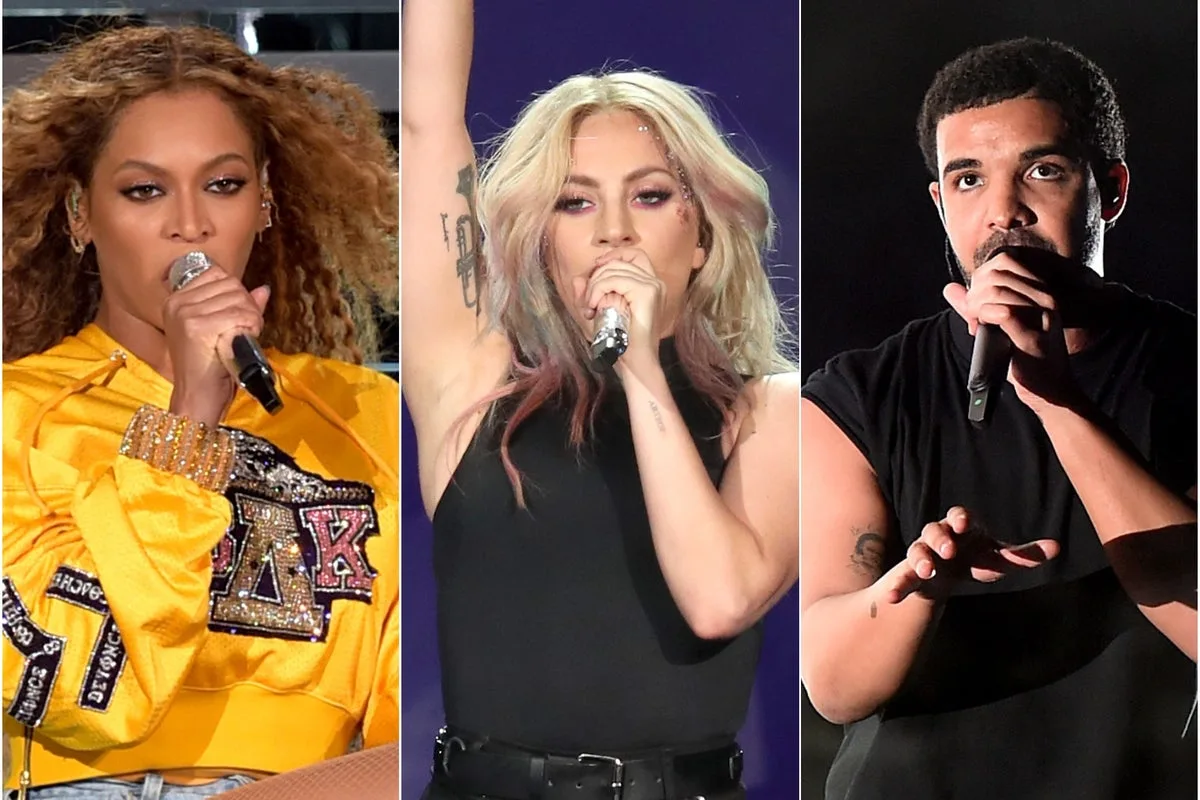
Reunification stories dominated 2016 as Guns N' Roses' Axl Rose and Slash reconciled after a decade-long divide, and LCD Soundsystem reunited after announcing their disbandment in 2011. The following year saw Lady Gaga step in for a pregnant Beyoncé, while Kendrick Lamar made his debut appearance.

"Beychella" entered the cultural lexicon in 2018 when Beyoncé became the first Black woman to headline the festival, with her performance later becoming the subject of Netflix's Homecoming documentary. Eminem and The Weeknd completed that year's R&B and rap-focused lineup.

Pre-pandemic 2019 featured Childish Gambino's hip-hop, Ariana Grande's pop, and Tame Impala's alternative indie, with Grande's surprise NSYNC reunion creating particular buzz. After a three-year pandemic hiatus, 2022 welcomed Harry Styles, Billie Eilish, and The Weeknd to reawaken the festival.

Historic firsts continued in 2023 with Bad Bunny becoming the first Latin American Spanish-language artist to headline and BLACKPINK making history as the first K-pop group on the main stage. Frank Ocean also made his grand return after last performing in 2012.

Pickt after-article banner — collaborative shopping lists app with family illustration

Despite recent concerns about waning hype and ticket sales, 2024 featured Lana Del Rey, Tyler the Creator, and Doja Cat, with No Doubt's surprise reunion lifting spirits. 2025 promises Lady Gaga's hotly anticipated return alongside Green Day's debut and Post Malone's first headlining appearance.

Looking ahead to 2026, pop star Sabrina Carpenter, hitmaker Justin Bieber, and Colombian superstar Karol G will take top billing. Karol G makes history as the first Latina artist to headline Coachella, continuing the festival's tradition of breaking barriers while celebrating musical diversity.

The Coachella Legacy

Throughout its evolution, Coachella has mirrored broader musical trends while often predicting them. From rock's dominance in the early 2000s to rap's ascendancy, electronic music's breakthrough, and now global pop's supremacy, the festival has consistently adapted while maintaining its desert magic.

The 2026 edition takes place April 10-12 and 17-19 at the Empire Polo Club in Indio, California, continuing a tradition that has grown from a niche rock festival into a global cultural touchstone that defines each year's musical landscape.