In a significant diplomatic development, Lebanon and Israel have engaged in their first direct discussions in decades, held in Washington and facilitated by US Secretary of State Marco Rubio. The talks, described by Rubio as a "historic opportunity," mark a pivotal moment in regional relations, though immediate breakthroughs were cautioned against due to the complex historical tensions between the two nations.
Optimism and Challenges in the Dialogue
Israel's Ambassador to the US, Yechiel Leiter, expressed optimism following the meeting, noting a "convergence of opinion" on key issues, particularly the removal of Hezbollah's influence from Lebanon. He stated that the Lebanese government affirmed it "would no longer be occupied by Hezbollah," signaling a potential shift in internal dynamics. However, Hezbollah, which was not represented at the talks and openly opposed them, intensified its attacks on northern Israel as discussions commenced, declaring it would not abide by any agreements reached.
Context of Ongoing Conflict
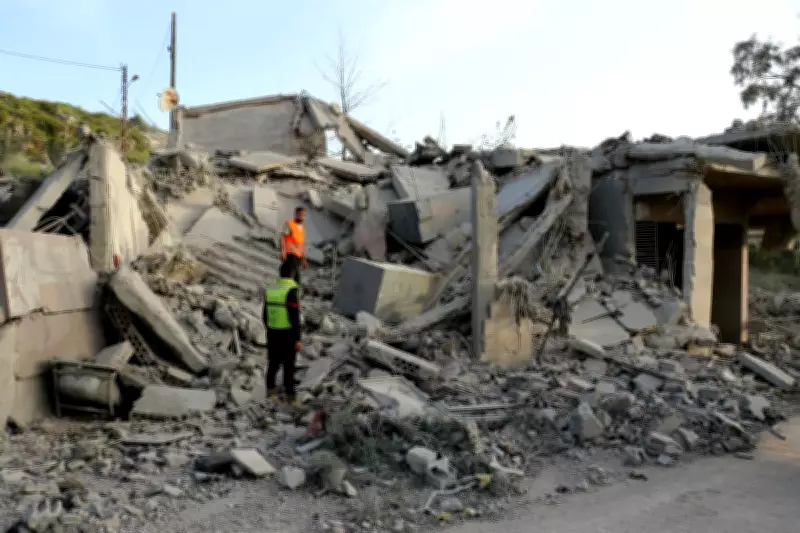
The diplomatic efforts unfolded against a backdrop of severe ongoing conflict. In Lebanon, significant casualties and displacement have resulted from Israeli strikes, while Israel has launched a military invasion of southern Lebanon to establish a "security zone." This volatile environment underscores the urgency of the talks but also highlights the deep-seated challenges facing any resolution.

Despite the "wonderful exchange" reported by participants, the talks ultimately ended in a deadlock, reflecting the entrenched positions and historical grievances that continue to define Lebanon-Israel relations. The involvement of the US, with Rubio playing a central role, underscores international efforts to mediate and stabilize the region, but the path forward remains fraught with uncertainty as both sides navigate domestic pressures and external threats.