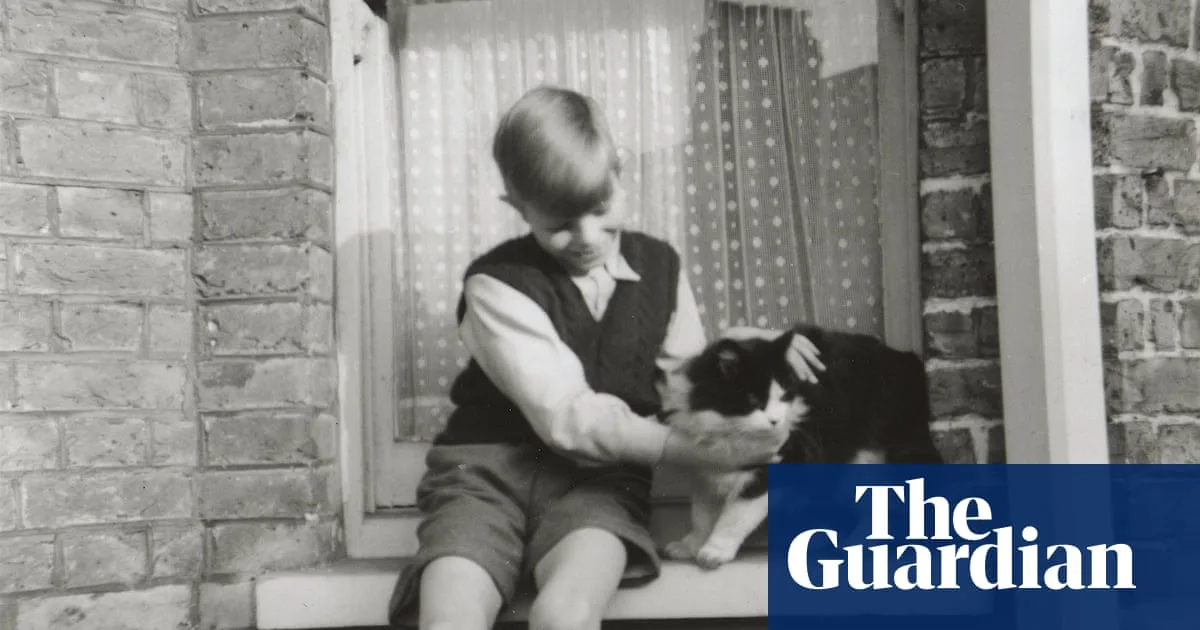
David Bowie's childhood home in Bromley, south London, is set to open to the public for the first time in late 2027, following a restoration project led by the Heritage of London Trust. The trust has acquired the two-up, two-down house at 4 Plaistow Grove, where Bowie lived from 1955 to 1968.
The house will feature an immersive experience in Bowie's teenage bedroom, which he once described as his "entire world." Visitors will see never-before-displayed archival items, including Bowie's copies of the Observer's books on music and architecture, with his exam results and a signature as "David Jones Jr" reflecting his love of Americana. A photograph of Little Richard, cut out by Bowie aged 10 or 11 and kept throughout his life, will be restored to its original spot on the wall.
Geoffrey Marsh, co-curator of the V&A's David Bowie Is exhibition, will curate the restoration. The project aims to restore the house to its appearance around 1963, when Bowie was 16. Conservation architects Julian Harrap, known for work on Sir John Soane's Museum, will lead the restoration, with investigations into original wallpaper and paint colours beneath modern decorations.

The house will also host creative workshops for young people, inspired by Bowie's Arts Lab movement. Marsh said: "It's not just a memorial; it's a platform for the future, showing young people the drivers that helped David succeed." Funding includes a £500,000 grant from the Jones Day Foundation, with a public fundraising campaign starting this month. A public consultation and planning applications will follow.