Can Bluey the Cartoon Puppy Rescue Classical Music from Irrelevance?
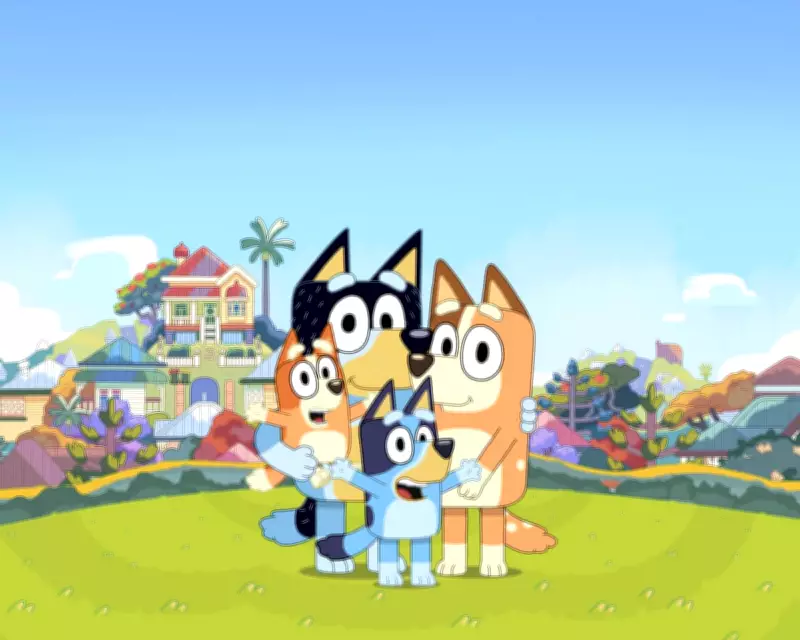
Classical music's struggle for contemporary relevance often hits new lows, with tired format experiments and attention-grabbing gimmicks. Yet, a surprising and joyful solution might be staring back at us with irresistibly big, animated eyes. That solution comes in the form of a blue heeler puppy from Australia.
The Phenomenal Reach of Bluey's Musical World
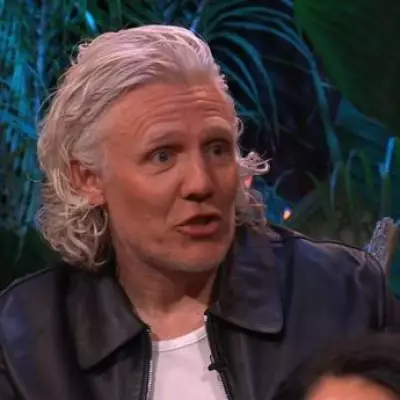
Bluey, the Australian cartoon adored by children and adults alike, has achieved staggering numbers. It was the most streamed show in the United States last year, accumulating over 45 billion minutes of viewership. Globally, the albums and soundtracks have surpassed a billion streams and continue to climb. At the heart of this success is composer Joff Bush, who has crafted the music for all 154 episodes to date.
Bush's "Bluey music" is celebrated as one of the most generous and all-encompassing concepts in modern music. He draws from a vast array of genres, including synth-pop, heavy metal, and classical, to dramatize the adventures of Bluey, Bingo, and their family. Crucially, the music avoids cheap stereotypes, instead using each genre thoughtfully to enhance the storytelling.

Classical Music Integrated with Purpose and Joy
This approach is particularly evident in Bush's use of classical tunes. For instance, Holst's Jupiter from The Planets accompanies the Sleepytime episode, underscoring Bingo's cosmic journey to sleep with emotional depth. Similarly, Mozart's Rondo alla Turca features in the very first episode, Magic Xylophone, signaling the show's intent to introduce classical music to billions worldwide.
What makes Bush's work so brilliant, especially on the new album Up Here, is that he doesn't treat classical music like a hidden vegetable in a child's meal. Instead, he selects the right tunes for each dramatic moment, recomposing and rearranging them to fit Bluey's narrative. There's no moment where classical music is used to mock elitism or demand fake reverence, a stark contrast to older cartoons like Bugs Bunny or Tom and Jerry, which often parodied classical clichés.
A Modern Guide to the Orchestra
The new Bluey album opens with a three-and-a-half-minute orchestral tone-poem on the show's theme, effectively serving as a Young Person's Guide to the Orchestra for 2026. Starting with a nod to Stravinsky's The Rite of Spring, it introduces various orchestral sections through clever musical associations, quoting pieces like Mozart's Eine Kleine Nachtmusik, Vivaldi's Spring, and Bach's Fifth Brandenburg Concerto. The result is not just clever but utterly joyful, culminating in a full ensemble playing the Bluey theme.
In essence, if we keep children and families engaged with Bluey, they will playfully and profoundly encounter more classical tunes than perhaps any previous generation, offering a hopeful path for the genre's future.
Wigmore Hall Embraces Accessibility
In related classical news, London's esteemed Wigmore Hall has announced a significant change for its 2026/27 season. Starting in September, the venue will project translations during performances of German Lieder, French chanson, and choral repertoire. While some might jest about losing the need for knowledge of 19th-century German poetry, this move is a welcome step toward greater accessibility. It ensures that songs of love, loss, and longing can be appreciated by all, regardless of language barriers.
This week, Tom Service has been immersed in Schubert's G major string quartet, D887, performed by the 12 Ensemble. Experiencing it up close highlighted the work's intense ambiguity between major and minor keys, revealing light in darkness and darkness in light, a testament to music's endless possibilities.