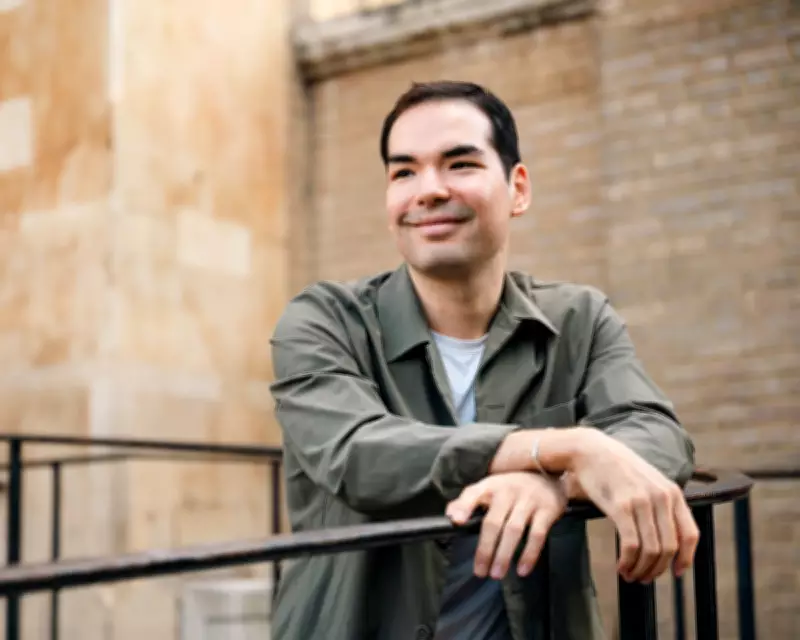
Alim Beisembayev's Cardiff Recital: A Masterful Journey Through Romanticism
The Royal Welsh College of Music and Drama in Cardiff recently hosted a remarkable piano recital by Alim Beisembayev, the Kazakh-born winner of the prestigious 2021 Leeds International Piano Competition. This performance artfully traced the passionate evolution of Romantic music across three decades, from the 1820s to 1853, through works by Schubert, Chopin, and Liszt. Beisembayev's programme demonstrated not only his technical prowess but also a mature, insightful interpretation that captivated the audience.
Schubert's Moments Musicaux: Calm and Evocative Beginnings
Beisembayev opened with Schubert's Moments Musicaux, D780, adopting a calm and understated approach. This deliberate choice highlighted the stark contrast with the more dramatic Liszt pieces to follow. Leveraging the excellent acoustics of the Dora Stoutzker Hall, he created an intimate atmosphere where Schubert's subtle shifts between major and minor modes were quietly evocative. The two Moments in F minor—No. 3, which blends sadness with insouciance, and No. 5, with its more dramatic outbursts—effectively foreshadowed the key of Chopin's Fantaisie, Op. 49, adding a layer of coherence to the first half of the programme.
Chopin's Fantaisie: Melancholy and Conviction
In Chopin's Fantaisie, Beisembayev showcased a strong affinity for the composer, skillfully shaping the long, arching melodies and capturing their inherent melancholy. His careful placement of chromatic harmonies and glistening, mercurial passagework revealed a deep understanding of Chopin's style. Despite a composed and contained keyboard manner—tempered only by the subtle bling of a lapel brooch—he delivered volleys of notes with fierce conviction. This performance vividly brought to life Schumann's famous description of Chopin's works as "cannon buried in flowers", balancing delicacy with powerful emotional force.

Liszt's Sonata in B Minor: Diabolical Power and Precision
The recital's second half centred on Liszt's Sonata in B minor, with the key of F minor from earlier pieces introducing the interval of a diminished fifth, historically known as the Diabolus in Musica. Beisembayev masterfully conveyed the sonata's diabolical elements, from the clouded mystery of the hushed opening to the percussive force of its answering phrases. The virtuosic episodes were delivered with general bombardment-like intensity, yet it was his precise management of transitions—from apocalyptic maelstroms to serene melodic spinning, with moments of silence held in the air—that truly stood out. This demonstrated that the technical assurance he displayed at age 23 when winning the Leeds competition is now complemented by far deeper interpretative insights.
Encore and Overall Impact
Beisembayev's encore, a piece by Debussy, gracefully tipped the programme into the 20th century, offering liquid balm that was beautifully delivered. This final touch underscored his versatility and artistic sensitivity. Throughout the evening, his performance affirmed his status as a pianist of exceptional talent, blending intimacy with conviction in a programme that celebrated the rich legacy of Romanticism. The recital not only highlighted his growth since the Leeds victory but also left a lasting impression on Cardiff's classical music scene.